


Pahalgam Attack Sparks Global Scrutiny
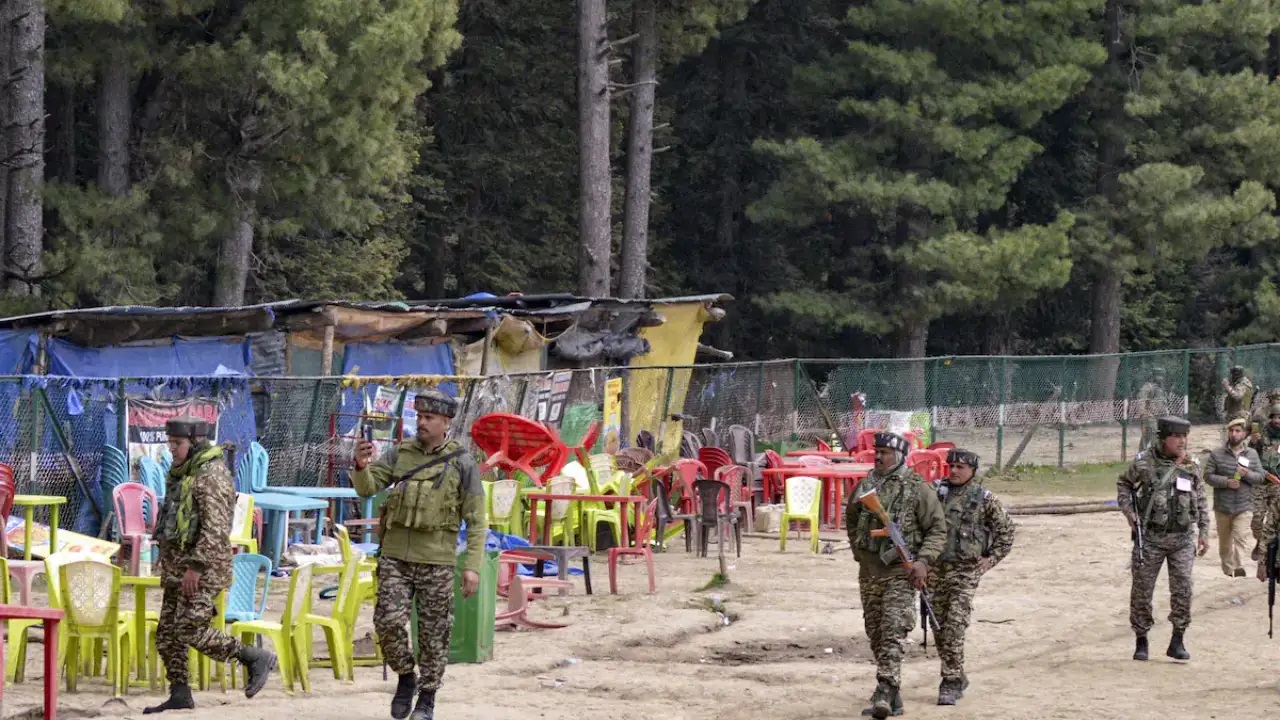
On April 22, 2024, the tranquil tourist town of Pahalgam in Jammu and Kashmir was shattered by a brutal terror attack that claimed 26 civilian lives. The strike, which targeted a crowded public area, was swiftly claimed by The Resistance Front (TRF), a group widely regarded as a front for the Pakistan-based Lashkar-e-Taiba (LeT).
In the weeks that followed, India launched ‘Operation Sindoor’, a targeted military response against terror infrastructure in Pakistan and Pakistan-occupied Kashmir. While the immediate focus remained on neutralizing threats, India also mounted a strategic diplomatic campaign to expose TRF’s international links and build global consensus against Pakistan’s use of terror proxies.
Now, in a significant development, a United Nations Security Council (UNSC) monitoring report has officially flagged TRF’s involvement in the Pahalgam attack, marking a major stride in India’s efforts to hold the group accountable under international law.
UNSC Monitoring Report Validates India’s Stand
In its 36th report, the Analytical Support and Sanctions Monitoring Team—tasked with tracking terrorist entities tied to ISIL, Al-Qaeda, and associated groups—explicitly cited the Pahalgam attack and confirmed that TRF had twice claimed responsibility and published photographs of the attack site.
“The attack was claimed that same day by The Resistance Front (TRF), who in parallel published a photograph of the attack site… The claim was repeated the following day,” the report stated.
Although TRF retracted its claim on April 26 and went silent thereafter, the report underlined the high probability of TRF-LeT coordination, citing member states that stressed the attack could not have occurred without support from Lashkar-e-Taiba.
The monitoring team placed this assessment at the very top of the South Asia section, giving it prominence in the global counterterrorism narrative.
Diplomatic Tensions: Pakistan’s Denial vs Global Recognition
India has long maintained that TRF is simply a masked extension of LeT, part of Pakistan’s broader strategy of using secular-sounding names like “The Resistance Front” to deflect attention from the jihadist origins of these groups. This method, known as plausible deniability, has allowed Pakistan to propagate proxy warfare in Kashmir under the guise of indigenous resistance.
While the United States recently designated TRF as a Foreign Terrorist Organization, efforts to get TRF sanctioned at the UNSC have been repeatedly blocked by China, Pakistan’s close ally. This obstruction extended to the UNSC press statement released after the Pahalgam attack, where a direct reference to TRF was removed following Pakistani pressure.
Yet, with this monitoring report—adopted by consensus by the 1267 Sanctions Committee—India has succeeded in getting TRF officially linked to the Pahalgam attack in a globally respected document, overriding Pakistan’s efforts to bury the connection.
Operation Sindoor and India’s Global Anti-Terror Campaign
In retaliation for the Pahalgam attack, India launched Operation Sindoor, a precision military operation aimed at destroying cross-border terror launch pads and infrastructure. But the government was equally focused on the diplomatic front.
A multi-party parliamentary delegation was dispatched to engage with global stakeholders—at the UN, in Washington, and with European allies—to expose Pakistan’s terror machinery and seek coordinated global sanctions against TRF and its handlers.
External Affairs Minister S. Jaishankar, during sessions in Parliament, stated:
“Our campaign is not just about one group. It’s about a larger global understanding of the terror networks emanating from Pakistan and the duplicity of its denials.”
India also briefed the UNSC twice in 2023, warning of TRF’s deepening ties with LeT and its growing operational sophistication. The latest report is now seen as vindication of India’s consistent warnings.
Global Implications: Shifting the Counterterrorism Lens
The inclusion of TRF in the UNSC monitoring report has wider implications. This marks the first time since 2019 that Pakistan-based groups have been named in such reports. It also signals a growing global fatigue with Pakistan’s narrative of denial.
By securing this mention, India has effectively pierced through the diplomatic shield that often protects Pakistan-based terror proxies. The move strengthens India’s case for formal sanctions on TRF, and potentially paves the way for greater financial and operational restrictions on the group and its backers.
More importantly, it reshapes the international lens—from viewing attacks in Kashmir as isolated or localised incidents to recognising them as part of a structured cross-border terror strategy.
A Diplomatic Victory, But Vigilance Ahead
The UNSC Monitoring Team’s acknowledgment of TRF’s role in the Pahalgam attack is more than a symbolic win—it is a concrete step toward international accountability. For India, it validates months of patient diplomacy, multi-party coordination, and steadfast commitment to global engagement on terrorism.
However, the road ahead is complex. With China continuing to block full sanctions and Pakistan refining its tactics of plausible deniability, India must maintain pressure, continue its global outreach, and remain vigilant on the ground.
As terrorism continues to adapt in name and method, transparency, truth, and international unity remain the most effective weapons. The world may have taken a step closer to understanding the truth about TRF, but ensuring accountability will require relentless diplomatic and strategic resolve.
(With agency inputs)