The Return of Tariff Terror
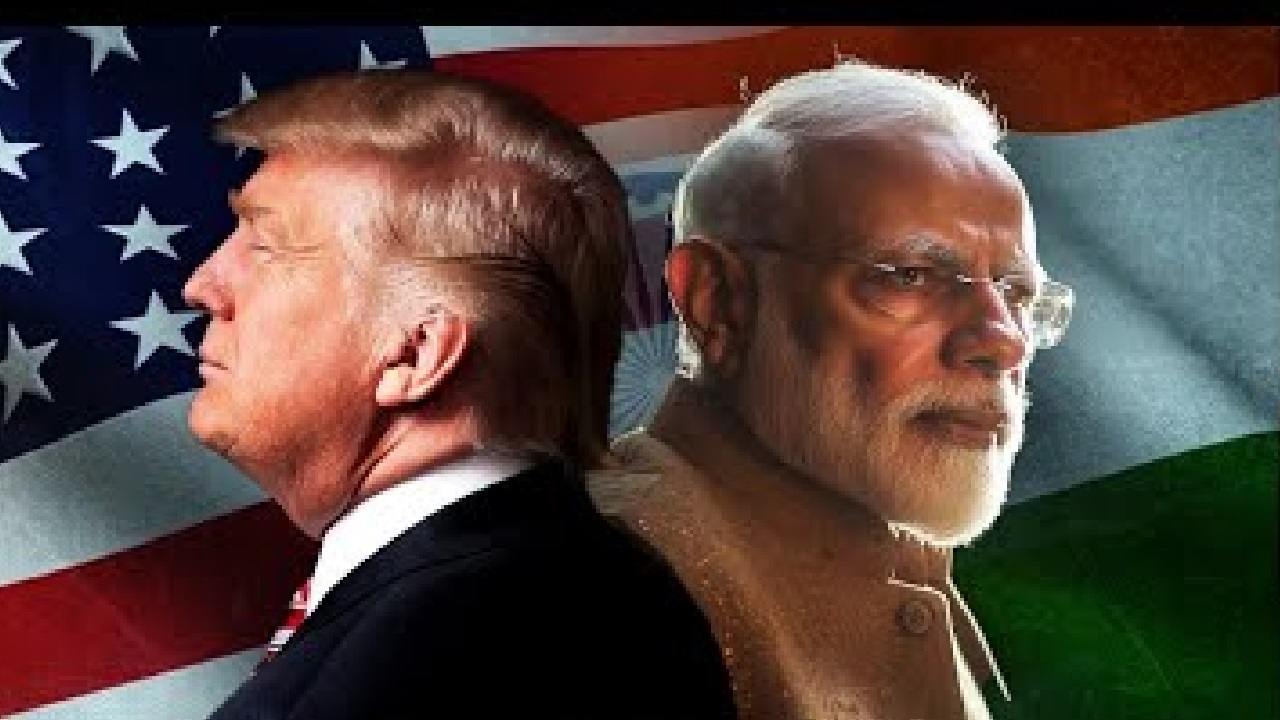
Since reclaiming the Oval Office for a second term, President Donald Trump has reignited his controversial economic strategy — aggressive tariff expansion. Echoing his first term’s protectionist policies, Trump’s latest executive order has escalated the global trade war, targeting 69 countries with steep import duties as high as 50%. Framed as a move to protect American industry and national security, this sweeping action comes just days before a major trade deal deadline, jolting international markets and unsettling allies.
India, branded a “friend” by Trump, finds itself among the hardest hit — facing a 25% import tariff. Yet, New Delhi remains publicly composed, downplaying the fallout. But behind closed doors, concerns linger over long-term strategic consequences and how India’s economic diplomacy will be tested.
Global Overview: Tariffs Unleashed
Trump’s executive order outlines tariff increases ranging from 10% to 41%, effective within seven days. Among the most severely affected are:
· Syria: 41%
· Laos & Myanmar: 40%
· Switzerland: 39%
· Canada: 35%
· Brazil: 50%
· India: 25%
· Taiwan: 20%
In contrast, Pakistan received an unexpected tariff cut — from 29% to 19% — signaling Washington’s shifting geopolitical calculus.
The order attributes the hikes to “unfair trade practices,” lack of alignment with U.S. national security interests, and unsatisfactory negotiations. A clear message: comply with U.S. priorities or pay the price.
Syria, Laos, Myanmar: Targeted for Isolation
At the top of Trump’s tariff blacklist is Syria, burdened with a 41% import tax — a surprising move considering that bilateral trade between the two nations is negligible. U.S. imports from Syria totalled just $11 million last year, mostly agricultural products and cultural artifacts.
Laos and Myanmar, both hit with 40% duties, were cited for “non-tariff barriers” and opaque trade practices. Trump’s letter to the Lao government accused them of damaging American jobs, adding that the penalty was “non-negotiable.” These symbolic gestures seem less about economics and more about projecting a tough-on-trade stance.
India: A ‘Friend’ Under Fire
Despite being a strategic partner and democratic ally, India has been slapped with a 25% tariff, a slight drop from the earlier floated rate of 26%. The move comes amid lingering tensions between Washington and New Delhi over slow-moving trade negotiations and India’s continued purchase of Russian oil.
U.S. Treasury Secretary Scott Bessent expressed frustration at India’s negotiation tactics, characterizing them as “deliberately sluggish.” Secretary of State Marco Rubio, meanwhile, criticized India’s energy ties with Moscow, suggesting they indirectly support Russia’s military actions in Ukraine.
Rubio softened the rhetoric by acknowledging India’s broader strategic value: “Like anything in foreign policy, you’re not going to align 100% of the time.”
India’s Ministry of External Affairs responded with guarded confidence, stating that “India is well-positioned to absorb external shocks” and that the country’s diversified trade portfolio and growing domestic market would “mitigate any substantial impact.” Economists in India echoed this, but also noted the risks to sectors like pharmaceuticals, IT services, and textiles — all of which depend significantly on U.S. exports.
Meanwhile, the comparison with Pakistan is striking. While India’s tariff rate remains elevated, Pakistan’s was slashed by 10 percentage points. Observers see this as Washington’s subtle attempt to rebalance regional dynamics — especially as New Delhi increases its defense and energy partnerships with non-Western powers.
Canada: Trade Tensions and Political Friction
Perhaps the most politically charged increase is Canada’s. The new 35% tariff, taking effect August 1, was announced separately and framed around Canada’s alleged lack of cooperation in curbing fentanyl and other illicit drug inflows.
But critics argue that the punitive move has more to do with Ottawa’s recent decision to recognize Palestinian statehood, a stance that sparked Trump’s ire. On his social platform Truth Social, Trump exclaimed: “Wow! Canada has just announced that it is backing statehood for Palestine. That will make it very hard for us to make a trade deal with them.”
Canada’s Chamber of Commerce condemned the move, calling the rationale “fact-less” and accusing the White House of using trade as a political bludgeon. President and CEO Candace Laing said businesses across North America are now caught in the crossfire of an unpredictable tariff regime.
Geopolitical Undercurrents: Tariffs as Diplomacy
Trump’s tariff policy is no longer just about trade — it’s a geopolitical tool. Countries are being rewarded or punished based on their alignment with U.S. priorities, from drug enforcement to foreign policy positions. The sharp drop in Pakistan’s tariff and the spike for India and Canada make clear that this is not strictly economic.
The message to the world is simple: conform to Washington’s expectations or prepare for economic consequences.
India’s Path Forward: Strategic Patience or Assertive Retaliation?
India’s initial response is measured, but the implications are far-reaching. While officials insist the country’s export resilience and strong domestic consumption will cushion the blow, several industries remain vulnerable. The pharmaceutical sector, for instance, relies heavily on U.S. markets. Similarly, software services firms could face higher costs and reduced competitiveness under the new tariff regime.
However, India also holds significant leverage. As one of the world’s fastest-growing economies, it is a critical market for American goods and services. New Delhi may opt for a calibrated approach — pursuing quiet diplomacy, strengthening ties with Europe and ASEAN, and investing in domestic production.
A tit-for-tat strategy seems unlikely in the immediate term, especially with India hosting several major diplomatic summits in the coming months. But if the tariffs are not rolled back or mitigated through bilateral talks, retaliatory measures can’t be ruled out.
Uncertainty Ahead
Trump’s tariff spree has once again destabilized global trade. While the White House insists this is about fairness and security, the reality is that these moves are deeply intertwined with domestic politics and international posturing.
India, while appearing composed, must navigate this new terrain carefully — balancing national interests with global expectations. The months ahead will test not just its economic adaptability, but also its diplomatic finesse in an era where trade is wielded as a weapon.
(With agency inputs)