Trade Turbulence Amid Tariff Threats
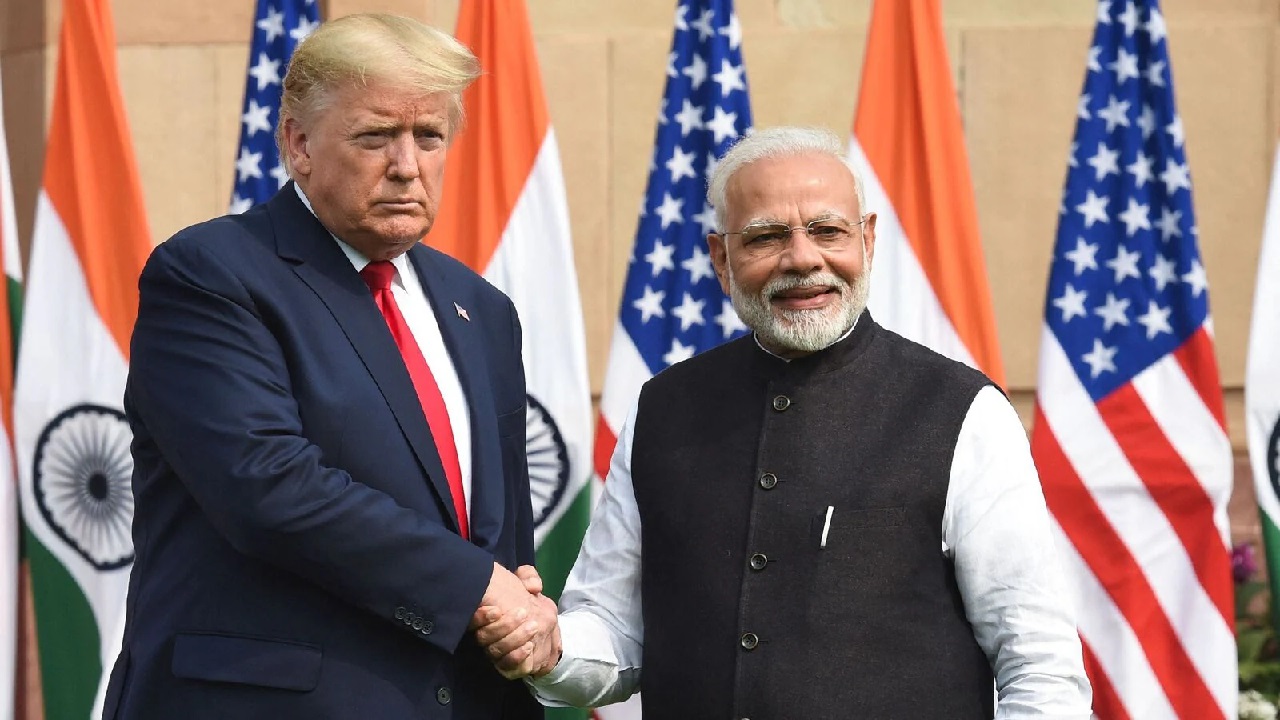
The anticipated India–U.S. trade agreement, long seen as a potential cornerstone for strategic cooperation, has collapsed—leaving behind a trail of miscommunication, missed opportunities, and mounting tensions. Despite completing five rounds of intense negotiations, a deal expected to be announced by U.S. President Donald Trump never materialized, and instead, India was blindsided by a 25% tariff and fresh threats tied to its Russian oil imports.
While New Delhi offered extensive concessions and held out hope for a balanced outcome, Washington shifted focus—finalizing trade pacts with Japan, the EU, South Korea, and even extending better terms to Pakistan. Now, as tariffs kick in and the political fallout deepens, both nations are left to reckon with how and why one of the most promising trade deals fell through.
Expectations Soared – Then Sank
Indian negotiators had grown increasingly confident through mid-2025. Following visits by Trade Minister Piyush Goyal to Washington and U.S. Vice President J.D. Vance’s trip to Delhi, Indian officials believed the groundwork for a breakthrough was laid.
New Delhi was prepared to:
· Eliminate tariffs on industrial goods (covering nearly 40% of U.S. exports to India)
· Ease restrictions on American automobiles and alcohol, using a quota-based approach
· Scale up energy and defense imports from the U.S.
Despite domestic sensitivities, India also expressed willingness to discuss gradual access to its agricultural and dairy sectors—long-standing sticking points in bilateral trade. Yet, as one Indian official put it, “Most critical differences had been ironed out after the fifth round in Washington. We assumed the U.S. would compromise on farm products, just like it had with others.”
But the assumption was flawed.
Trump Wanted More—and Quickly
Although technical progress was significant, U.S. officials saw the deal as incomplete and politically uninspiring. “We made progress in many areas,” said a White House insider. “But there was never a moment where we felt confident enough to call it a deal.”
President Trump’s priorities had shifted. He wanted a publicly impressive package—one that promised major market access, heavy investments, and splashy announcements ahead of the U.S. elections. India’s comparatively measured concessions didn’t deliver the optics he sought.
Meanwhile, South Korea and the EU secured favorable 15% tariff caps by offering larger energy purchases, greater market access, and massive investment commitments. India’s reluctance to offer similar terms created friction.
According to U.S. sources, Trump viewed India’s agricultural protections as non-negotiable roadblocks, and without Modi’s personal involvement, Washington saw no flexibility coming.
India’s Overconfidence and the Reality Check
The Modi government, encouraged by earlier praise from Trump and promises of a “big” deal, assumed a Favorable outcome was inevitable. One Indian negotiator said, “We believed our market size of 1.4 billion and our rapid economic growth gave us strong leverage.”
India even pushed for relief from:
· The 10% average tariff imposed by the U.S. in April
· Existing duties on steel, aluminum, and autos
However, after watching Trump sign more robust trade deals with allies in Asia and Europe, New Delhi revised its expectations—hoping it could settle for a 15% tariff cap without further concessions. But that, too, was rejected by Washington.
The Missing Link: Modi-Trump Communication
While both sides made technical progress, one critical ingredient was missing—direct communication between the leaders. Former U.S. trade envoy Mark Linscott observed, “A personal call between Modi and Trump could have sealed the deal.”
White House officials disagreed, insisting other agreements were finalized without such top-level involvement. But Indian officials claimed Modi was wary of a direct call, fearing a one-sided conversation and possibly controversial demands, especially with Trump’s recent statements on mediating the Kashmir issue with Pakistan.
Those remarks deeply offended Indian policymakers and reduced the political appetite for high-level outreach, further derailing momentum.
Diplomatic Disconnect and Strategic Missteps
Indian insiders now admit that the deal’s collapse stemmed from a combination of diplomatic misjudgement, poor timing, and an underestimation of Trump’s urgency for political wins. One senior Indian official blamed top adviser for failing to align strategy with global developments, especially after the U.S. struck pacts with Vietnam, Indonesia, and Japan.
“There was no fallback plan,” he said. “When Trump pivoted to other partners, we were caught unprepared.”
Trump has since escalated tensions, accusing India of “fuelling the war machine” in Ukraine through its Russian oil purchases. He warned that tariffs could rise “very substantially” within 24 hours.
A Path Forward – If Leaders Engage
Despite the breakdown, the situation isn’t beyond repair. A U.S. trade delegation is scheduled to arrive in Delhi later this month, and both sides still believe there’s room for resolution.
Indian negotiators are reviewing possible compromises in agriculture and dairy, while also considering a gradual reduction in Russian oil imports—if U.S. suppliers can match prices. According to U.S. officials, direct involvement from Modi and Trump remains the most viable path to success.
A Deal Derailed by Assumptions
The unraveling of the India-U.S. trade deal is a cautionary tale in diplomatic overconfidence, political misalignment, and missed personal engagement. What should have been a historic agreement between two global powers devolved into silence, with both parties misjudging the other’s urgency and intent.
Now, with tariffs biting and trust fraying, one must ask: Can great-power diplomacy be left to assumptions and press statements? Or does a deal of this scale demand real leadership—and real conversations?
(With agency inputs)