A Long and Bloody Standoff: Background of the Gaza Conflict
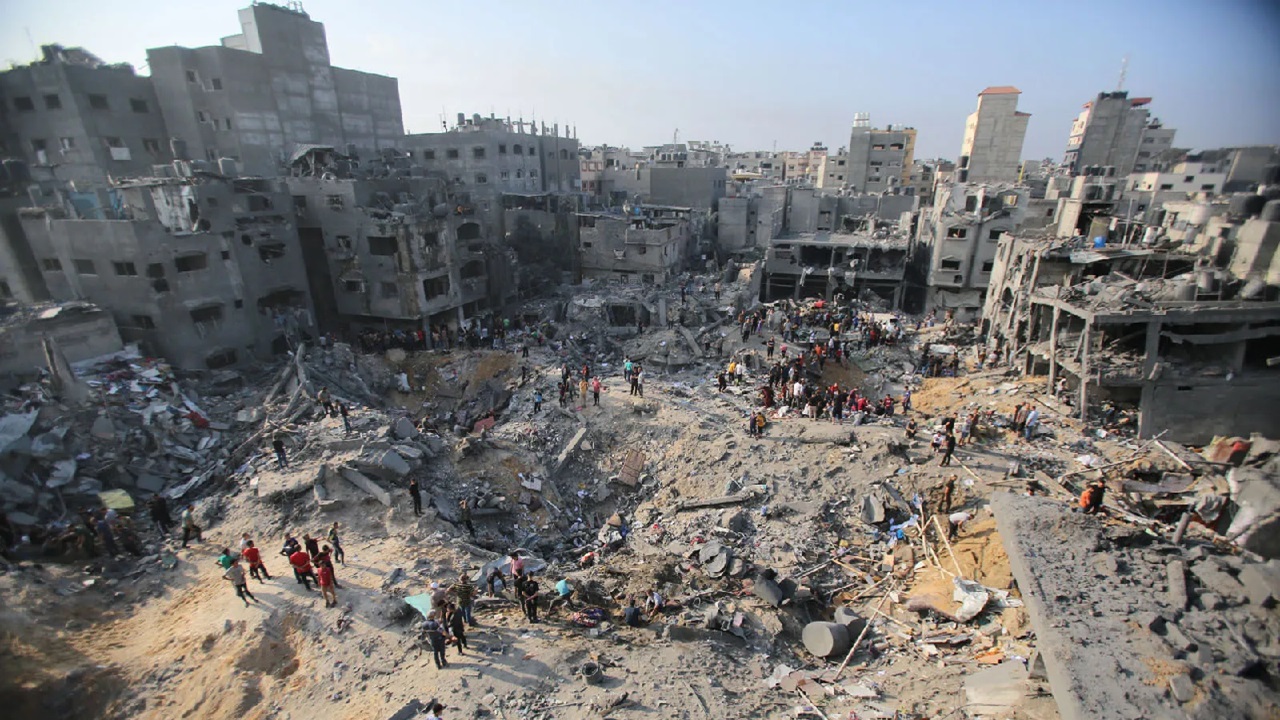
The ongoing confrontation between Israel and Hamas traces back to decades of hostility, exacerbated by political rifts, security threats, and territorial disputes. The most recent chapter of the conflict ignited in October 2023, when Hamas launched a surprise attack on Israel, triggering a devastating military campaign that has dragged on for nearly two years. Thousands of lives have been lost, infrastructure across Gaza lies in ruins, and the humanitarian crisis continues to spiral.
Throughout this prolonged war, Israel has maintained its goal of dismantling Hamas and securing the release of Israeli hostages. However, the path toward achieving those objectives remains divisive both domestically and internationally. With pressure building, Israel’s security cabinet has now approved a new plan targeting Gaza City, the enclave’s largest urban center.
Cabinet Greenlights Gaza City Operation
In a significant escalation, Prime Minister Benjamin Netanyahu’s office confirmed that the Israeli Defense Forces (IDF) are preparing to assume military control over Gaza City, while simultaneously providing humanitarian support to civilians outside the combat zones.
Although Netanyahu recently stated that Israel aims to assert full military control over the entire Gaza Strip, the immediate focus, per Friday’s cabinet decision, is on Gaza City, located in the northern part of the territory. The proposed operation includes evacuating civilians ahead of a potential ground invasion.
Despite his hawkish rhetoric, Netanyahu emphasized in a televised interview that Israel does not intend to govern Gaza, instead seeking to establish a security buffer and eventually transfer authority to unspecified Arab nations. He did not offer further clarity on which countries might assume administrative control or under what framework.
Internal Discord Within Israeli Leadership
Not all Israeli officials are in alignment with Netanyahu’s aggressive approach. Defense Chief Eyal Zamir reportedly voiced strong objections during recent deliberations, warning against the risks of overextension. Some security officials support a phased approach—gradually seizing territory not yet under Israeli control while allowing time for civilian evacuations.
There is also concern over the political motives behind the move. Critics argue that far-right elements within Netanyahu’s coalition are pushing for deeper incursions to align with ideological agendas rather than long-term strategic goals.
Furthermore, any action approved by the security cabinet must still pass through the full cabinet, a process that may delay or alter its implementation.
Hostages and Public Sentiment: A Nation Torn
According to Israeli estimates, 50 hostages remain in Gaza, with only around 20 believed to be alive. Public opinion in Israel has increasingly tilted toward prioritizing a negotiated settlement that could ensure their safe return over continued military escalation.
Surveys suggest that a majority of Israelis now support a hostage-for-ceasefire deal, diverging from the government’s stance of seeking an unequivocal military victory.
Videos released in recent days showing frail and malnourished captives have intensified public pressure and international calls for Israel to reconsider its tactics. Simultaneously, images of starving children and deteriorating conditions in Gaza have fueled a growing global outcry over the humanitarian toll.
Hamas, Arab States, and the Battle for Post-War Governance
Hamas has dismissed Netanyahu’s announcement as an attempt to derail peace talks and abandon the remaining captives. “His plan shows a clear intent to sacrifice hostages for political gains,” said a spokesperson for the group. Hamas also warned that any foreign force imposed to govern Gaza would be treated as an occupying entity, regardless of Arab participation.
A senior Jordanian official echoed these concerns, stating that Arab nations would support only solutions endorsed by the Palestinian people and advocated for future control of Gaza to lie with legitimate Palestinian institutions.
Previously, Egypt and Arab leaders had proposed a neutral technocratic administration to manage post-war Gaza. However, the idea was rejected by both Israel and the United States earlier this year.
Global Concern and Calls for Restraint
The United Nations and international watchdogs have called the potential expansion of military operations into Gaza City “deeply alarming.” Critics fear that such a move could cause further civilian casualties, displace thousands more, and derail any remaining chance for a ceasefire.
Meanwhile, the White House has refrained from commenting directly, and President Donald Trump has remained non-committal on whether he supports a full-scale Israeli takeover of Gaza.
Netanyahu remains adamant that Hamas must be dismantled before any political transition can be considered. However, with global patience wearing thin, Israel’s window for decisive yet responsible action may be narrowing.
Toward an Exit Strategy Rooted in Realism
While Israel’s push to neutralize Hamas and secure its citizens is grounded in legitimate national security concerns, its strategy faces serious logistical, diplomatic, and moral challenges. A full military occupation risks alienating allies, inciting further regional unrest, and worsening the humanitarian crisis.
A more viable path could involve:
· Immediate ceasefire negotiations tied to phased hostage releases
· A multinational task force under the UN or Arab League to oversee interim governance
· Empowering a Palestinian-led technocratic body to lay the groundwork for stable civil administration
· Increased humanitarian corridors to address the dire needs of Gaza’s population
Israel must now decide whether it will pursue endless war or invest in a fragile but necessary peace—with the lives of its own citizens and those in Gaza hanging in the balance.
(With agency inputs)