


ISRO’s Journey from Humble Beginnings
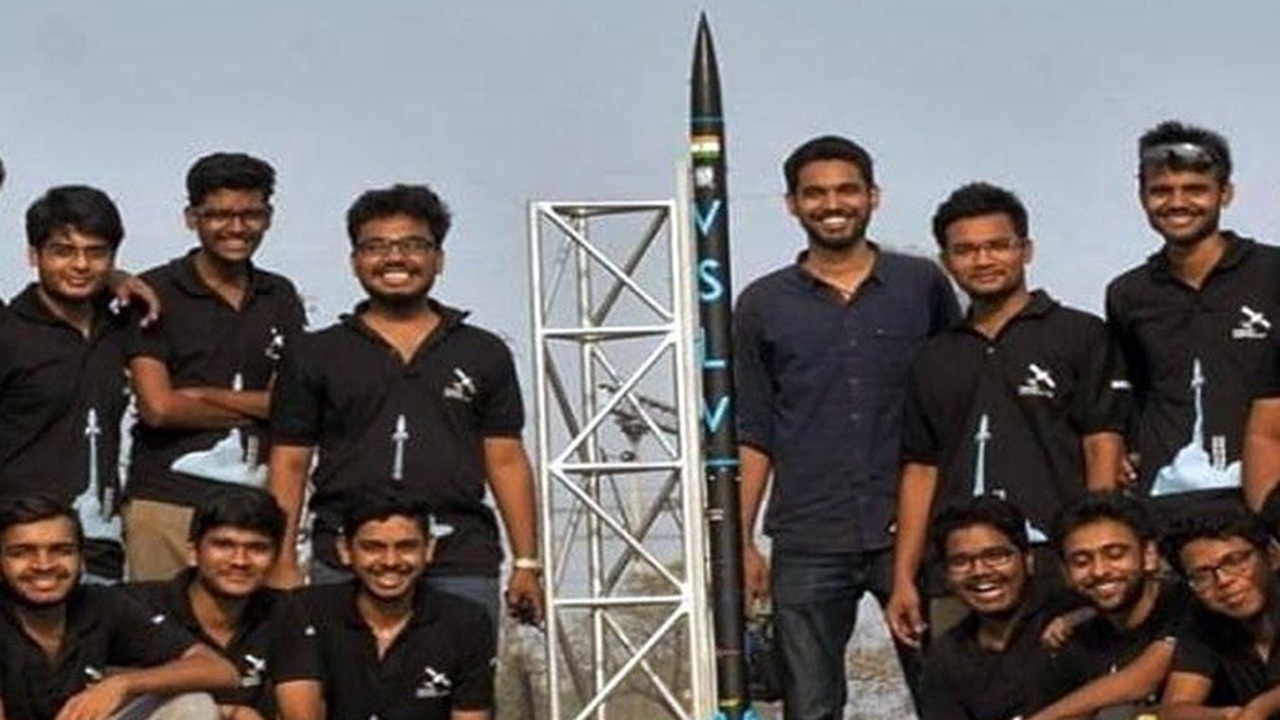
India’s space journey began in 1963 with little more than vision, determination, and a borrowed rocket from the United States. The fledgling Indian Space Research Organisation (ISRO), then years behind global leaders, carried out its first experimental launch from Thumba in Kerala on November 21 of that year. Over the decades, that modest start has transformed into a world-class space programme, placing India among the top spacefaring nations.
What began with simple atmospheric studies has evolved into a portfolio of cutting-edge missions—lunar landings, interplanetary probes, and record-setting satellite launches. Today, ISRO not only meets India’s domestic space needs but also serves as a trusted launch partner for other nations.
The Role of Communication Satellites
Communication satellites remain a cornerstone of ISRO’s services, enabling television broadcasting, internet connectivity, telecommunication networks, disaster alerts, and navigation systems. They also play a critical role in national security, weather forecasting, and agricultural monitoring. India’s steady expansion of satellite capacity has significantly improved information access and infrastructure development across the nation.
Precision Partnerships – NISAR as a Milestone
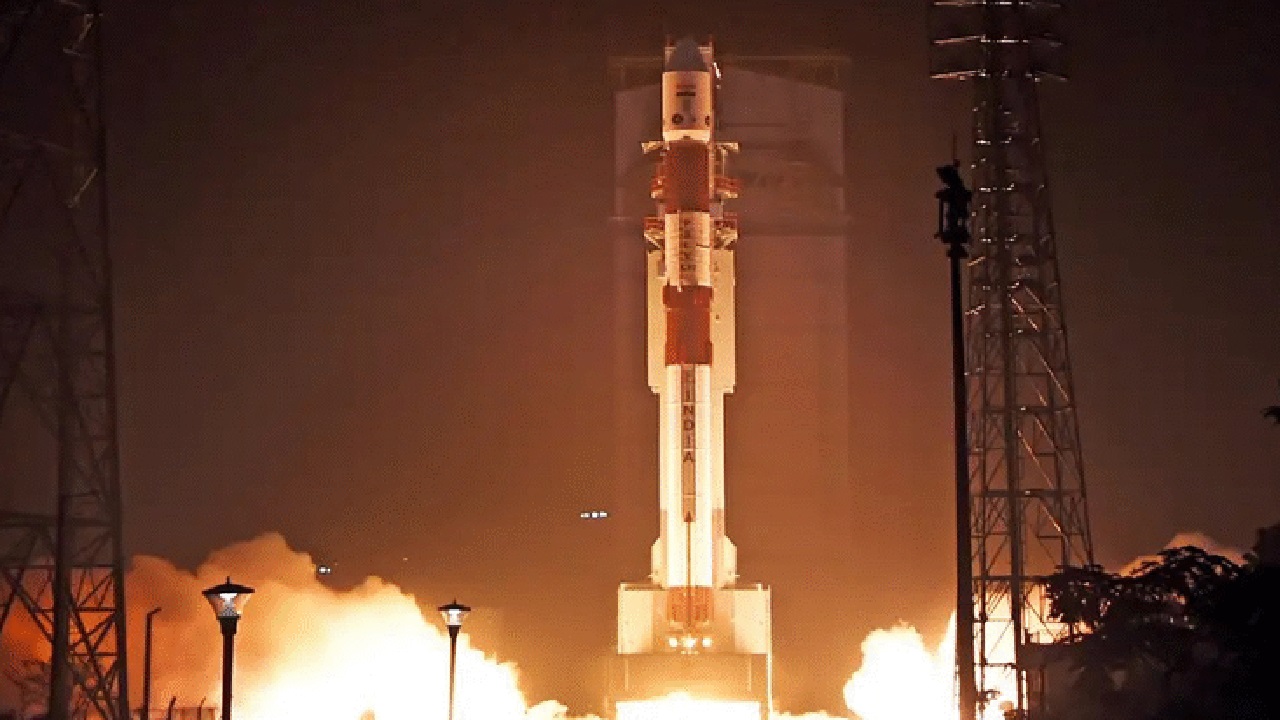
On July 30, ISRO achieved a major collaborative feat with the launch of the NASA–ISRO Synthetic Aperture Radar (NISAR) mission aboard the GSLV-F16 rocket. The mission combined the U.S.-supplied L-band radar payload with ISRO’s S-band payload, marking one of the most advanced Earth observation projects ever undertaken.
ISRO Chairman and Department of Space Secretary V. Narayanan, speaking near Chennai, called it a historic day for India’s space programme. “The satellite was placed in orbit with precision by our launcher,” he said, noting that NASA commended ISRO’s accuracy. NISAR, the costliest satellite of its kind, is set to monitor environmental changes with unmatched detail.
From Receiver to Launcher – A Symbolic Turnaround
Narayanan reflected on how far India has come since receiving that first small U.S. rocket in 1963. In 1975, ISRO used satellite data provided by the U.S. to carry out a groundbreaking “mass communication” experiment—broadcasting to 2,400 television sets in villages across six states.
“Now, in just a couple of months, the same country that once received a tiny rocket from America will launch a 6,500 kg communication satellite built by the U.S., using our own launcher, from Indian soil,” Narayanan remarked. For him, this represented not only technological progress but also a reversal of roles in global space partnerships.
A Record of Global Service
Over the years, ISRO has launched 433 satellites for 34 nations using its indigenous launch vehicles, cementing its reputation as a cost-effective and reliable partner. Highlights include the 2017 record-breaking PSLV-C37 mission, which placed 104 satellites into orbit in a single flight—surpassing Russia’s previous record of 34.
Narayanan reminded the audience that ISRO’s work spans 55 different applications, from weather prediction and navigation to ensuring food and water security. Even during “Operation Sindoor,” he noted, ISRO’s satellite capabilities contributed to national safety and security efforts.
Scientific Firsts and Lunar Feats
India’s lunar programme has delivered groundbreaking science. Chandrayaan-1 identified water molecules on the Moon’s surface, while Chandrayaan-3 achieved the world’s first soft landing near the lunar south pole—a region of high scientific interest due to potential water ice deposits.
These missions, alongside Mars Orbiter Mission and other planetary projects, have elevated India’s profile in deep space exploration.
Expanding Horizons – Future Goals
Currently, ISRO operates 56 satellites in orbit, serving diverse national needs. Narayanan outlined plans to triple this number within the next two to three years. Among the most ambitious projects ahead are:
· Gaganyaan Programme – India’s first human spaceflight mission.
· Indian Space Station – targeted for completion by 2035.
· Full Capability Parity – by 2040, ISRO aims to match the capabilities of all developed nations’ space programmes.
These goals reflect not just technological ambition, but a strategic commitment to maintaining India’s leadership in a rapidly evolving global space race.
Inspiration for the Next Generation
At the same convocation event, Maharashtra Governor C.P. Radhakrishnan conferred an honorary Doctor of Science degree on Narayanan, praising his leadership and perseverance. The governor urged graduates to embrace humility, lifelong learning, and resilience—qualities, he said, that will propel India to global economic leadership by 2047.
Alongside Narayanan, Ministry of Earth Sciences Secretary M. Ravichandran received the same honorary degree. The ceremony saw 9,769 students graduate, with 157 top-ranking achievers receiving special recognition.
From Aspirant to Achiever
ISRO’s forthcoming launch of a massive U.S.-built communication satellite using its own rocket is more than a routine commercial mission—it’s a testament to India’s transformation from a space technology importer to a full-fledged global launch provider. The journey from a gifted experimental rocket in 1963 to placing the world’s most advanced satellites into precise orbit captures six decades of scientific grit and national ambition.
As Narayanan put it, India now stands “shoulder to shoulder” with the world’s advanced spacefaring nations. With its eyes set on crewed space missions, a homegrown space station, and expanded satellite networks, ISRO’s next chapter promises to be as defining as its remarkable rise.
(With agency inputs)