Ethanol Blending: The Bigger Picture
India’s ethanol blending programme, which targets E20 fuel (20% ethanol mixed with petrol), has been positioned as a cornerstone of the country’s energy transition. Advocates highlight its promise to cut crude oil imports, lower carbon emissions, and generate fresh income opportunities for farmers growing sugarcane and maize. Globally, countries like Brazil have successfully adopted high ethanol blends, reinforcing the argument that ethanol is both technically feasible and environmentally advantageous.
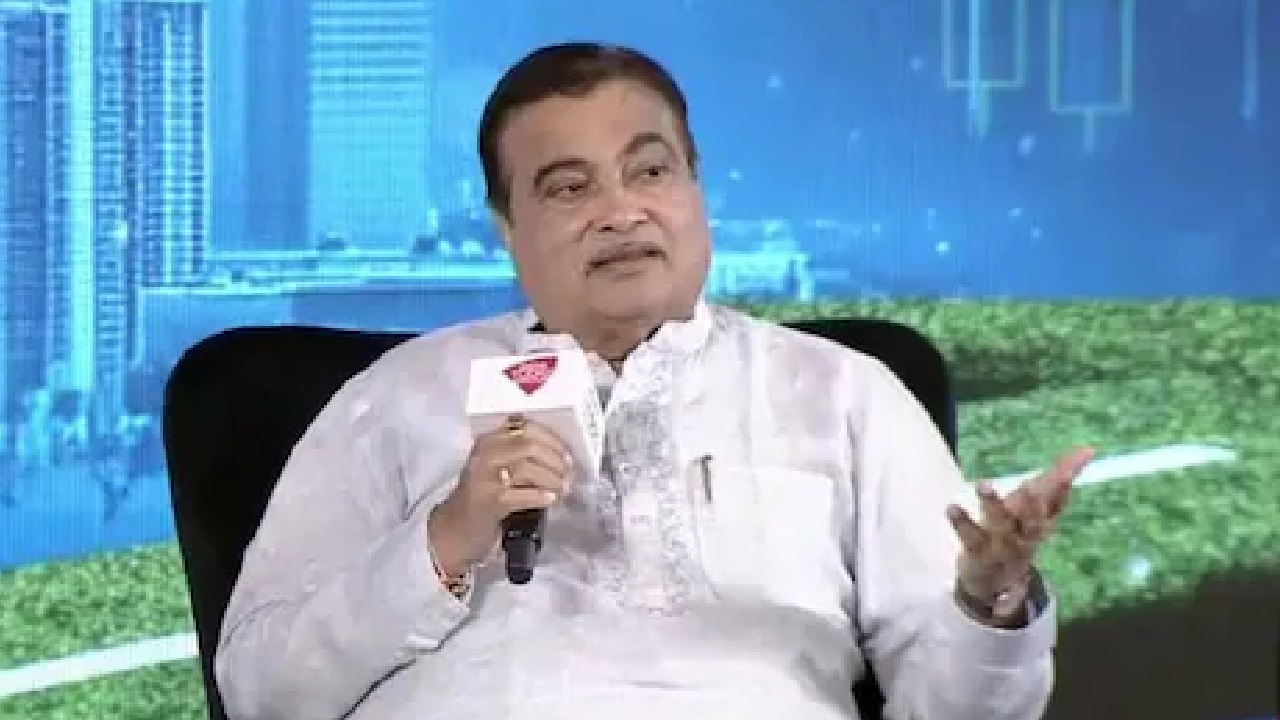
Against this backdrop, Union Minister Nitin Gadkari has been one of the most vocal champions of ethanol adoption. However, his advocacy has also triggered speculation, particularly on social media, where critics allege that the policy serves to enrich his sons’ business interests.
Family Connections in the Sector
The roots of the speculation lie in the fact that Gadkari’s sons, Sarang and Nikhil, manage enterprises that are active in ethanol production. Manas Agro Industries, under their leadership, operates in sugar milling, ethanol, and distilled spirits. Another firm, CIAN Agro, led by Nikhil Gadkari, has even pioneered collaborations to produce ethanol from carbon dioxide—an innovation that has drawn industry attention.
While these connections are real, there is no direct evidence that Gadkari tailored national policy to benefit his family. The overlap between public policy and private involvement raises questions of optics, but questions alone do not amount to proof.
Official Rationale: Environment, Economy, and Farmers
Gadkari has repeatedly defended the ethanol policy on scientific and strategic grounds. He insists E20 fuel is safe for vehicles, citing extensive testing by agencies such as SIAM (Society of Indian Automobile Manufacturers) and ARAI (Automotive Research Association of India). International precedents, such as Brazil’s 27% blending success, are frequently invoked to strengthen the case.
Economically, the minister points to multiple benefits:
· Reducing import dependence: Ethanol blending is expected to curb India’s massive crude oil bill.
· Supporting farmers: Higher demand for corn and sugarcane has already driven up farm-gate prices, especially in states like Bihar and Uttar Pradesh.
· Cleaner fuel: Ethanol is argued to be a more sustainable alternative to fossil fuels, aligning with climate commitments.
Moreover, Gadkari has openly challenged detractors to produce even one documented case of vehicle damage linked to ethanol blending, stating that none has surfaced so far.
Allegations and the Question of Conflict
Despite these arguments, social media debates continue to frame the ethanol programme as a conflict of interest, claiming that Gadkari’s family businesses stand to gain disproportionately. However, such assertions remain speculative.
· What is known: Gadkari’s family indeed operates ethanol-related businesses.
· What is claimed: Policies were allegedly designed to enrich them.
· What is missing: Verified proof, regulatory inquiries, or independent investigations establishing misconduct.
To date, no official audit or legal body has concluded that the policy was manipulated for personal benefit.
Between Speculation and Fact
The debate around Gadkari’s ethanol push illustrates the complexities of policymaking in a country where personal business links and public responsibilities often intersect. While questions about optics are fair in a democracy, the leap from business involvement to policy manipulation requires credible evidence—which is lacking in this case.
Until such evidence emerges, the allegations that Gadkari’s ethanol policy was crafted to enrich his sons’ companies remain speculative. What stands on firmer ground are the broader national goals of the ethanol programme: reducing energy imports, cutting emissions, and boosting rural incomes.
For India, the challenge is to advance its energy reforms transparently, ensuring both the perception and reality of integrity remain intact.
(With agency inputs)