PM Steps Down After Deadly Protests
Nepal is searching for a new interim leader after Prime Minister KP Sharma Oli resigned this week, following violent anti-corruption protests that left 19 people dead. The demonstrations, driven largely by the youth-led group “Gen Z Nepal,” have shaken the political establishment and forced urgent discussions on who should guide the country through a transition toward fresh elections.
On Thursday, 15 representatives of the protest movement met with Army officials to suggest potential candidates. The final decision is expected after further talks with the Army and President Ram Chandra Poudel.
Ex-Chief Justice Leads the Pack
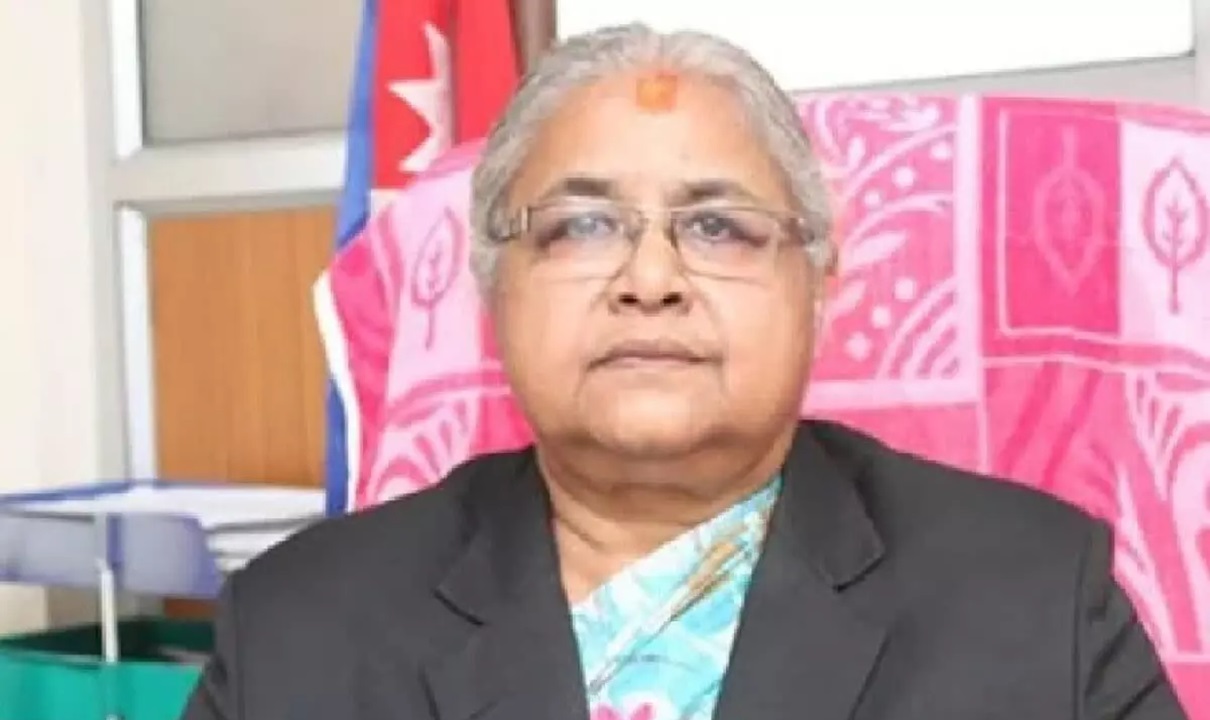
Among the names discussed, former Chief Justice Sushila Karki has emerged as the strongest contender. Widely respected for her integrity, Karki is remembered for key rulings on transitional justice and electoral disputes during her term at the Supreme Court.
Her long career began in Biratnagar in 1979 as a lawyer, later expanding into academia before her judicial appointments. In 2016, she became Nepal’s first female Chief Justice, a position she held until 2017. Despite facing an impeachment attempt during her tenure, she withstood political pressure and retained public backing.
Karki has reportedly agreed to take on the role temporarily, promising to hold free and fair elections within a year if appointed.
Constitutional Clause Threatens Her Bid
Yet Karki’s path to the premiership is far from certain. Article 132 of the Constitution prohibits any chief justice or Supreme Court judge—past or present—from holding executive office. Unless this hurdle is cleared through legal interpretation or amendment, her candidacy could be deemed unconstitutional.
This legal roadblock has opened the door for alternative names to gain traction.
Balen Shah: The Youth’s Pick
Kathmandu Mayor Balendra Shah, better known as Balen, is emerging as another leading figure. At just 35, Shah represents a generational shift in Nepal’s politics, which has long been dominated by leaders in their seventies.
A trained structural engineer and former rapper, Shah broke through as an independent in the 2022 mayoral race, defeating candidates backed by established parties. With over 800,000 Instagram followers and a popular rap track titled Balidan that criticizes corruption, he has cultivated an image as a reformer and disruptor.
Shah has voiced support for the protests, labeling Oli a “terrorist” on social media and expressing solidarity with families of victims. While many demonstrators see him as their champion, he has not yet said whether he would accept an interim premiership.
Other Names Surface
In addition to Karki and Shah, other figures have been floated, including former Speaker Onsari Gharti Magar, lawyer Om Prakash Aryal, activist Dr. Govinda KC, Brigadier General Prem Shahi, and former Chief Election Commissioner Neel Kantha Upreti. However, none carry the same level of momentum or symbolic weight as the top two contenders.
Youth Push for Change
The current crisis highlights the growing influence of Nepal’s younger generation. With more than half the nation’s 30 million citizens under 30, protesters are demanding leaders who represent their aspirations rather than entrenched party elites. Their success in forcing Oli’s resignation has underscored their political power.
A Defining Choice Ahead
Nepal’s leadership vacuum has exposed both the urgency for reform and the fragility of its political system. Karki offers legal expertise and credibility but faces a constitutional obstacle. Shah embodies youthful energy and grassroots appeal but lacks national governance experience.
The decision in the coming days will shape Nepal’s immediate stability and its long-term democratic trajectory. Whether led by an experienced jurist or a disruptive young mayor, the interim government must restore trust, ensure security, and prepare for credible elections.
(With agency inputs)