Clash Over Content Regulation
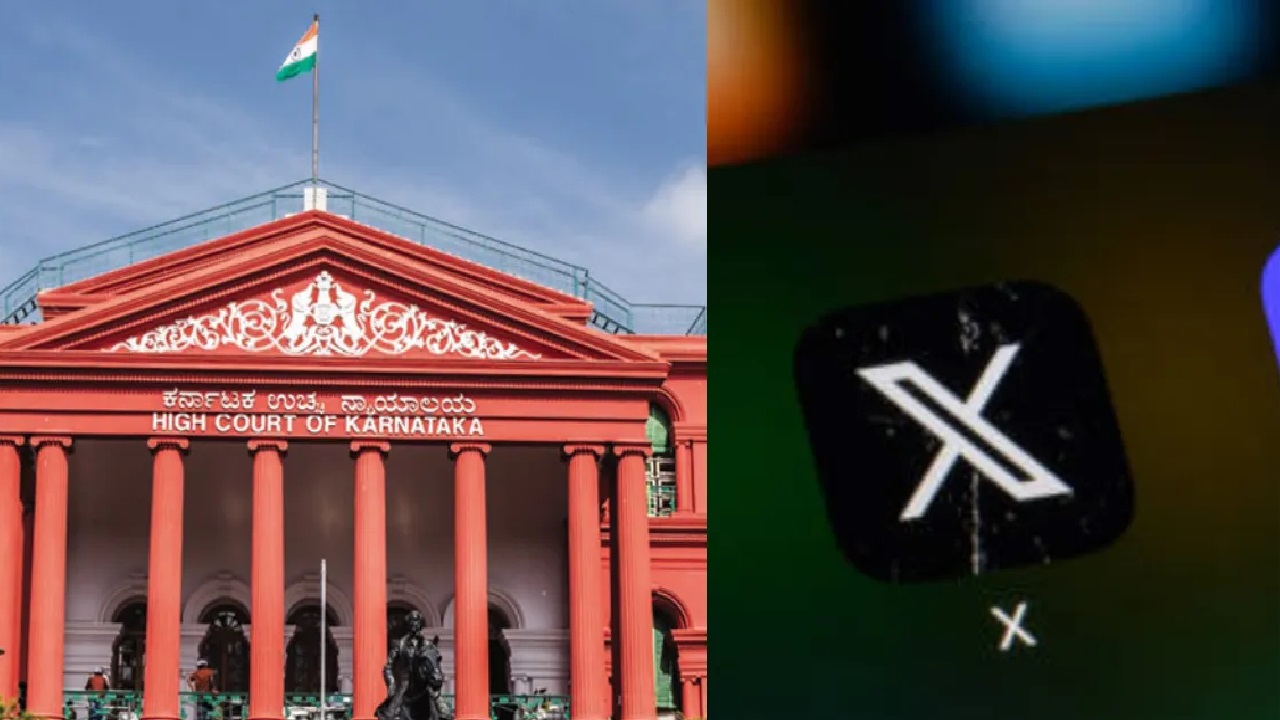
Elon Musk’s social media platform X has once again found itself in a legal battle in India, following a Karnataka High Court ruling that allowed authorities to remove online content through a government portal without judicial oversight. The court had stated that “social media companies cannot be allowed to work unregulated in India,” emphasizing that freedom online must be balanced with accountability.
The dispute centers on India’s Sahyog portal, a mechanism launched in October 2023 under Prime Minister Narendra Modi’s administration, enabling officials to issue content takedown requests directly to platforms. The government insists the system is essential to combat unlawful content proliferation and enforce accountability online.
X’s Strong Response
X responded on Monday, saying it was “deeply concerned” by the court order and plans to appeal the ruling to defend freedom of expression. The platform argued that the new framework “has no basis in law,” bypasses established judicial procedures, and contravenes prior Supreme Court rulings.
In a statement via its Global Government Affairs account, X described the system as allowing arbitrary takedowns. Officers can order content removal solely based on alleged illegality, without judicial review or due process, while platforms risk criminal liability for non-compliance.
“This new regime circumvents Section 69A of the Information Technology Act, violates Supreme Court rulings, and infringes Indian citizens’ constitutional rights to freedom of speech and expression,” X asserted.
Legal and Regulatory Context
India has intensified online regulation since 2023, expanding the authority of officials to directly request content removal from social media platforms. The government maintains that these steps are necessary to curb cybercrime, hate speech, and misinformation.
In response, the Karnataka High Court highlighted that online liberty carries responsibility. “Every platform operating in India must accept that liberty is yoked with responsibility,” the judge remarked.
While X insists it complies with Indian law, it disputes the legality of enforcement mechanisms that bypass judicial scrutiny. The company argued that, as an entity incorporated abroad, it still retains the right to raise concerns about potential violations of constitutional freedoms in India.
The Free Speech Debate
Elon Musk, who positions himself as a “free-speech absolutist,” has confronted governments in multiple countries over content regulation. India represents a particularly high-stakes environment given its status as the world’s most populous internet market.
Critics of the Sahyog portal argue that unregulated takedown powers could pave the way for censorship and discourage open debate online. For Musk and X, the case is not merely about compliance but about defending principles of digital freedom, transparency, and due process.
Implications for Tech Companies
The ruling sets a precedent that could affect all social media platforms operating in India. Compliance with the Sahyog portal is mandatory, and failure to remove flagged content can carry criminal consequences. For multinational platforms, this raises questions about balancing local laws with global free speech commitments.
X’s appeal will likely be closely watched by other tech firms, civil liberties advocates, and the international community. It underscores ongoing tensions between governments seeking tighter control over digital spaces and companies advocating for unrestricted expression.
Navigating Regulation and Rights
The Karnataka High Court order highlights the delicate balance between freedom of expression and regulatory oversight in the digital age. While India seeks to curb unlawful content efficiently, platforms like X are pushing back against processes they deem legally unfounded and potentially overreaching.
As X prepares its appeal, the case represents a broader struggle over online speech, jurisdiction, and accountability. The outcome could shape India’s social media landscape for years, influencing how global tech companies navigate one of the world’s largest and fastest-growing digital markets.
(With agency inputs)