


India’s Big Semiconductor Bet
In the digital age, semiconductors are the invisible backbone powering everything from smartphones to satellites. Recognizing their strategic importance, India launched its Semiconductor Mission in 2021 with a massive outlay of ₹76,000 crore to build capacity in chip design, fabrication, and display manufacturing. The ambition is clear: reduce dependency on imports, join global supply chains, and establish India as a major hub in this critical sector. The first “Made-in-India” chips presented to Prime Minister Narendra Modi earlier this year marked a symbolic milestone in this journey. Against this backdrop, global technology giants are eyeing India as a promising partner.
ASML’s Critique of Europe, Praise for India
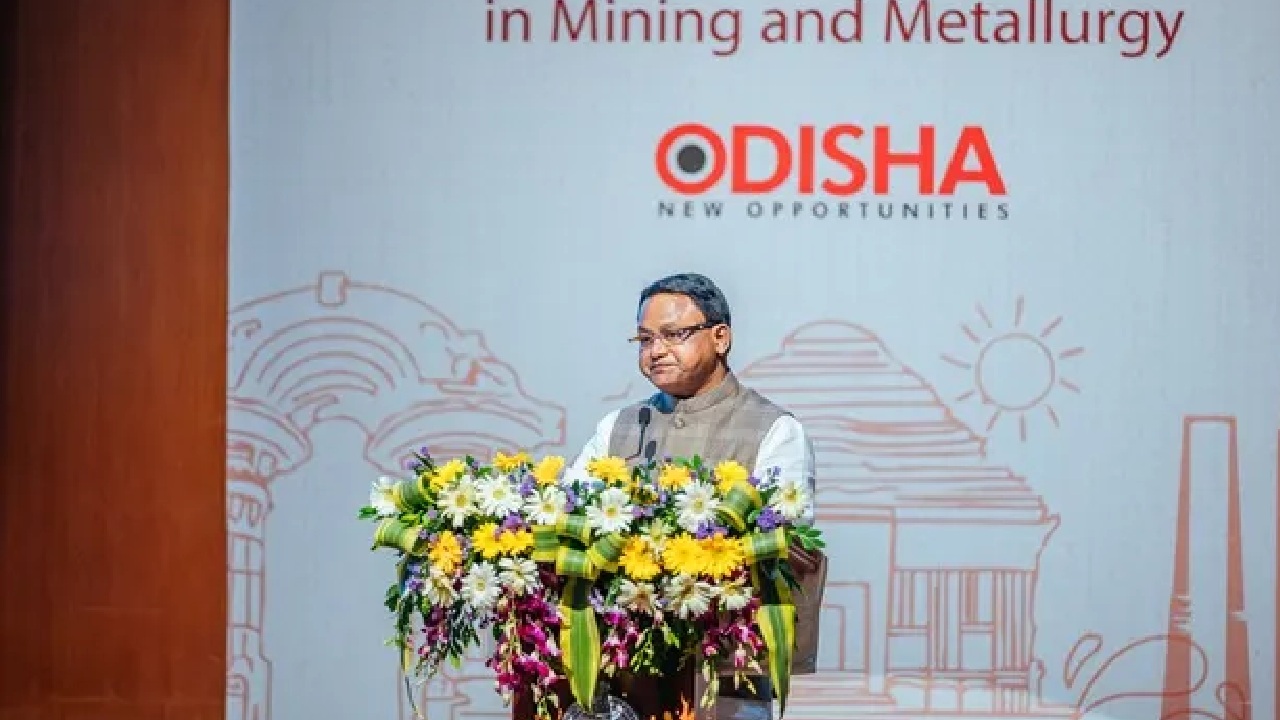
At Politico’s Competitive Europe Summit in Brussels, Frank Heemskerk, EVP of Global Public Affairs at Dutch chip leader ASML, openly criticized the European Union’s distant approach towards its own companies. He contrasted this with India’s openness, revealing that ASML’s CEO Christophe Fouquet had a two-hour meeting with PM Modi.
According to Heemskerk, Modi did not just listen politely but engaged deeply, even pressing: “Tell me what we can do better.” Such accessibility, he implied, is absent in Europe. “It’s easier to get a meeting at the White House than with an EU commissioner,” he remarked, urging European leaders to engage directly with companies fueling technological investments.
ASML’s Global Moves and European Push
Heemskerk also pointed to ASML’s recent €1.3 billion partnership with French AI start-up Mistral, seen as a step towards Europe’s ambition for technological sovereignty. The collaboration, focused on industrial AI, underlines Europe’s attempt to reclaim ground in the high-tech race dominated by the US and Asia. Yet the executive’s comments suggested that Europe risks falling behind if political leadership remains detached.
India’s Growing Appeal to Global Chipmakers
India, by contrast, is steadily becoming a magnet for international investment. US giants like Micron and AMD, Taiwan’s Foxconn, and global semiconductor design houses have announced significant commitments. Alongside them, Dutch players like ASML are engaging more closely with Indian policymakers, encouraged by the government’s proactive stance.
This surge of attention is no accident. India offers a combination of a large consumer base, skilled workforce, government incentives, and geopolitical positioning as companies look to diversify supply chains beyond China.
Lessons for Policymakers
The contrasting experiences narrated by ASML’s leadership reveal a larger truth: technology progress thrives where governments are responsive, transparent, and collaborative. India’s semiconductor push is not just about infrastructure—it is about creating an environment where global innovators feel heard and supported.
For Europe, the warning is clear. If it continues with bureaucratic detachment, it risks losing ground in the global technology race. For India, the path forward is to convert its current momentum into a durable ecosystem, ensuring that policy support translates into sustainable industry growth.
India’s chip mission is no longer just a national aspiration—it is becoming a global story of opportunity.