


When Trade Turned Personal
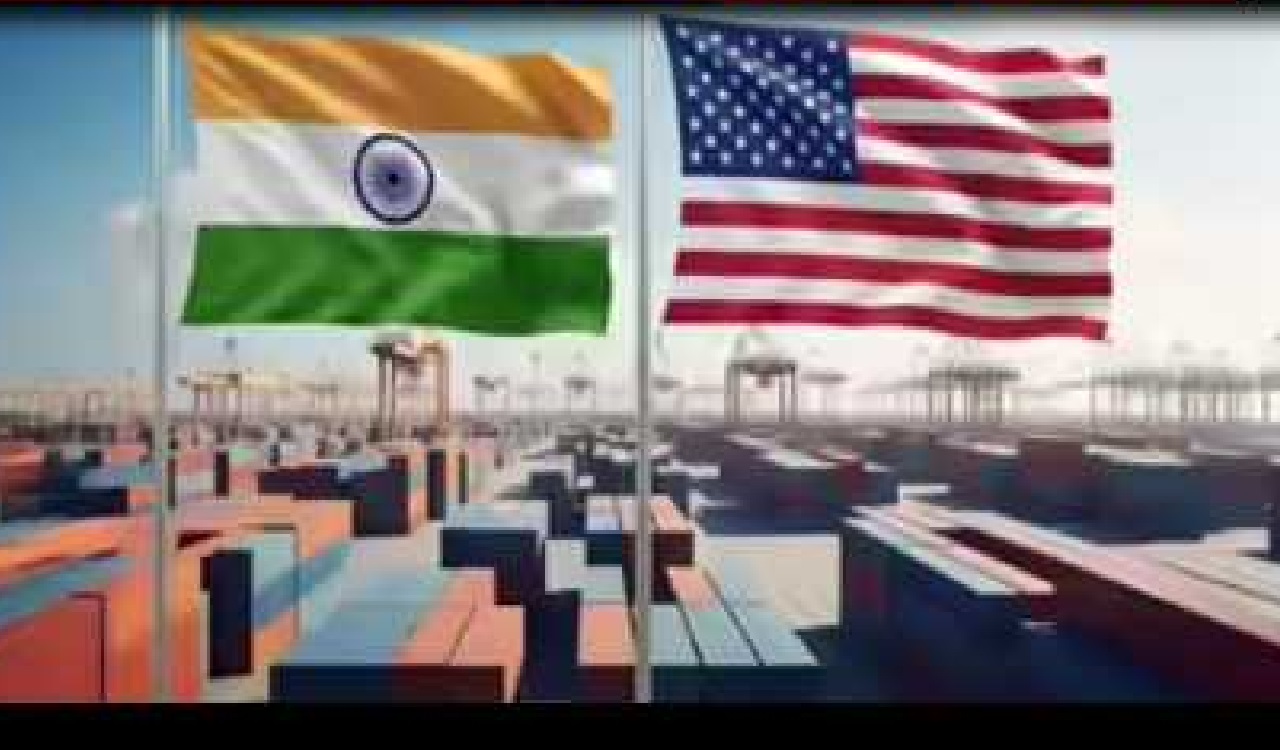
India–US trade negotiations took an unexpected turn in late 2025 when US President Donald Trump reportedly escalated pressure on New Delhi after Prime Minister Narendra Modi did not place a confirmatory phone call at a critical stage of talks. According to disclosures made in early January 2026, the absence of that leader-level outreach bruised Trump’s ego and contributed to Washington’s decision to sharply raise tariffs on Indian goods. What might have remained a routine trade disagreement instead spiraled into a politically charged standoff.
A Strategic Partnership Hits Turbulence
Bilateral trade between India and the United States, worth over $130 billion annually, has long been framed as a pillar of the broader strategic partnership. Yet the collapse of negotiations after months of discussions underscores how personality-driven diplomacy can disrupt even mature economic relationships. The tariff hikes—among the steepest imposed by the US on any major partner—have exposed India’s vulnerability to unilateral trade actions, especially at a time of geopolitical realignment and global economic uncertainty.
How the Deal Unraveled: Inside the Breakdown
Six rounds of negotiations through much of 2025 had reportedly brought both sides close to an interim trade arrangement. US officials now suggest the agreement was structured as a “priority deal,” with India positioned ahead of several Southeast Asian economies in a sequencing strategy favored by Trump. The final step, however, required political affirmation at the highest level.
When that signal did not come, Washington moved on. Subsequent trade arrangements were concluded with other Asian partners, leaving India facing harsher tariff conditions. Trump publicly tied the punitive duties not only to trade irritants but also to India’s continued purchases of discounted Russian oil—framing the issue as both economic and moral. From New Delhi’s standpoint, the narrative overlooks domestic political constraints and India’s insistence on strategic autonomy, particularly in energy sourcing.
Economic and Strategic Fallout for India
The consequences have been immediate. Export-oriented sectors such as textiles, pharmaceuticals, and gems and jewellery—many heavily dependent on the US market—are confronting margin pressure and order uncertainty. Financial markets have also factored in higher geopolitical risk, with concerns about capital outflows and currency volatility.
Strategically, the episode highlights the cost of navigating a multi-aligned foreign policy. While India’s partnerships with the US, Russia, and the Global South are not mutually exclusive, Washington’s increasingly transactional approach under Trump has reduced room for diplomatic ambiguity. The stalled trade talks now risk overshadowing cooperation in defense, technology, and supply chains.
How India Can Rebuild Momentum: Diplomatic Options
To revive negotiations, India will likely need to combine pragmatism with symbolism. First, direct leader-level engagement remains essential. A timely phone call or in-person meeting between Modi and Trump—possibly on the sidelines of a multilateral summit—could help reset the tone and signal seriousness.
Second, New Delhi can deploy senior ministers to Washington to re-engage trade principals and clarify India’s red lines. Emphasizing shared strategic interests, particularly in countering China’s economic dominance, may help reframe the discussion beyond tariffs.
Third, India could offer a calibrated concession package: limited market access in select sectors, expanded defense procurement or co-production, and a roadmap for gradually diversifying energy imports. These steps would need careful domestic messaging to avoid political backlash.
Finally, leveraging business lobbies and multilateral forums such as the WTO could apply indirect pressure by highlighting the broader costs of prolonged trade disruption.
Beyond Ego Toward Enduring Interests
The India–US trade rupture illustrates how fragile negotiations can become when institutional processes give way to personality-driven diplomacy. While ego may have accelerated the fallout, enduring economic logic still favors cooperation. Whether New Delhi and Washington can move past missed calls and tariff threats will depend on their ability to re-anchor the relationship in long-term strategic and commercial interests. The window for repair remains open—but it is narrowing fast.
(With agency inputs)