The Rise of Reliance Communications and Its Promoter
Once hailed as one of India’s most influential industrialists, Anil Ambani — younger brother to billionaire Mukesh Ambani — carved out his legacy through the Reliance Group, with Reliance Communications (RCom) at its heart. Launched as a pioneering telecom company, RCom was once among India’s leading telecom players, riding the mobile revolution of the early 2000s. Anil Ambani was at the helm, steering the company into vast markets with aggressive expansion and debt-fueled strategies. But over time, the glimmer faded, and the empire slowly crumbled.
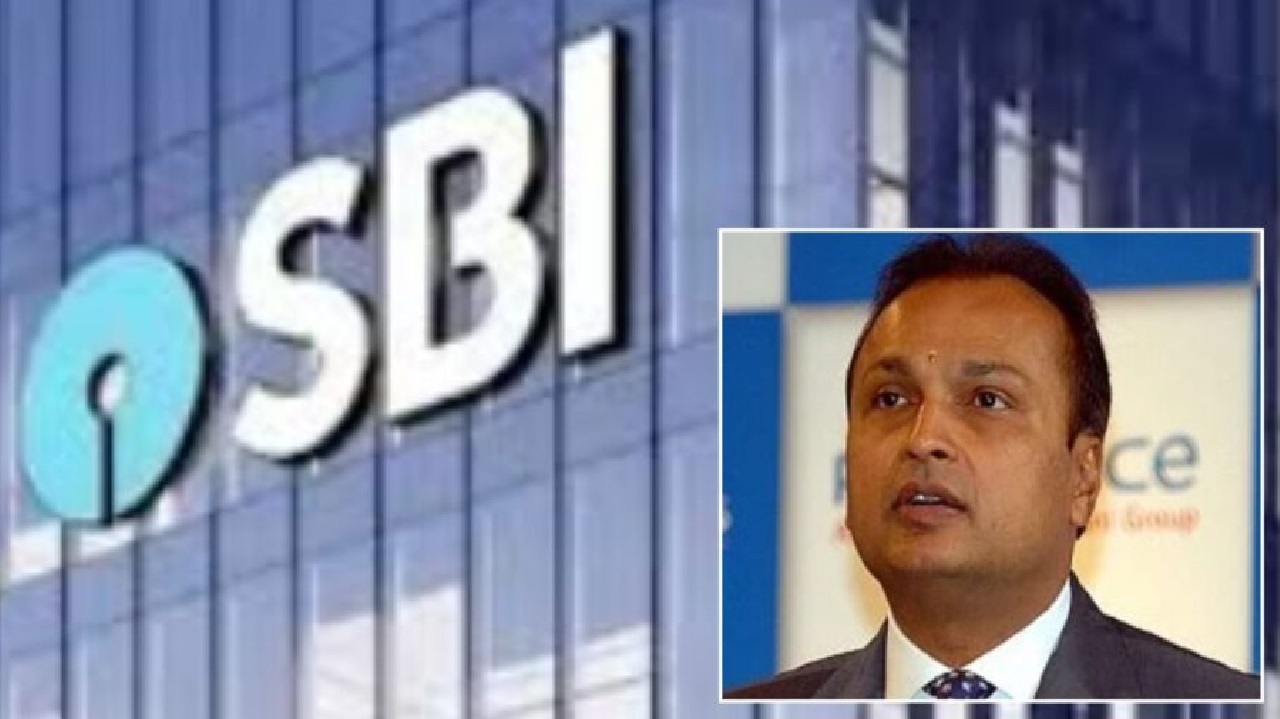
Now, in a severe blow, the State Bank of India (SBI) — India’s largest lender — has formally classified Reliance Communications and its promoter Anil Ambani as “fraud”, setting off a chain of legal and financial consequences and marking another low in Anil Ambani’s rapidly deteriorating business legacy.
The Fraud Declaration: Timeline and Implications
On June 13, 2025, SBI designated Reliance Communications and Anil Ambani as fraud entities, citing violations under the RBI’s Master Directions on Fraud Risk Management. SBI’s exposure to RCom includes:
· Rs 2,227.64 crore in fund-based principal outstanding
· Rs 786.52 crore in non-fund-based bank guarantees
This massive exposure — originally defaulted on in August 2016 — had been under scrutiny for years. RCom has been undergoing a Corporate Insolvency Resolution Process (CIRP) since March 2020, with the resolution plan still awaiting final approval from the National Company Law Tribunal (NCLT), Mumbai.
In addition, SBI is preparing to file a formal complaint with the Central Bureau of Investigation (CBI), signaling a possible criminal probe. The bank informed Parliament of these developments on July 22, adding that RCom’s Resolution Professional (RP) has also disclosed the fraud classification to the Bombay Stock Exchange (BSE), making the issue public and regulatory.
Legal Back-and-Forth: Delays and Reversals
The path to this classification has been anything but straightforward. SBI had previously classified RCom and Anil Ambani as ‘fraud’ back in November 2020 and filed a CBI complaint in January 2021. However, that complaint was returned following a status quo order by the Delhi High Court on January 6, 2021.
A significant turn came with the Supreme Court’s March 2023 ruling in SBI vs Rajesh Agarwal, which mandated that banks must give borrowers an opportunity to present their side before being declared fraudulent. In compliance, SBI reversed its earlier classification in September 2023 and restarted the process in July 2024, finally reclassifying RCom as ‘fraud’ in June 2025, this time following due process.
This reset and revalidation illustrate the evolving legal framework governing borrower-lender relationships, especially concerning high-profile insolvencies involving public funds.
Personal Insolvency Proceedings Against Anil Ambani
The bank isn’t stopping at the company. SBI has initiated a personal insolvency resolution process against Anil Ambani, which is currently being heard by the NCLT in Mumbai. This move implies that Ambani’s personal guarantees and liabilities are also under enforcement — a rare but powerful step taken by financial institutions under the Insolvency and Bankruptcy Code (IBC).
The Broader Collapse: Anil Ambani’s Downward Spiral
This latest action is not an isolated incident. It’s part of a wider and long-unfolding collapse of Anil Ambani’s once-sprawling corporate empire. Once counted among the world’s richest men, Ambani’s downfall has been riddled with allegations of fraud, fund diversion, defaults, and misgovernance across multiple group companies:
· Reliance Power
In 2024, Reliance Power came under fire when the Solar Energy Corporation of India (SECI) dismissed its chief for allegedly letting the company bid for solar projects using forged bank documents. The company was initially barred from tenders for three years, although that ban was later lifted after a Delhi High Court ruling.
· Reliance Capital
Between 2018 and 2020, major audit firms PricewaterhouseCoopers (PwC) and Grant Thornton uncovered large-scale financial irregularities. PwC flagged Rs 12,751 crore in potentially fraudulent loans to group companies. Around the same time, Grant Thornton alleged Rs 12,000 crore was diverted via Reliance Housing Finance, prompting a SEBI investigation. PwC eventually resigned as statutory auditor, citing obstruction.
· Reliance Infrastructure
Even earlier, in 2011, Reliance Infrastructure faced investor and regulatory ire over inflated asset valuations and opaque financial practices.
This pattern suggests a systemic failure of governance and financial prudence, with RCom’s current fate as the most high-profile and legally advanced case in the saga.
A Fall Symbolic of India’s Changing Corporate Landscape
The formal classification of RCom and Anil Ambani as ‘fraud’ is more than just a regulatory development — it is symbolic. It represents a paradigm shift in India’s banking and insolvency framework, where high-profile promoters are no longer beyond scrutiny. The move by SBI reflects greater lender assertiveness and an increasing reliance on legal mechanisms like the IBC and personal insolvency proceedings to recover taxpayer money.
It also underscores a broader lesson about overleveraging, weak corporate governance, and lack of accountability, which have often plagued India’s private sector and public banks alike. The long rope extended to legacy business families is steadily being shortened.
What’s Next: Legal Battles, Precedents, and Sectoral Impact
In the immediate future, expect a flurry of legal actions:
· CBI complaint by SBI
· NCLT hearing on personal insolvency against Anil Ambani
· Potential fraud classifications by other banks exposed to RCom
From a legal standpoint, this may serve as a precedent for how public sector banks manage high-ticket NPAs, particularly in post-default scenarios where promoters have continued to resist recovery through litigation.
From a regulatory lens, RBI’s July 2024 circular on fraud classification protocols is already being seen as a turning point in enabling fair yet firm actions by lenders.
As for Anil Ambani — once touted as the face of India’s telecom ambition — the journey ahead appears to be one of litigation, asset scrutiny, and reputational loss, rather than corporate resurrection.
(With agency inputs)