Faith Betrayed by Scandal
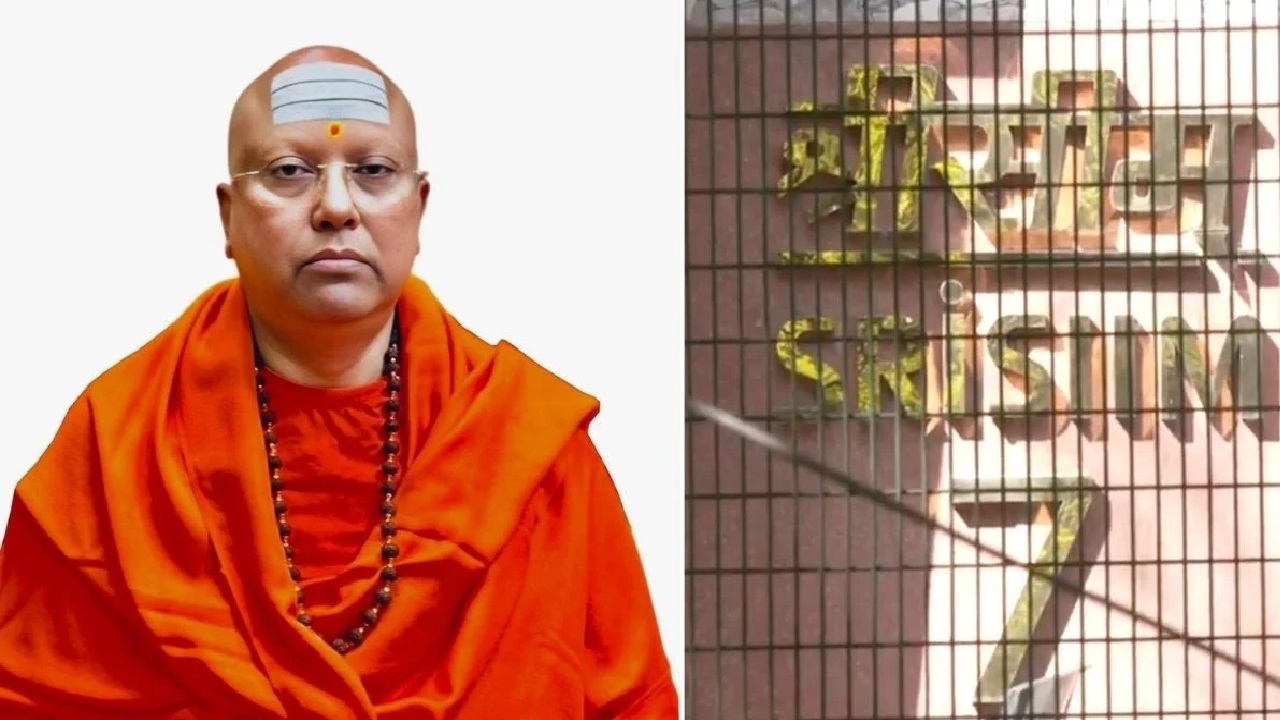
Delhi’s spiritual circles have been jolted by a disturbing controversy after Swami Chaitanyananda Saraswati, head of a well-known ashram in Vasant Kunj, went absconding following allegations of molestation. More than 15 women have stepped forward, accusing him of harassment, blackmail, and intimidation, shaking confidence in an institution long associated with moral and spiritual guidance. As police widen their hunt and the ashram’s parent body severs ties with him, the case raises pressing questions about accountability, safety, and the misuse of religious authority.
A History of Allegations
This is not the first time the Swami, previously known as Parthasarathy, has faced serious accusations. Earlier complaints date back to 2009, involving charges of fraud and molestation in Defence Colony, and another case was filed in 2016 in Vasant Kunj. Despite these red flags, he continued to occupy positions of authority for more than a decade, raising questions about oversight and the mechanisms in place to safeguard students and devotees.
Students Speak Out
The latest allegations surfaced at the Sri Sharada Institute of Indian Management, where the Swami served as director. Statements from 32 women students were recorded; 17 of them detailed abusive language, obscene messages, and physical misconduct. Victims further alleged that three women administrators acted as enablers, pressuring them to comply with the Swami’s demands. The combination of harassment, coercion, and institutional complicity paints a grim picture of how unchecked authority can become exploitative.
Institutional Response and Police Action
In a strongly worded statement, the Dakshinamnaya Sringeri Sharada Peeth—the ashram’s parent body—condemned Chaitanyananda’s conduct as “illegal and inappropriate” and confirmed that all ties had been terminated. The Peeth also clarified that the institute is AICTE-approved, run under a governing council, and assured that students’ academic programs will continue uninterrupted.
Meanwhile, Delhi Police have intensified investigations. Raids were carried out at the institute and the Swami’s known residences. Hard disks and video recorders were seized and sent for forensic examination. Officials also discovered a Volvo car in the institute’s basement carrying a fake UN number plate, believed to have been used by the accused. Separate cases have been registered for the forged documents and the vehicle, deepening the criminal probe.
A Fugitive on the Move
Authorities revealed that the Swami’s last tracked location was in Agra, but he has been frequently changing hideouts and avoiding mobile phone usage to evade capture. Police continue to interrogate the three women staffers allegedly involved, but their exact role will only be determined once the primary accused is apprehended. The case has thus become a test of law enforcement’s ability to pursue high-profile fugitives and restore faith in institutional justice.
Broader Concerns on Safety
The allegations highlight more than just individual misconduct—they underscore systemic gaps in ensuring the safety of students within spiritual and educational spaces. The fact that vulnerable young women on scholarships were targeted underlines the need for stricter monitoring, better grievance redressal systems, and independent oversight mechanisms. Public trust in religious and educational institutions rests on their credibility, which can be swiftly eroded when allegations of this nature are left unchecked.
Reform Beyond One Case
While the immediate focus remains on arresting Swami Chaitanyananda Saraswati and securing justice for the complainants, this case exposes a larger structural challenge. Merely severing ties with errant leaders after scandals erupt is insufficient. Regulatory authorities, religious trusts, and educational governing councils must institute rigorous safeguards: independent complaint committees, background checks on leaders, transparent audits, and stronger collaboration with law enforcement.
If spiritual and academic spaces are to retain their sanctity, they must be held to the highest standards of integrity and accountability. Bengaluru’s “city of potholes” image stems from neglect; Delhi’s spiritual institutions risk a similar fate if oversight remains lax. Protecting students and devotees must be treated not as an afterthought, but as a cornerstone of governance. Only then can institutions built on faith truly uphold the values they claim to represent.
(With agency inputs)