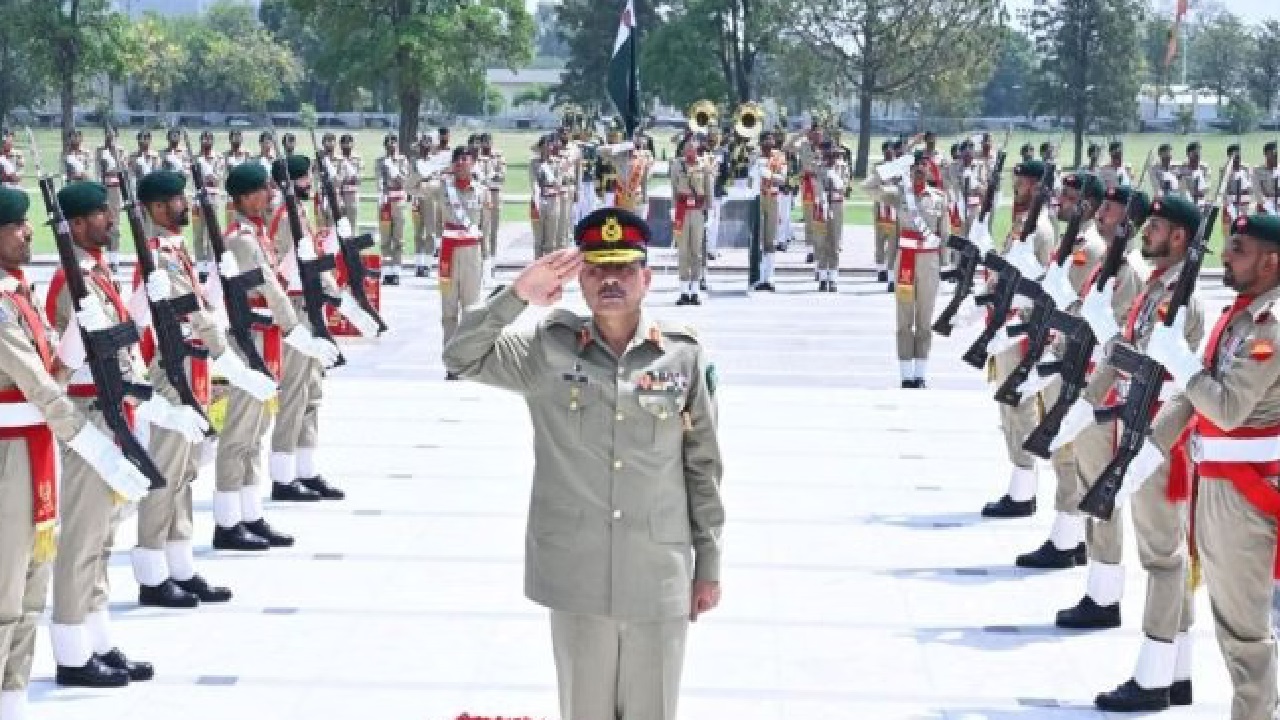
Historic Military Restructuring
On December 5, 2025, Field Marshal Asim Munir was appointed Pakistan’s first Chief of Defence Forces (CDF), concurrently serving as Chief of Army Staff for a five-year term. The appointment, approved by President Asif Ali Zardari on Prime Minister Shehbaz Sharif’s advice, follows the 27th Constitutional Amendment that abolished the Chairman Joint Chiefs post. Munir now commands the army, navy, air force, and nuclear arsenal, marking Pakistan’s most significant military overhaul since the 1970s. The historic shift has drawn attention both for its strategic implications and the unusual political maneuvering surrounding the notification.
Notification Delays and Political Maneuvering
The official gazette was expected on November 29, following General Sahir Shamshad Mirza’s retirement, but delays created a temporary constitutional vacuum in the command chain. PM Sharif’s absences—first to Bahrain, then London—fueled speculation of intentional foot-dragging to mitigate political fallout. Analysts, including ex-NSAB member Alok Bansal Devasher, suggested the PM stalled the process to extract concessions from the army and avoid immediate backlash. Media commentary, notably journalist Cyril Almeida, highlighted the limbo, mocking the “non-notifications” and amplifying public scrutiny.
Reactions from Political Parties
PTI Opposition
Imprisoned PTI leader Imran Khan and party spokesperson Sheikh Waqas Akram denounced the appointment as a “constitutional coup”, warning it centralizes military dictatorship. Allegations of a “London Plan” tied Munir to electoral manipulation and the house arrest of Khan’s wife, Bushra Bibi. PTI supporters staged protests in Lahore and Islamabad, emphasizing fears of deep state overreach amid ongoing inflation exceeding 40%.
PML-N’s Reluctant Endorsement
The ruling PML-N, led by PM Sharif, eventually endorsed Munir’s appointment as a national security measure under Article 243. However, Sharif’s delayed approval—interpreted as a negotiation tactic—revealed internal divisions. While party loyalists hailed the move for stabilizing joint military operations, whispers suggested Sharif leveraged the delay for concessions, including measures against PTI.
PPP Pragmatic Support
President Zardari’s PPP supported the notification, describing it as an evolutionary reform that bridges civil-military relations and safeguards IMF-backed economic initiatives. The party’s cautious endorsement balanced coalition needs with political optics, avoiding direct confrontation with PTI while securing army backing.
Other Political Entities
Smaller parties responded variably: MQM-P framed the move as defence modernization, JUI-F criticized overreach but abstained from protests, and BNP-M remained neutral, focusing on regional grievances rather than national military shifts.
Implications and Power Dynamics
The CDF role grants Munir immunity comparable to the President and consolidates strategic command, including nuclear oversight. Critics warn this militarizes governance further and risks democratic erosion reminiscent of Zia-era centralization. Sharif’s temporary delay revealed a rare civilian pushback, though eventual capitulation underscores the army’s upper hand. The episode exposes fragile civil-military balances, heightened public scrutiny, and potential social unrest amid economic stress.
A New Era with Political and Strategic Ripples
Asim Munir’s appointment as Pakistan’s first CDF represents a landmark in military restructuring, combining operational consolidation with unprecedented political symbolism. While party reactions ranged from opposition-led protests to pragmatic endorsements, the delayed notification highlighted civilian attempts to negotiate influence. Strategically, the move strengthens Pakistan’s defense posture, but the concentration of power raises democratic and governance concerns, signaling an era where military authority intersects sharply with domestic politics. The coming years will test whether the CDF framework stabilizes Pakistan’s security architecture or exacerbates civil-military tensions amid economic and social pressures.
(With agency inputs)