



Growing Global Momentum
The debate over Palestinian statehood has re-emerged on the world stage, with several major Western powers taking positions in recent months. France, the United Kingdom, and Canada have all moved toward recognition, and now Australia is preparing to follow suit. The announcement comes amid escalating violence in Gaza, mounting international calls for a two-state solution, and deepening divisions over Israel’s military strategy.
The Decision – Conditional Recognition
Prime Minister Anthony Albanese confirmed on Monday that Australia will formally recognize the State of Palestine during the 80th United Nations General Assembly in September. The move, he said, aims to “add to international momentum” toward a two-state framework, a ceasefire in Gaza, and the release of hostages.
Albanese stressed that recognition would depend on assurances from the Palestinian Authority (PA) that Hamas would play no role in any future Palestinian government. “A two-state solution is humanity’s best hope to break the cycle of violence,” he told reporters in Canberra, describing the humanitarian catastrophe in Gaza as intolerable.
Political and Diplomatic Context
Australia’s stance has been shaped by months of diplomatic exchanges. Albanese revealed he had spoken with Israeli Prime Minister Benjamin Netanyahu just days earlier, urging a political solution over a purely military approach.
The Prime Minister pointed to Israel’s settlement expansion, threats of annexation in the Occupied Palestinian Territories, and open opposition to Palestinian sovereignty as actions that are “extinguishing the prospect” of a two-state agreement. He said these developments, combined with the humanitarian crisis, “further compelled” Canberra to act.
Foreign Minister Penny Wong joined Albanese in the announcement, noting that she had already briefed U.S. Secretary of State Marco Rubio. While Washington has not endorsed such recognition, Wong framed the move as a chance to “isolate Hamas” and encourage Palestinian governance reform.
Commitments from the Palestinian Authority
According to Albanese, the PA has pledged to undertake governance reforms, demilitarize, and hold general elections. These promises align with Arab League demands for Hamas to relinquish control of Gaza. Canberra views this as an opening to support Palestinian self-determination without legitimizing militant groups.
International Reactions
The response from Israel was swift. Israeli Ambassador to Australia Amir Maimon condemned the decision on social media, claiming it jeopardizes Israel’s security and undermines ongoing hostage negotiations.
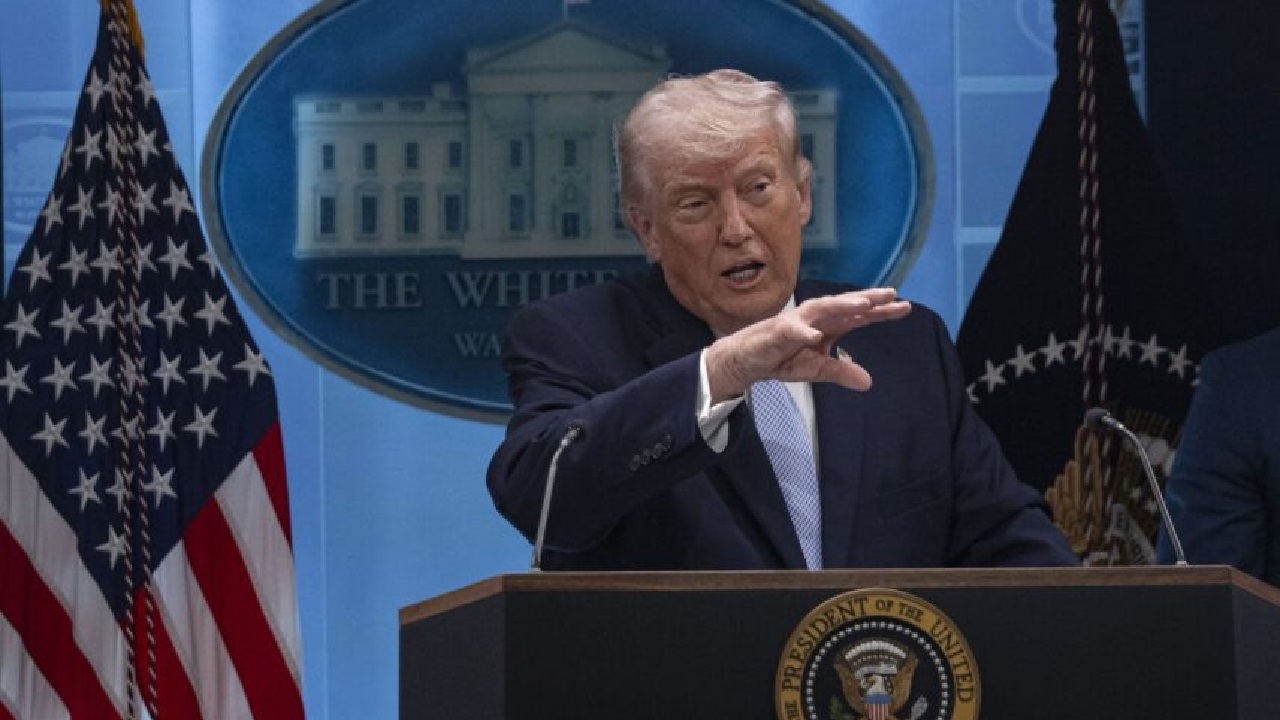
In the United States, President Donald Trump last month criticized Canada’s recognition of Palestinian statehood, while Secretary of State Rubio called France’s decision “reckless.” Nevertheless, New Zealand has indicated it will review its own position in the coming weeks.
Domestic Landscape
Albanese’s announcement follows growing domestic pressure. Earlier this month, tens of thousands marched across Sydney’s Harbour Bridge demanding more humanitarian aid for Gaza. The Prime Minister acknowledged “massive concern” among Australians about the destruction and starvation in the enclave.
Until recently, Albanese had avoided committing to a timeline for recognition, mindful of divided public sentiment. The September UN session now provides a fixed stage for the diplomatic shift.
Conflict and Humanitarian Crisis
The backdrop to Australia’s move is the war that began on October 7, 2023, when Hamas-led fighters attacked Israeli towns, killing about 1,200 people and taking 251 hostages. Israel’s military response has since claimed the lives of more than 60,000 Palestinians, according to Gaza health officials, and reduced much of the territory to rubble.
International aid agencies warn of widespread malnutrition, accusing Israel of deliberately restricting aid deliveries—a charge Israel denies, blaming Hamas for the crisis and insisting that significant amounts of aid have been distributed.
A Risky Diplomatic Bet
By aligning itself with other Western nations recognizing Palestine, Australia is both reinforcing global calls for a political settlement and taking on diplomatic risk. Canberra hopes conditional recognition will help isolate Hamas, empower moderate Palestinian leadership, and push the region toward peace.
Whether this decision will advance a two-state solution—or strain Australia’s ties with Israel and its allies—will become clearer when leaders gather at the UN next month. For now, the move signals that Australia is ready to step off the sidelines and place itself firmly in the debate over the Middle East’s future.
(With agency inputs)