A Pioneering Step in Digital Governance
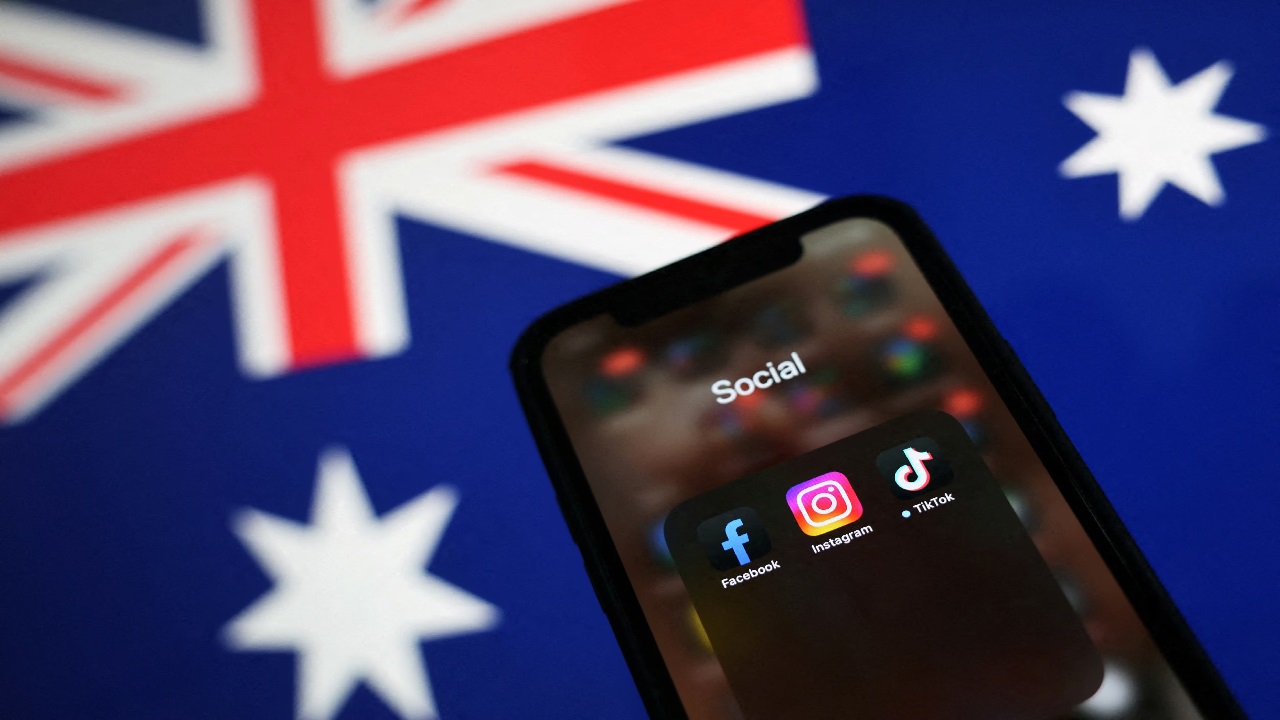
Australia has taken a groundbreaking step by approving a social media ban for children under the age of 16, making it the first country to implement such sweeping restrictions on youth access to platforms like TikTok, Instagram, and Facebook. The legislation, passed late on Thursday, aims to address growing concerns over the impact of social media on young users’ mental health. Despite strong public support, the law has ignited fierce criticism from Big Tech companies, privacy advocates, and some child rights groups. As the global community watches, this bold experiment in digital regulation may set the stage for similar actions worldwide.
A Response to Growing Concerns Over Mental Health
The legislation was driven by alarming testimonies during a parliamentary inquiry earlier this year. Parents shared heart-breaking stories of children who experienced cyberbullying and self-harm due to their interactions on social media. These accounts underscored the urgency of addressing the unregulated exposure of young users to potentially harmful content.
Prime Minister Anthony Albanese’s government framed the bill as a necessary intervention to safeguard youth mental health. Public sentiment strongly supported the move, with a reported 77% of Australians in favour of stricter age limits for social media use. Domestic media, spearheaded by Rupert Murdoch’s News Corp, amplified this momentum through its widely publicized “Let Them Be Kids” campaign.
Details of the Ban and Its Implementation
The legislation requires social media platforms to enforce a strict age limit, barring anyone under 16 from accessing their services. Companies failing to comply could face fines of up to A$49.5 million (approximately $32 million). A trial phase for enforcement will begin in January 2024, with the full ban scheduled to take effect in November 2025.
This law positions Australia as a pioneer in regulating social media to protect young users, serving as a test case for other nations considering similar measures. However, its absolute nature—leaving no room for alternative solutions like parental controls or content moderation—has sparked debate.
Big Tech Pushback and Industry Concerns
Tech giants, including Meta and TikTok, have criticized the law, calling it rushed and overly simplistic. Meta highlighted inconsistencies in the legislative process, pointing out that even parliament’s own committee had earlier noted no definitive causal link between social media and youth mental health.
TikTok warned of unintended consequences, suggesting that such restrictions could drive younger users to less-regulated and potentially more harmful corners of the internet. Sunita Bose, managing director of the Digital Industry Group, echoed these concerns, stating that neither the platforms nor the public fully understand how the law will be enforced in practice.
Snapchat’s parent company, Snap, also questioned the feasibility of implementing the ban, citing ambiguities in its requirements and enforcement mechanisms.
Public Support and Political Dynamics
Despite the backlash, the law represents a significant political win for Albanese’s Labor government, coming ahead of the 2025 elections. It garnered bipartisan support, with opposition conservatives endorsing the bill to expedite its passage. This collaboration allowed the legislation to progress swiftly through parliament, even amidst a chaotic end-of-year legislative session.
Critics, including privacy advocates, argue that the rushed timeline left little room for thorough debate or exploration of alternative solutions. However, the overwhelming public demand for action appears to have outweighed these concerns.
Australia’s Track Record in Challenging Big Tech
Australia has consistently been at the forefront of challenging Big Tech. In recent years, the government mandated that platforms pay media outlets for sharing news content and imposed strict penalties for failing to combat online scams. The social media ban for under-16s represents another bold move in this ongoing effort to hold tech giants accountable.
A Bold Experiment with Global Implications
Australia’s social media ban for under-16s is a landmark move that underscores the government’s commitment to prioritizing the mental health and safety of its youth. While the legislation faces criticism for its rushed implementation and potential unintended consequences, it has ignited a crucial conversation about the responsibilities of tech companies in safeguarding vulnerable users.
As the trial phase begins in January, the world will closely watch how Australia navigates the challenges of enforcing this ambitious policy. If successful, it could serve as a blueprint for other nations grappling with the complex relationship between social media, young users, and mental health. Regardless of the outcome, this bold experiment signals a growing determination to ensure that technology serves society’s best interests, particularly its youngest members.
(With inputs from agencies)