


A New Escalation in a Long Conflict
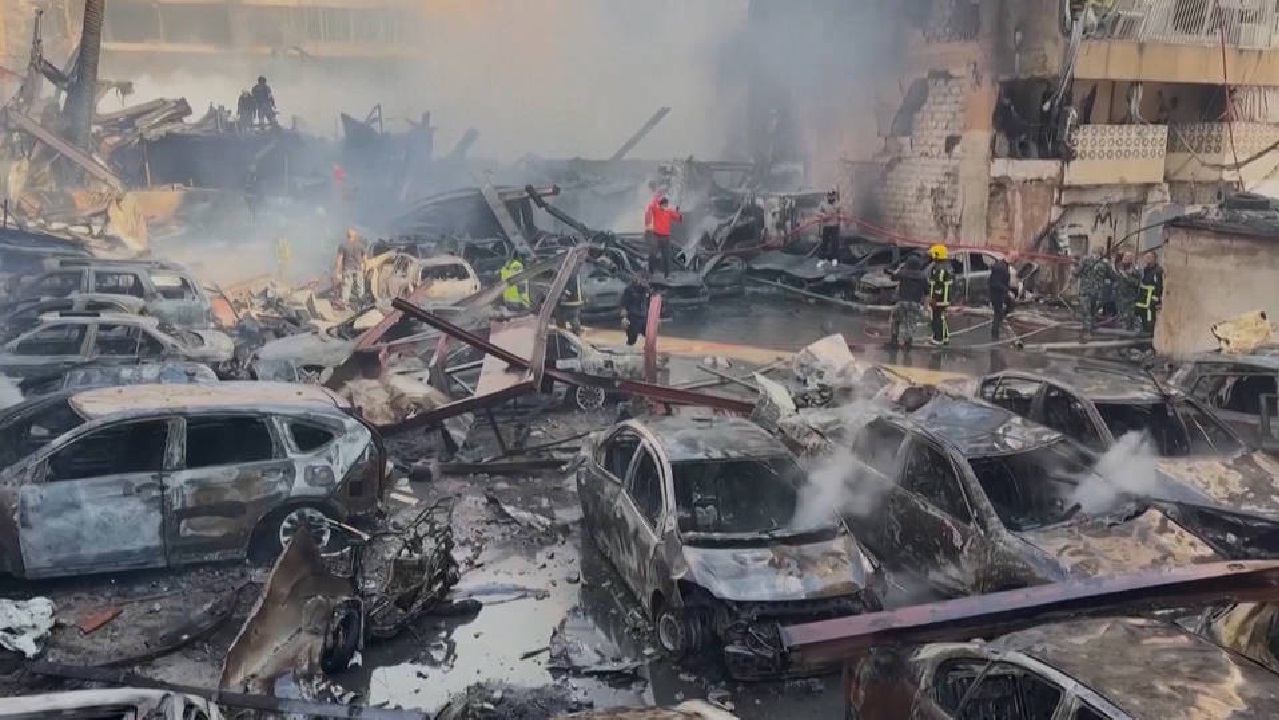
Balochistan has again drawn national and regional attention after the Balochistan Liberation Army (BLA) claimed to have carried out more than 40 hours of coordinated attacks across multiple districts. The group asserted that it temporarily seized control in several locations and killed over 200 Pakistani security personnel—figures that remain unverified by independent sources. Among the most striking claims was a suicide attack allegedly carried out by a female BLA operative targeting the Inter-Services Intelligence (ISI) headquarters in Noshki, in which the attacker reportedly died. These assertions, whether fully accurate or not, signal a renewed intensity in a conflict that has simmered for decades.
The Geography of Grievance
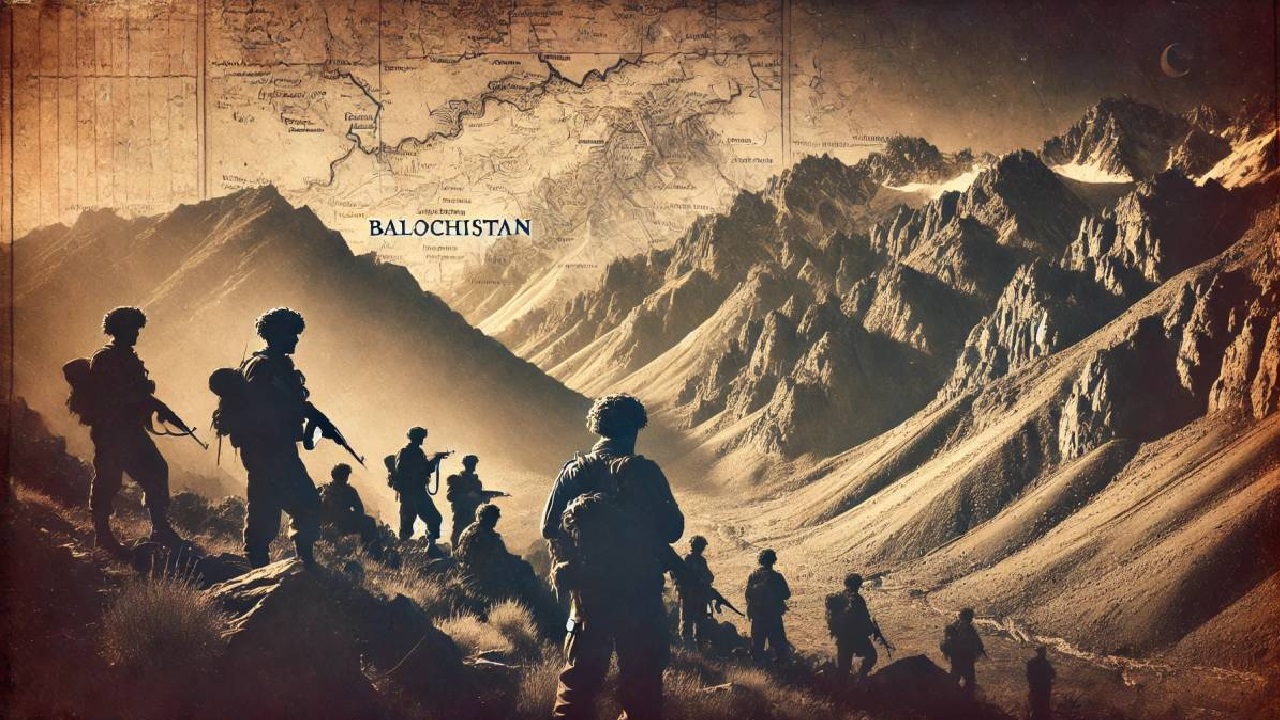
Balochistan is Pakistan’s largest province by area and among its richest in natural resources, sharing borders with Iran and Afghanistan and hosting strategic coastline along the Arabian Sea. Despite vast reserves of natural gas, copper, gold, and its centrality to the Gwadar port, the province remains Pakistan’s least developed. Chronic poverty, limited infrastructure, and weak social indicators have long fueled resentment among the Baloch population, who argue that local communities see little benefit from the wealth extracted from their land.
Origins of the Baloch Separatist Movement
The roots of Baloch separatism stretch back to the turbulent years surrounding the creation of Pakistan. Prior to 1947, much of present-day Balochistan formed the Khanate of Kalat, a semi-autonomous entity under British paramountcy. As British India dissolved, Kalat’s ruler initially sought independence, citing historical treaties and sovereign status. Pakistan’s leadership, however, pushed for accession, viewing Balochistan as strategically indispensable.
In 1948, Pakistani forces moved into Kalat, compelling accession and igniting the first armed rebellion led by Prince Abdul Karim. Although quickly suppressed, this revolt planted the seeds of enduring mistrust. Subsequent decades saw repeated cycles of resistance, often triggered by centralization policies, dismissal of elected provincial governments, and disputes over resource ownership.
Cycles of Insurgency and Repression
Balochistan has experienced at least five distinct insurgent phases since 1948. The 1950s and 1960s uprisings were closely linked to the “One Unit” policy, which merged Pakistan’s western provinces and diluted Baloch political identity. Later, the discovery and exploitation of the Sui gas fields deepened grievances, as revenues flowed to the federal center while local development lagged.
The most violent phase unfolded in the 1970s after the dismissal of a provincial government, drawing tens of thousands of fighters and massive military deployment. Although that rebellion ended, the underlying issues remained unresolved. The current phase, which intensified after the killing of tribal leader Nawab Akbar Bugti in 2006, reflects a shift from demands for autonomy to outright separatism.
BLA and the Contemporary Insurgency
The BLA has emerged as the most prominent militant actor in this latest phase, targeting security forces, state institutions, and infrastructure linked to the China–Pakistan Economic Corridor (CPEC). The group portrays its campaign as resistance against exploitation by Islamabad and foreign interests, particularly China. The inclusion of female operatives in its messaging underscores an effort to project ideological commitment and broaden its appeal.
History Unresolved, Conflict Renewed
The latest claims of widespread attacks in Balochistan are not an isolated flare-up but part of a long continuum shaped by contested state-building, uneven development, and political exclusion. Military responses may suppress violence temporarily, but history suggests they cannot extinguish the grievances that sustain rebellion. Without credible political dialogue, equitable resource sharing, and accountability, Balochistan is likely to remain a fault line where history and insurgency continue to collide.
(With agency inputs)