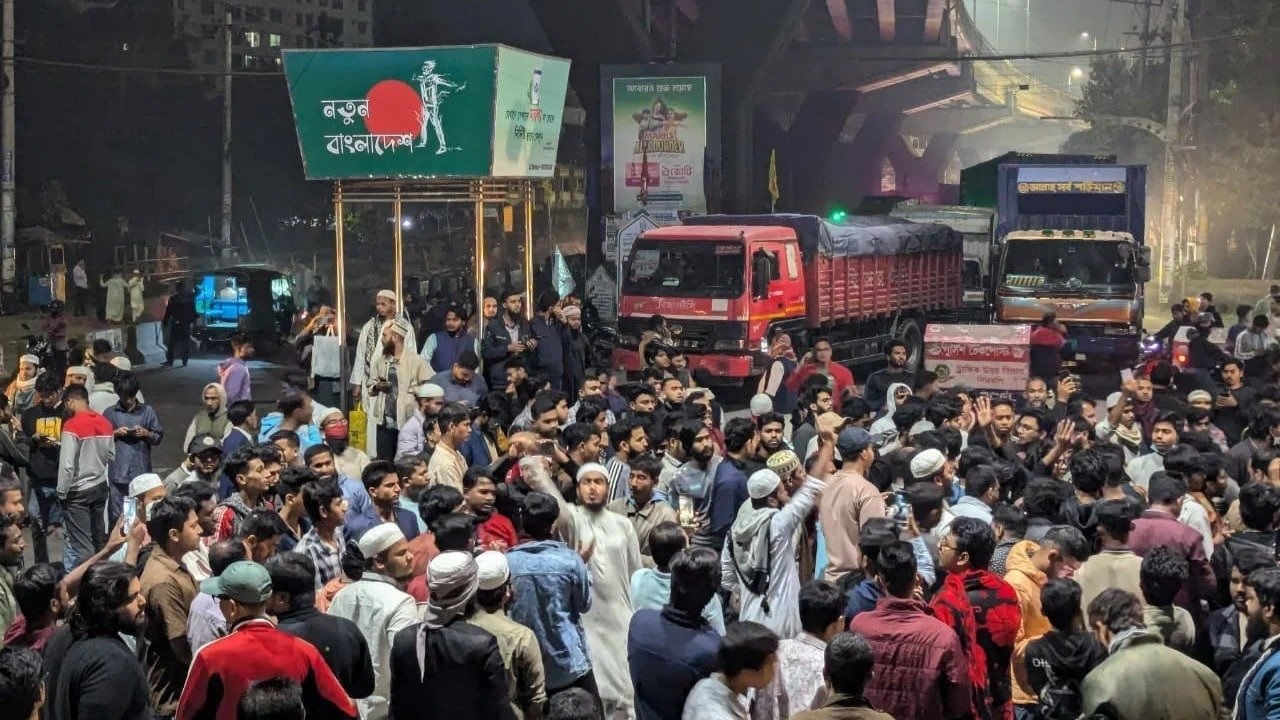
A Nation Jolted by Sudden Unrest
Bangladesh has once again been thrust into turbulence. The fatal shooting of student leader Sharif Osman Hadi has triggered days of street violence, arson, and confrontations with security forces across major cities. What began as grief has rapidly morphed into a broader revolt against political elites, the remnants of the former ruling party, and perceived foreign influence, placing the country’s fragile transition under acute strain.
Why Hadi’s Death Matters
Hadi’s killing is not an isolated crime; it is a political shockwave reverberating through a society still unsettled after the fall of Sheikh Hasina’s long rule. As a prominent face of the 2024 student-led uprising, Hadi symbolized youth defiance, demands for justice, and rejection of entrenched power structures. His assassination, just as he launched an independent political campaign, has deepened mistrust in the state’s ability to safeguard dissent and oversee a credible democratic reset.
The Spark and the Streets
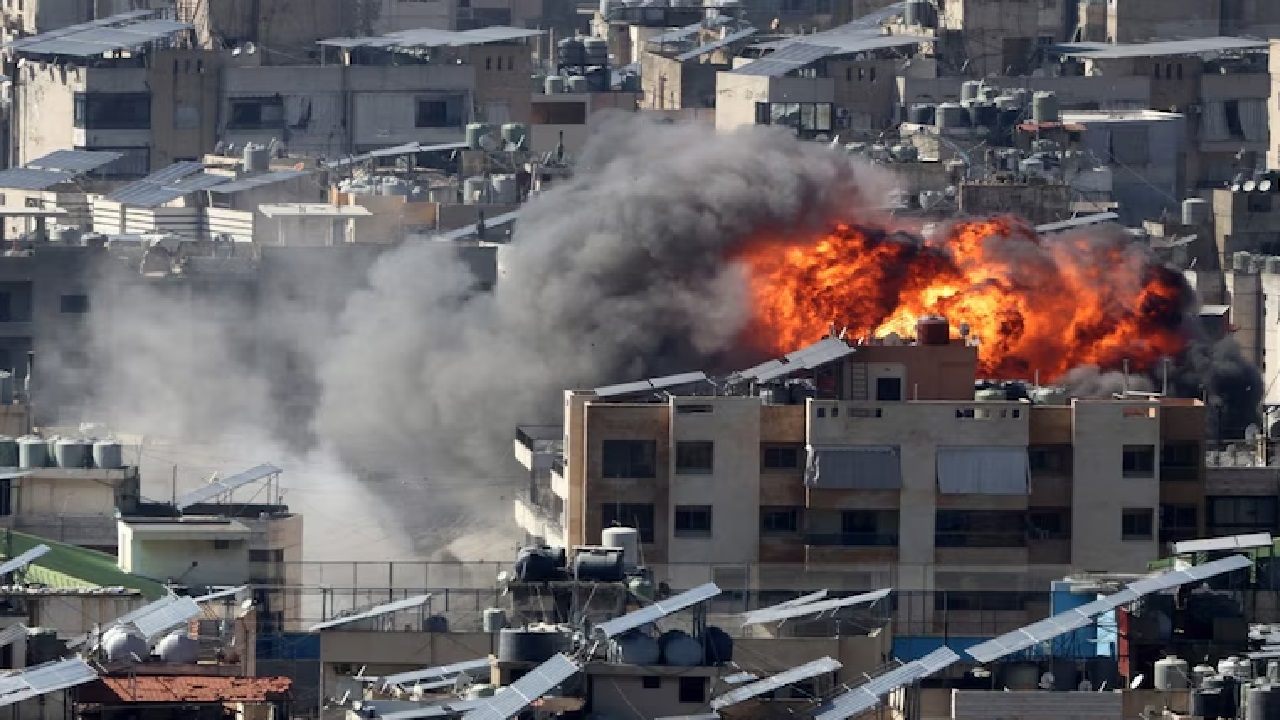
The return of Hadi’s body to Dhaka unleashed mass protests that quickly turned destructive. Demonstrators torched offices linked to the Awami League, vandalized media houses accused of elite bias, and blocked highways with slogans laced with anti-India sentiment. Violence spread beyond the capital to Rajshahi, Chittagong, and Sylhet, underscoring how quickly local anger escalated into a nationwide crisis. For many protesters, Hadi became a martyr—proof that the old order, though toppled, still casts a long and violent shadow.
Measures by the Interim Government
Interim leader Muhammad Yunus responded with a mix of symbolism, policing, and pledges of accountability. Addressing the nation, he condemned the assassination as a deliberate attempt to derail the transition and declared a National Day of Mourning, with flags lowered and public prayers encouraged. Law enforcement agencies launched a high-profile manhunt, circulated suspect images, and announced financial rewards for information. Paramilitary units were deployed in flashpoint cities, tear gas was used to disperse crowds, and restrictions on large gatherings were enforced under emergency-era regulations. Authorities also slowed internet services in some areas to curb rapid mobilization.
Yet these steps revealed limits. While clashes in parts of Dhaka were contained, violence flared elsewhere hours after Yunus’s appeal, exposing gaps in coordination, intelligence, and public trust.
Political Impact and Structural Fault Lines
Politically, the unrest threatens to derail the roadmap to elections. Opposition forces, including BNP and Jamaat-aligned groups, are reasserting themselves amid economic stress marked by falling exports and a heavy refugee burden. Hadi’s links to radical student networks—with a blend of populist justice claims and hardline rhetoric—have further polarized discourse. Accusations surrounding India’s role, amplified by Hadi’s past positions, risk complicating regional relations at a moment when Bangladesh needs diplomatic and economic stability.
The assassination has also eroded confidence in the interim administration. Critics argue that moral tributes without institutional reform ring hollow, while delays or failures in delivering justice could embolden extremists and delegitimize the transition altogether.
Democracy on a Knife’s Edge
Hadi’s death has laid bare Bangladesh’s unresolved contradictions: a society hungry for justice, a state struggling to assert authority, and a political arena crowded with actors ready to exploit uncertainty. Restoring order will require more than force or mourning rituals—it demands credible investigations, inclusive political dialogue, and tangible reforms that reassure citizens the cycle of impunity has ended. Without that, the promise of a democratic reboot risks being consumed by the very unrest it was meant to overcome.
(With agency inputs)