A Scandal That Shook the Media World
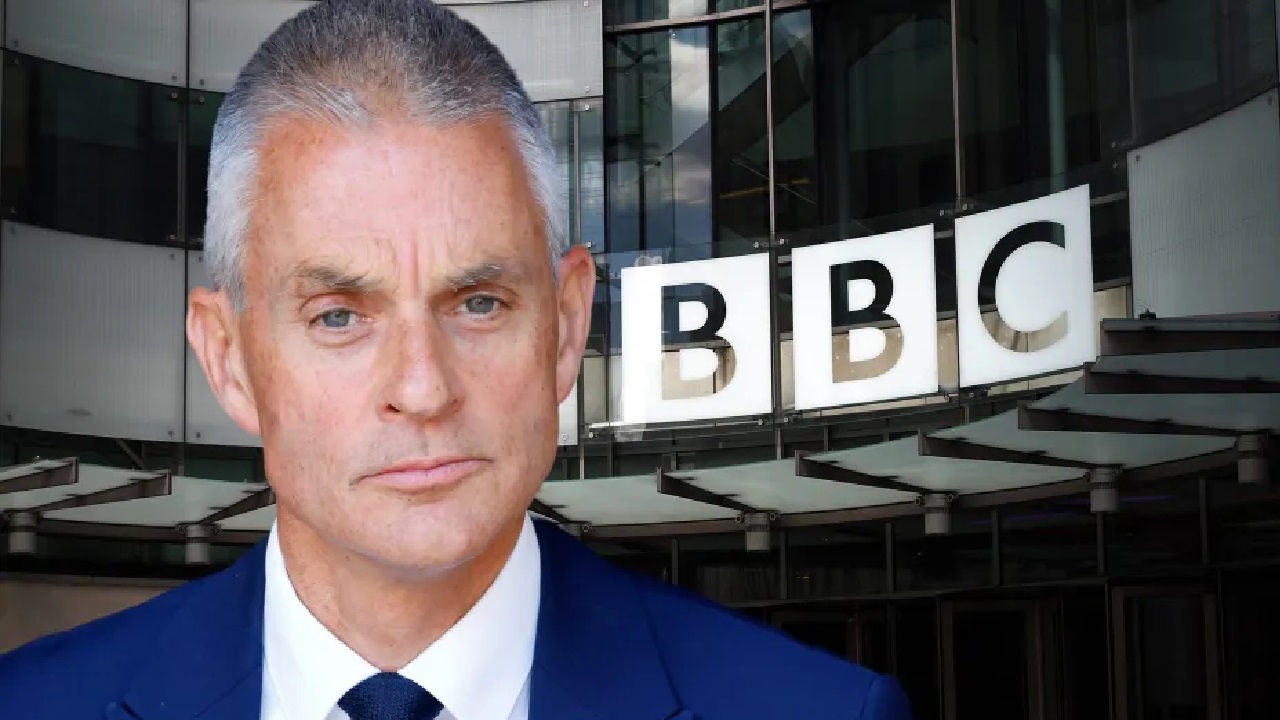
In a stunning double resignation, BBC Director General Tim Davie and News CEO Deborah Turness stepped down following outrage over the broadcaster’s controversial editing of Donald Trump’s January 6, 2021, speech. The decision to air a selectively edited version of the US President’s address—delivered just before the Capitol riot—has ignited a global debate on journalistic integrity, editorial responsibility, and the fragile boundaries of media liberty.
The fallout, which drew criticism from world leaders including the US President, has thrust the BBC—one of the world’s most trusted public broadcasters—into the center of a storm over truth, context, and accountability in modern journalism.
Incident Overview: Editing Choices and Their Explosive Fallout
The controversy began when a flagship BBC News program aired an edited version of Trump’s January 6 speech, allegedly omitting key portions where he urged supporters to “peacefully and patriotically make your voices heard.” Instead, the broadcast emphasized statements perceived as incendiary. Critics claimed this editorial choice distorted the speech’s intent, potentially reinforcing partisan narratives about Trump’s role in the Capitol attack.
Public outrage was swift. Political leaders, commentators, and media watchdogs condemned the segment as a breach of editorial impartiality. Facing mounting backlash, the BBC’s top leadership accepted full responsibility. In their resignation statements, Davie and Turness acknowledged a “failure to uphold core editorial values.”
Trump himself lashed out, branding the BBC “a disgraceful propaganda machine” and demanding probes into foreign media manipulation of US political narratives. The incident rapidly evolved from a newsroom controversy into a global flashpoint on media trust and neutrality.
Lessons from Past Media Crises
While shocking, this is not the BBC’s first brush with editorial scandal. The network has weathered crises before—the 2003 Gilligan affair, concerning reporting on Iraq’s alleged weapons of mass destruction, and the 2012 Jimmy Savile scandal, both of which triggered top-level resignations and calls for reform.
International parallels abound. The New York Times’ backlash over the 2020 “Tom Cotton op-ed” and CNN’s periodic controversies around selective framing show how perceived bias or omission can ignite institutional upheaval.
Each of these moments exposes the same fragility: when media outlets blur the line between contextual editing and ideological filtering, their credibility—and by extension, public trust—begins to erode. In today’s hyper-partisan digital landscape, that erosion spreads faster than ever.
Media Liberty vs. Editorial Responsibility
The BBC episode encapsulates a deeper tension at the heart of journalism: the balance between liberty and responsibility.
Media freedom remains a democratic cornerstone—editors must have the autonomy to condense, interpret, and prioritize news. Yet such power demands rigorous self-restraint, transparency, and internal accountability. When editing crosses into distortion, liberty itself becomes its own undoing.
As legacy institutions like the BBC face shrinking trust and growing scrutiny, the public’s expectation for full context, prompt corrections, and visible accountability grows sharper. The challenge now is not simply to defend free media—but to prove its fairness.
Defending Liberty Through Accountability
The resignations at the BBC mark more than a leadership crisis—they symbolize the fragile equilibrium between press freedom and ethical responsibility. True media liberty cannot survive on independence alone; it thrives only when paired with integrity, self-correction, and truthfulness.
In an age where misinformation and polarization threaten democratic discourse, public broadcasters must recommit to transparency and impartiality, not retreat from them. The strength of a free press lies not in avoiding mistakes, but in acknowledging and correcting them openly.
If this moment sparks deeper reform and reflection, the BBC’s stumble may yet become a powerful reminder: defending media liberty begins with defending the truth.
(With agency inputs)