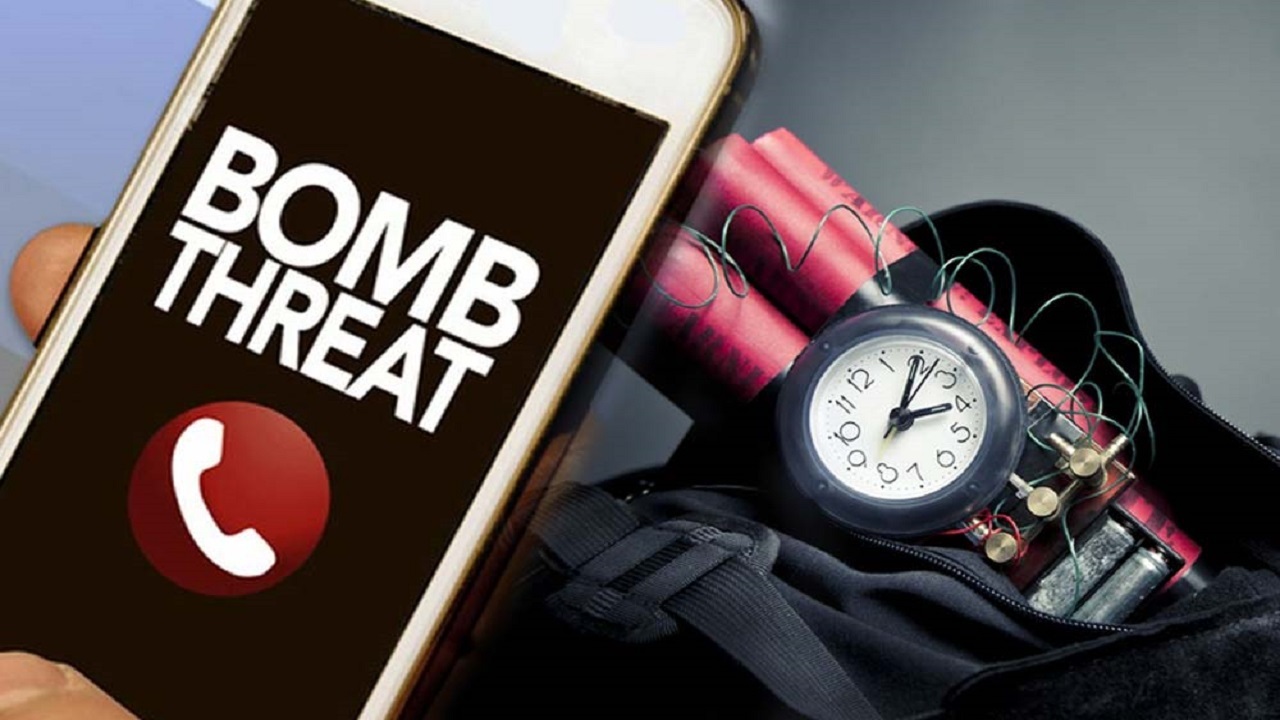
Morning of Chaos: 40 Schools Targeted
On Friday morning, panic gripped Bengaluru as at least 40 private schools across the city received chilling bomb threat emails. The emails, sent from an account calling itself “Roadkill,” claimed that explosives—specifically TNT—had been planted in black plastic bags inside classrooms. The message conveyed a disturbing mix of violent intent and despair, sparking mass alarm among parents, students, and school staff.
The affected schools span several key neighborhoods including Rajarajeshwari Nagar, Kengeri, and parts of Central and East Bengaluru. Prestigious institutions such as Bishop Cotton Boys’ and Girls’ Schools, The International School Bangalore (TISB), DPS South, Sophia High School, Baldwin Girls’, and MS Dhoni Global School were among the recipients. Police immediately swung into action, deploying bomb squads, dog units, and search teams across all locations. As of now, no explosives have been found, but exhaustive checks continue.
A Sinister Pattern Emerges
The bomb threats come amid a troubling surge in similar incidents across the country. Earlier this week, at least 28 schools in Delhi—including Modern International School, The Sovereign, and Vasant Valley—also received bomb threats. This marks the fourth such threat this week alone in the capital. In December 2023, Bengaluru itself saw nearly 70 schools targeted by hoax threats, leading to large-scale evacuations and intense police operations.
According to the Karnataka Home Department, the city has registered 133 out of 169 hoax bomb threat cases in the state over the past three years. These have targeted not only schools, but also hotels, restaurants, and other public institutions. Authorities have arrested 10 individuals so far, but the scale and recurrence of such incidents suggest a deeper, more coordinated problem.
Disturbing Content: Mental Health and Violence
The email received on Friday is alarming not just for its threat of physical harm but also for its psychological overtones. Beyond threatening to kill children—“not a single soul will survive”—the message is laced with anger at the mental health system. The sender wrote of failed psychiatric treatment, suicidal ideation, and a desire for revenge, calling out psychiatrists for neglect and the adverse effects of medication.
This explicit frustration with mental health services adds a deeply personal and disturbing layer to what might otherwise be dismissed as a routine hoax. It reflects growing global concerns about untreated mental illness, especially when coupled with anonymity, isolation, and digital tools capable of sowing fear at scale.
The Administrative Challenge
For law enforcement and school authorities, these incidents pose multiple challenges. While every threat must be treated as credible until proven otherwise, the drain on police resources is significant. Each call-out involves bomb squads, specialized detection equipment, and manpower that could be needed elsewhere. The repeated use of VPNs and potentially the dark web makes it difficult to trace the origin of the emails.
Moreover, such threats severely disrupt the academic calendar, traumatize young students, and trigger widespread fear among families. There’s also the risk of creating a “boy who cried wolf” scenario, where frequent hoaxes may cause eventual complacency—a dangerous precedent if a real threat ever materializes.
The administration now faces pressure to both reassure the public and respond decisively. This includes improving cyber forensics, enhancing coordination with intelligence agencies, and possibly instituting legal reforms to treat such hoaxes with stricter punitive consequences.
Hoax or Harbinger?
While Friday’s threats appear to be part of a disturbing trend of digital hoaxes, their emotional and psychological content cannot be ignored. Whether motivated by attention-seeking, ideological rage, or untreated mental illness, these threats are a stark reminder of the vulnerabilities in our public safety ecosystem—especially when technology is weaponized.
The repeated targeting of schools, the emotional toll on families, and the administrative scramble each time underscore the urgency of a stronger, tech-enabled, and multi-agency response. In a time of rising anxiety, both online and off, ensuring the safety of children and the credibility of public institutions must remain paramount.
(With agency inputs)