Rising Flames of Discontent
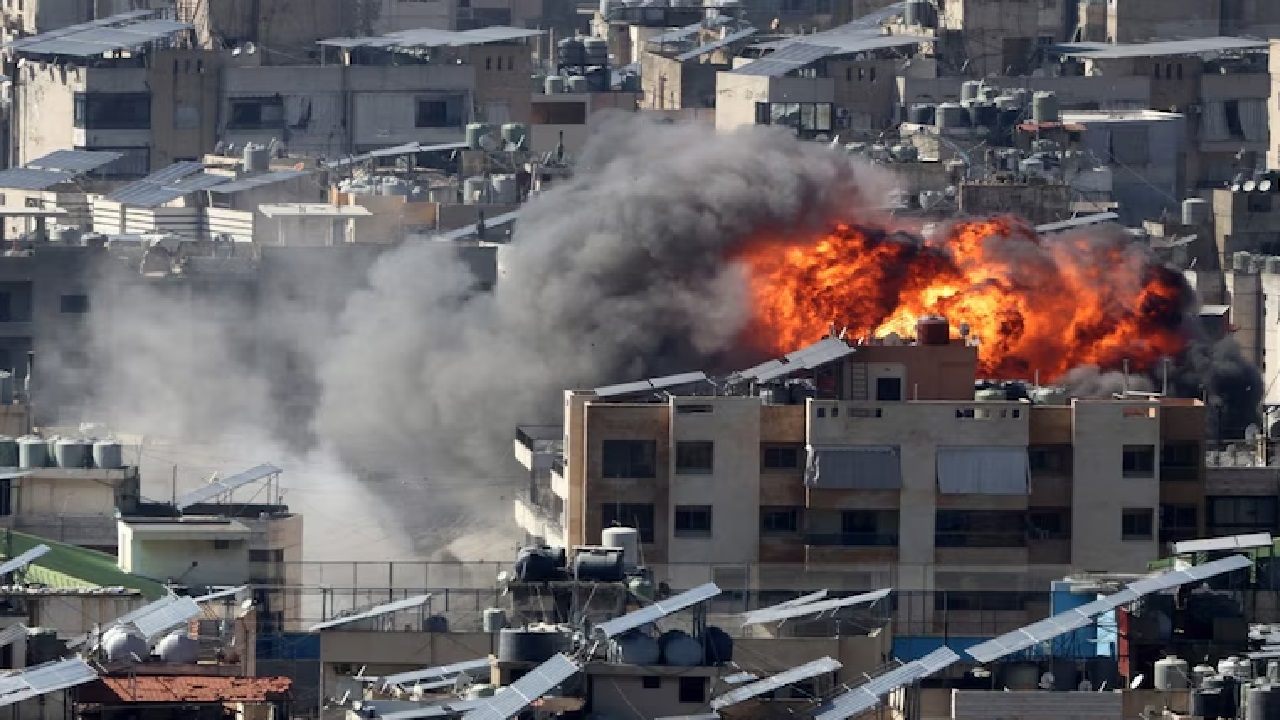
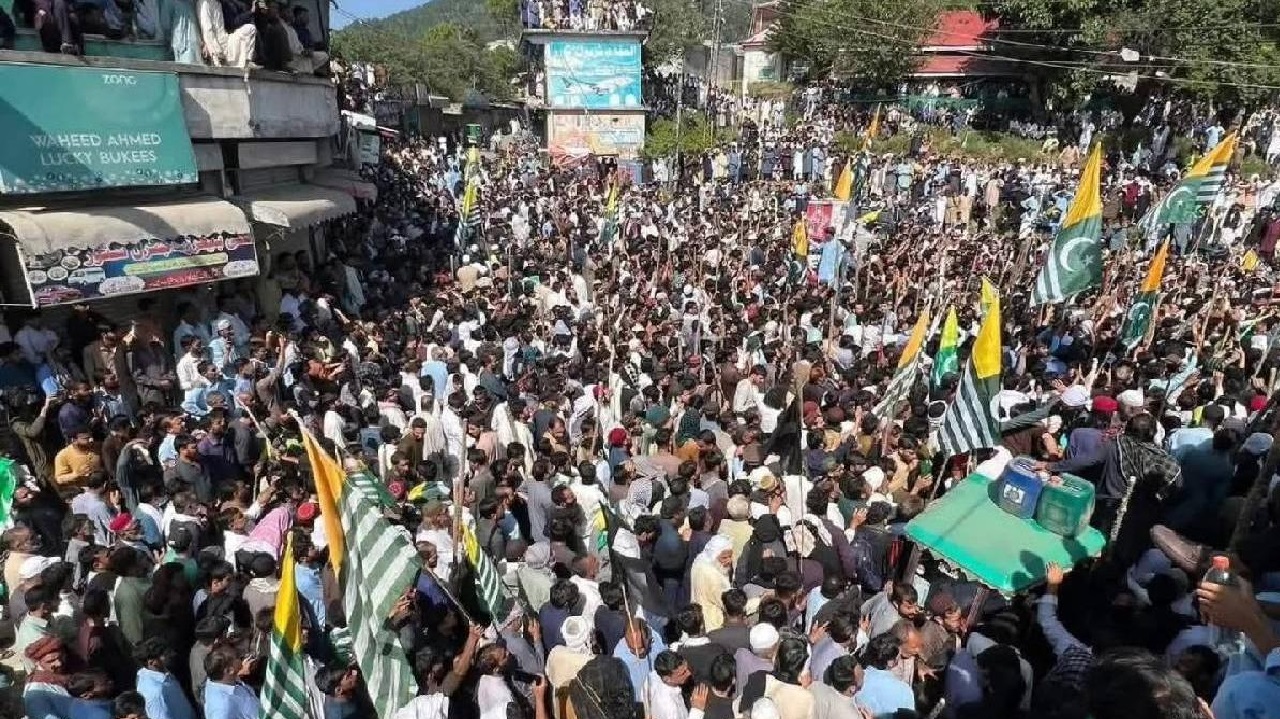
In recent days, Pakistan-occupied Jammu and Kashmir (PoK) has been rocked by widespread protests that turned violent, leaving at least nine people—including three policemen—dead and hundreds injured. The demonstrations, led by the Joint Awami Action Committee (JAAC), reflect years of pent-up frustration over economic hardships, political suppression, and unchecked exploitation by Islamabad. What began as anger over inflated power bills and food shortages has now escalated into a full-blown movement demanding structural reforms.
India, closely monitoring the unrest, has described the turmoil as the “natural outcome” of Pakistan’s decades-long misrule and plundering of resources in the illegally occupied territory. The Ministry of External Affairs (MEA) reiterated that PoK remains an integral part of India and condemned Islamabad’s brutal crackdown on civilians.
Pakistani Leaders Plead for Calm
The Pakistani establishment, rattled by the growing scale of the agitation, has tried to contain the situation through talks. Federal minister Ahsan Iqbal urged protesters to avoid actions that might “benefit the enemy,” a veiled reference to India. His appeal, however, was met with skepticism on the ground as locals accused the government of empty promises.
Police deployment, school closures, and communication blackouts have further inflamed tensions. While the government claims it is preserving law and order, protesters argue that the excessive use of force has turned a local economic protest into a political crisis.
Roots of the Unrest
The seeds of discontent were sown in 2023 when residents mobilized against rising electricity tariffs and shortages of subsidized wheat. Locals argued that since hydropower from the Mangla Dam is generated in their region, they should not be burdened with heavy bills. Economic decline across Pakistan only deepened their grievances.
Another major flashpoint was the privileges enjoyed by government officials. While ordinary people struggle with unemployment and inflation, officials continue to receive perks such as vehicles, free fuel, and security staff. This stark inequality fueled resentment.
The protests peaked in May 2024 when demonstrators attempted a “long march” to Muzaffarabad. Clashes left five dead, forcing Prime Minister Shehbaz Sharif to announce concessions, including subsidies and a judicial review of privileges. But with limited implementation, anger reignited by September 2025.
Expanding Demands, Deepening Crisis
This time, the JAAC has presented a broader 38-point charter of demands. Central among them is the abolition of 12 assembly seats reserved for Jammu and Kashmir migrants living in Pakistan, which locals believe Islamabad uses to manipulate the regional legislature. Other demands include royalties from hydropower projects, investment in healthcare, education, and infrastructure, and dropping legal cases against demonstrators.
Officials say some demands have been accepted in principle, but structural changes such as altering assembly seats require constitutional amendments—a process fraught with political hurdles. The deadlock has left both sides entrenched.
India’s Strong Response
India has seized upon the unrest to highlight Pakistan’s long record of human rights abuses in PoK. In a sharp statement, the MEA said:
“The protests are the direct result of Pakistan’s oppressive policies and systemic exploitation of these territories. Pakistan must be held accountable for its atrocities.”
New Delhi has also reminded the world that Pakistan occupied these areas illegally in 1947 through military aggression and has since denied basic rights to the people.
A Shift from Local to Structural Issues
Though internet restrictions make real-time information scarce, analysts note a clear transformation in the protests’ trajectory. What started as economic grievances has morphed into demands for political restructuring and greater autonomy. The JAAC’s growing influence signals that PoK’s residents are no longer content with cosmetic reforms or temporary relief packages.
A Crisis Beyond Control?
The unfolding unrest in PoK is not just about electricity bills or wheat shortages—it is a direct indictment of Pakistan’s decades-long exploitation and neglect of the region. The heavy-handed crackdown, coupled with Islamabad’s reluctance to address core issues, risks pushing the situation into deeper instability.
For India, the protests reaffirm its stance that Pakistan’s control over PoK is both illegal and unsustainable. For Pakistan, the turmoil is a warning that suppression and token concessions can no longer silence popular discontent. Unless Islamabad undertakes genuine reforms and acknowledges the rights of PoK residents, the protests are likely to intensify, further weakening its already fragile grip on the territory.
(With agency inputs)