A Nation Shaken by Its Deadliest Terror Attack in Decades
Australia was plunged into shock on December 14, 2025, when a mass shooting at Sydney’s Bondi Beach claimed 16 lives during a Hanukkah gathering attended by nearly 1,000 people. The attack—Australia’s deadliest terror incident in decades—targeted families celebrating “Hanukkah by the Sea,” killing men, women, and a child, and leaving dozens wounded. Beyond the immediate horror, the assault has triggered a profound national reckoning over counterterrorism preparedness, gun controls, and the rising threat of antisemitic violence.
What Happened at Bondi Beach
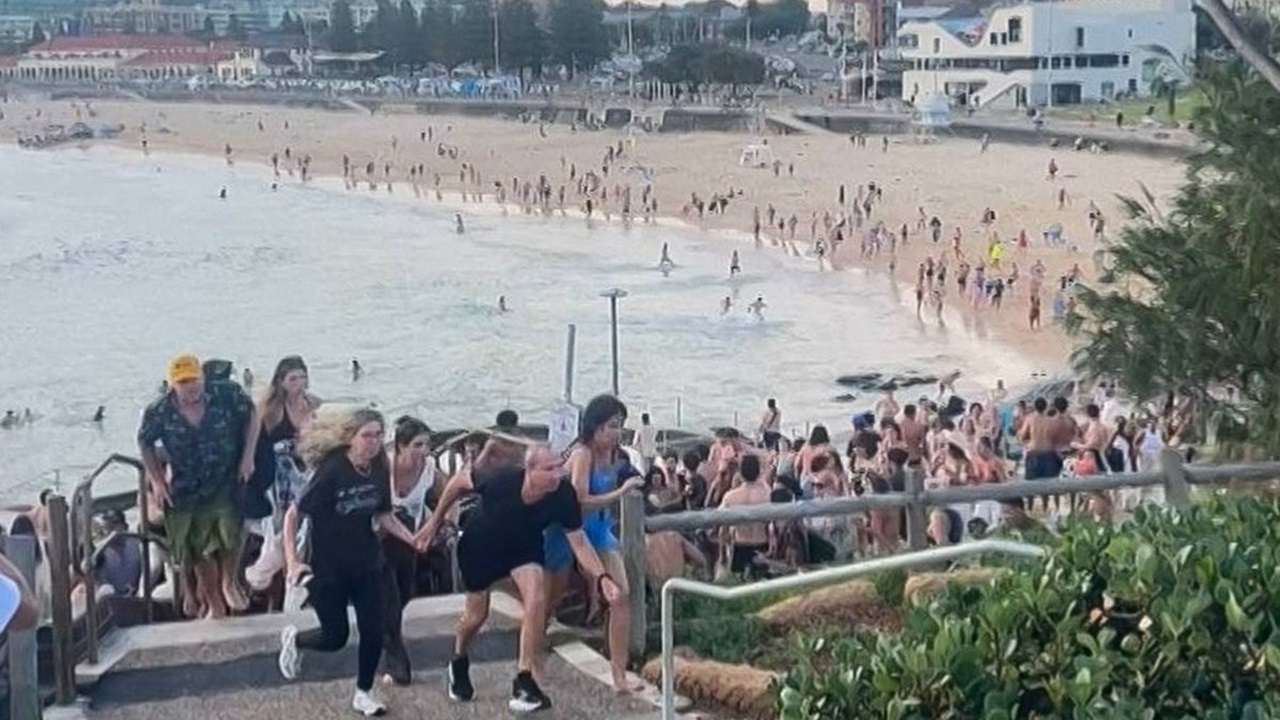
The violence unfolded shortly after dusk when a father and son opened fire from a pedestrian bridge overlooking a crowded beachfront park. Over six minutes, they discharged dozens of rounds into fleeing crowds before a civilian intervened and police neutralized the attackers. One assailant was killed at the scene, while the other was critically injured. Investigators later recovered improvised explosive devices from the attackers’ vehicle, underscoring the planned and ideological nature of the assault.
Security agencies subsequently confirmed that one of the attackers had been previously known to intelligence authorities for extremist sympathies, raising uncomfortable questions about threat monitoring and risk assessment.
Ideology, Radicalisation, and the Intelligence Challenge
Authorities quickly characterised the attack as a deliberate act of antisemitic terrorism, linked to extremist ideology rather than spontaneous violence. The incident occurred against the backdrop of a global spike in antisemitism following conflicts in the Middle East, exposing how overseas geopolitical tensions can inflame domestic radicalisation.
The fact that an individual previously monitored by intelligence agencies was still able to legally access multiple firearms has intensified scrutiny of Australia’s counterterrorism apparatus. While agencies such as ASIO operate under strict legal thresholds, critics argue the Bondi attack revealed gaps between surveillance, risk evaluation, and preventive intervention—particularly in lone-actor or family-based radicalisation cases.
The Pakistan Link and Diaspora Radicalisation Concerns
Investigators also examined a possible Pakistan connection after international intelligence agencies indicated that one of the attackers was a Pakistani national by origin, though Australian authorities have remained cautious in publicly confirming these details. Pakistan’s leadership swiftly condemned the attack, distancing the state from any direct involvement. While no institutional links to Islamabad have been established, the episode has intensified scrutiny of diaspora radicalisation pathways, cross-border ideological influence, and online extremist networks operating beyond national boundaries. The case reflects broader global patterns in which individuals within migrant communities become self-radicalised through transnational propaganda rather than direct organisational control, reinforcing the need for deeper international intelligence cooperation and community-level prevention strategies.
Government Response: Emergency Measures and Policy Reset
Prime Minister Anthony Albanese condemned the attack as an act of “violent antisemitic terrorism” and immediately raised the national terror threat level. An emergency meeting of the National Cabinet followed, bringing federal and state leaders together to coordinate security, policing, and legislative responses.
Federal police activated enhanced counterterrorism powers, conducted raids linked to the attackers, and increased protective patrols at religious and public sites nationwide. Simultaneously, intelligence-sharing arrangements with international partners were reinforced, reflecting concerns over transnational extremist networks.
Gun Law Reforms Back on the Table
Perhaps the most consequential outcome has been renewed momentum for firearms reform—the most significant since the landmark 1996 Port Arthur changes. Proposed measures include capping the number of firearms per licensed owner, introducing mandatory periodic licence reviews, tightening oversight of gun clubs, and restricting certain weapon modifications.
The government has argued that while Australia’s gun laws have been largely effective, evolving threats such as ideological radicalisation demand adaptive regulation. Although some resistance is expected from rural constituencies, early signals suggest broad bipartisan support for reform.
Tackling Antisemitism and Community Security
Beyond guns and intelligence, the government has pledged stronger action against hate crimes. Funding has been fast-tracked for security at Jewish institutions, tougher penalties for religiously motivated violence are under review, and community cohesion programs have been expanded. Officials have emphasised that safeguarding multicultural harmony is central to preventing further radicalisation.
A Turning Point for Australia’s Security Doctrine
The Bondi Beach attack marks a grim turning point for Australia. It shattered assumptions about insulation from global extremist violence and exposed the need to modernise counterterrorism strategies. How effectively Australia balances civil liberties, intelligence vigilance, gun control, and social cohesion will determine whether this tragedy becomes merely a moment of mourning—or a catalyst for lasting national resilience.
(With agency inputs)