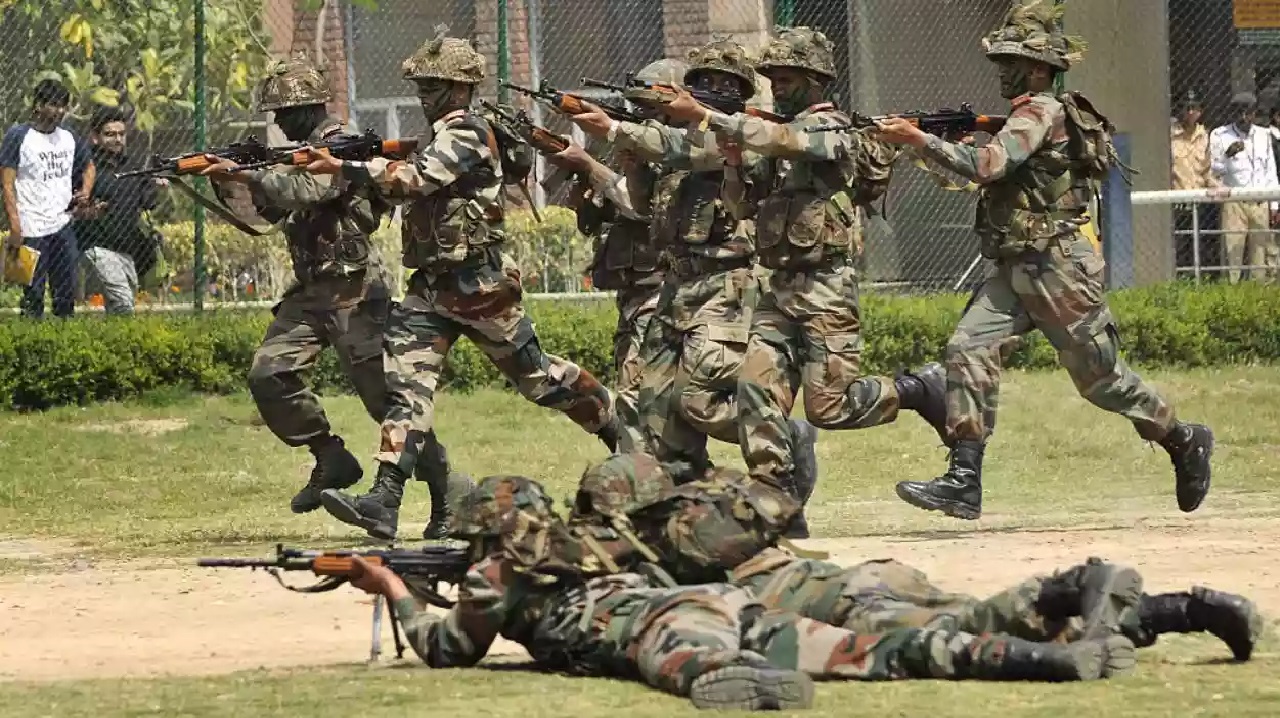
Border Drill Alert: Civilians Mobilized in Gujarat, Punjab, J&K, and Rajasthan for Emergency Response
Border States Prep Civilians for Emergency Response Drills; Public to Follow Safety Protocols During Mock Operations
As border tensions with Pakistan remain volatile following a recent four-day conflict, India’s border states — Gujarat, Punjab, Rajasthan, and Jammu & Kashmir — are preparing for full-scale emergency response mock drills on Thursday, May 29. These drills, sanctioned by the Central Government, aim to enhance civil defence readiness and equip civilians with critical survival protocols during potential cross-border hostilities.
The Role and Importance of Civic Mock Drills
Mock drills are not merely symbolic exercises — they serve as vital simulations of emergency situations that test the preparedness of both administrative machinery and civilians. Whether it’s air raid sirens, rapid evacuation routes, firefighting, or rescue operations, these drills help ensure that everyone from officials to ordinary citizens understands their role in a real crisis.
“Civil preparedness is the bedrock of national security,” says Tina Dabi, District Collector of Barmer, Rajasthan. She emphasized that Thursday’s drill will focus on areas closest to the Pakistan border, ensuring maximum alertness among populations most vulnerable to an attack.
Drills in the Aftermath of Operation Sindoor
This isn’t an isolated exercise. It follows Operation Abhyas, a national-level drill held on May 7 — the precursor to Operation Sindoor, India’s recent large-scale military response to cross-border aggression. During Operation Abhyas, air raid sirens echoed across 250 locations, and thousands of students and civilians were trained in emergency procedures.
In Punjab, which shares a 532-kilometre border with Pakistan, districts like Amritsar and Ferozepur were placed on high alert. Schools were closed, public gatherings were banned, and quick response teams were mobilized. Rajasthan, with an even longer border stretch of 1,037 kilometres, took similar steps by suspending academic activities in sensitive areas.
Impact and Preparedness: Testing Infrastructure and People
These drills are multifaceted. They not only test the operational readiness of control rooms, warning systems, and civil defence networks, but also measure the public’s awareness and responsiveness. It’s a collective effort that simulates worst-case scenarios to expose weaknesses before real emergencies occur.
Such initiatives also foster public trust in governmental response systems. When civilians are trained in how to react — whether it’s taking shelter during an air raid or assisting with basic first aid — they become active participants in national resilience, rather than passive bystanders.
A Call for Calm and Cooperation
Authorities stress that while these drills may resemble wartime conditions, there is no immediate threat. The goal is preparedness, not panic. Civilians are urged to cooperate fully, follow instructions, and treat the simulation with the seriousness it deserves.
Preparedness is Peace
In a region historically marred by cross-border skirmishes, civil readiness can make the difference between chaos and controlled response. Drills like these are not just government protocols; they are acts of proactive peacebuilding, ensuring that when crisis strikes, confusion doesn’t.
In a world where conflict can ignite in minutes, preparedness is not an option — it’s a necessity. The upcoming drills are a reminder that security isn’t only about armed forces on the frontlines, but about informed and empowered civilians behind them.
(With agency inputs)