



A Long-Standing Dispute Rekindled
The Thailand–Cambodia border has long been a fault line of unresolved territorial claims, historical tensions, and nationalistic fervor. At the heart of the dispute lies sovereignty over ancient temple complexes such as Preah Vihear and Ta Moan Thom, located near the shared border. While occasional skirmishes have flared over the years, both nations had largely maintained an uneasy peace through diplomatic engagement and international mediation. That fragile calm has now shattered, as deadly clashes have erupted, leading to civilian casualties and military escalation on both sides.
The Spark: Cambodian Shelling Hits Thai Civilians
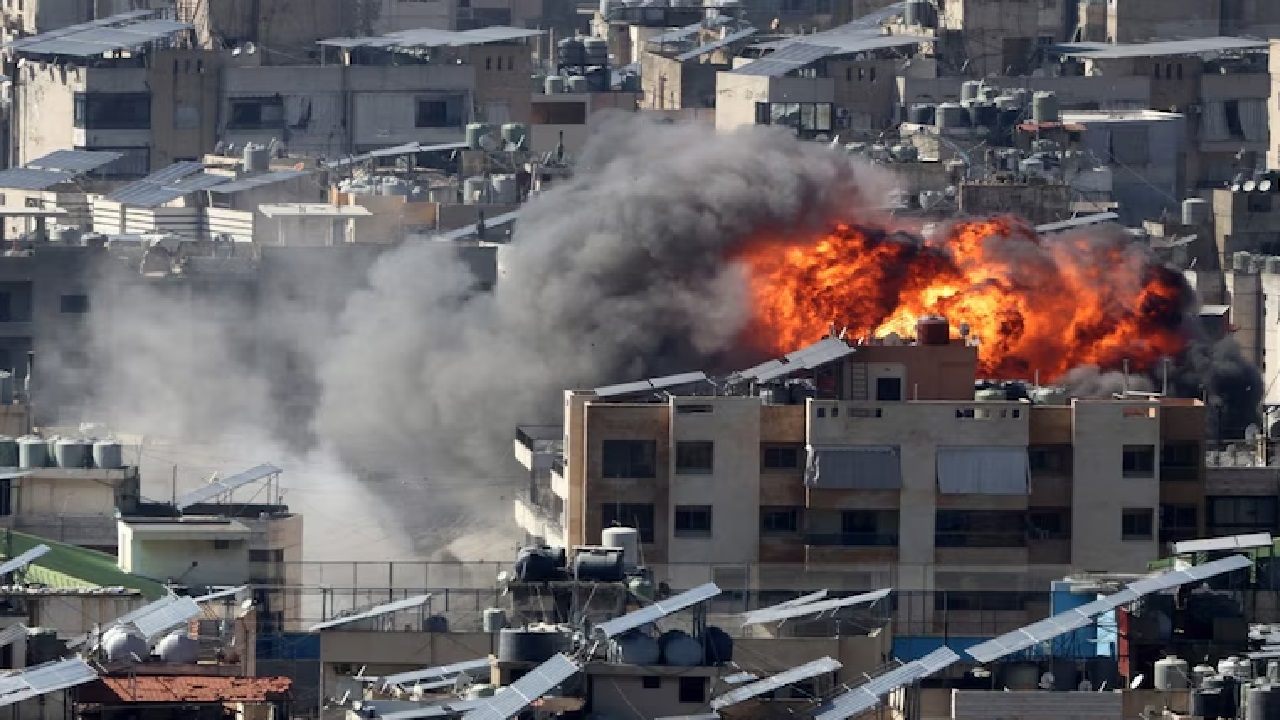
The recent escalation began when Cambodian forces allegedly fired artillery shells into Thailand’s Surin province, killing two civilians and injuring three others, including a five-year-old boy. Thai authorities said the attack struck a residential area, prompting swift condemnation and immediate military response. The Thai Defence Ministry, through spokesperson Surasant Kongsiri, reported simultaneous clashes breaking out at six different points along the border.
In retaliation, the Thai military launched airstrikes targeting Cambodian positions across the border. Six F-16 fighter jets were reportedly deployed, with at least one confirmed to have bombed a Cambodian military installation. The strikes reportedly hit targets near the ancient Preah Vihear temple—an area historically disputed and symbolically sensitive to both countries.
Border Turns Battlefield: Clashes Across Key Zones
According to Thai military sources, tensions began to spike when Cambodia flew a surveillance drone over contested territory near Ta Moan Thom temple in Cambodia’s Oddar Meanchey province. This was followed by alleged cross-border incursions by Cambodian troops armed with BM-21 rocket launchers and heavy artillery.
Thailand accuses Cambodia of firing upon its forces and shelling deep into its territory, including a petrol station in Ban Phue town, 20 kilometers from the border in Sisaket province, killing at least three people. In response, Thailand activated a rapid deployment of air and artillery units, hitting multiple Cambodian positions near Ta Moan Thom, Ta Krabey, and the Mom Bei area.
Thai authorities have confirmed the evacuation of over 40,000 residents from 86 villages along the border, signaling both the scale and severity of the unfolding crisis.
Cambodia’s Response: Self-Defense or Escalation?
The Cambodian side has firmly denied initiating the aggression. The Cambodian Ministry of Defence claimed its troops acted in self-defense following unprovoked attacks by Thai forces. Prime Minister Hun Manet has publicly condemned the Thai airstrikes as an “armed invasion,” asserting that Cambodia had no choice but to retaliate.
In a defiant social media post, Hun Manet declared, “Cambodia has always sought peaceful solutions, but in this case, we have no choice but to respond with force.” He confirmed Thai airstrikes had targeted Cambodian units near significant religious and cultural sites, escalating what had begun as a border skirmish into a military confrontation.
Thailand’s Stand: Defending Sovereignty, Preparing for Escalation
Thailand has stepped up its rhetoric, accusing Cambodia of violating international law by attacking hospitals and civilian infrastructure. The Thai Foreign Ministry released a stern warning that any further “military aggression” would be met with escalated defensive measures. Deputy army spokesperson Richa Suksuwanon confirmed that air power had been used “as planned,” emphasizing that Thailand’s actions were confined to legitimate military targets.
With airstrikes already underway and both sides trading accusations of targeting civilians, the possibility of further escalation remains dangerously high.
A Fragile Peace Shattered
The latest confrontation between Thailand and Cambodia marks one of the most serious escalations in their modern history. What began as a localized incident has quickly transformed into a regional flashpoint with both nations exchanging fire, rhetoric, and threats. As troops mobilize and diplomacy falters, the risk of a broader conflict looms.
For the sake of regional stability and civilian safety, immediate international mediation is crucial. Without restraint and renewed diplomatic engagement, the historical wounds of the Thai-Cambodian border dispute threaten to ignite a full-scale war—one neither side can afford.
(With agency inputs)