A Historic Push Against Insurgency
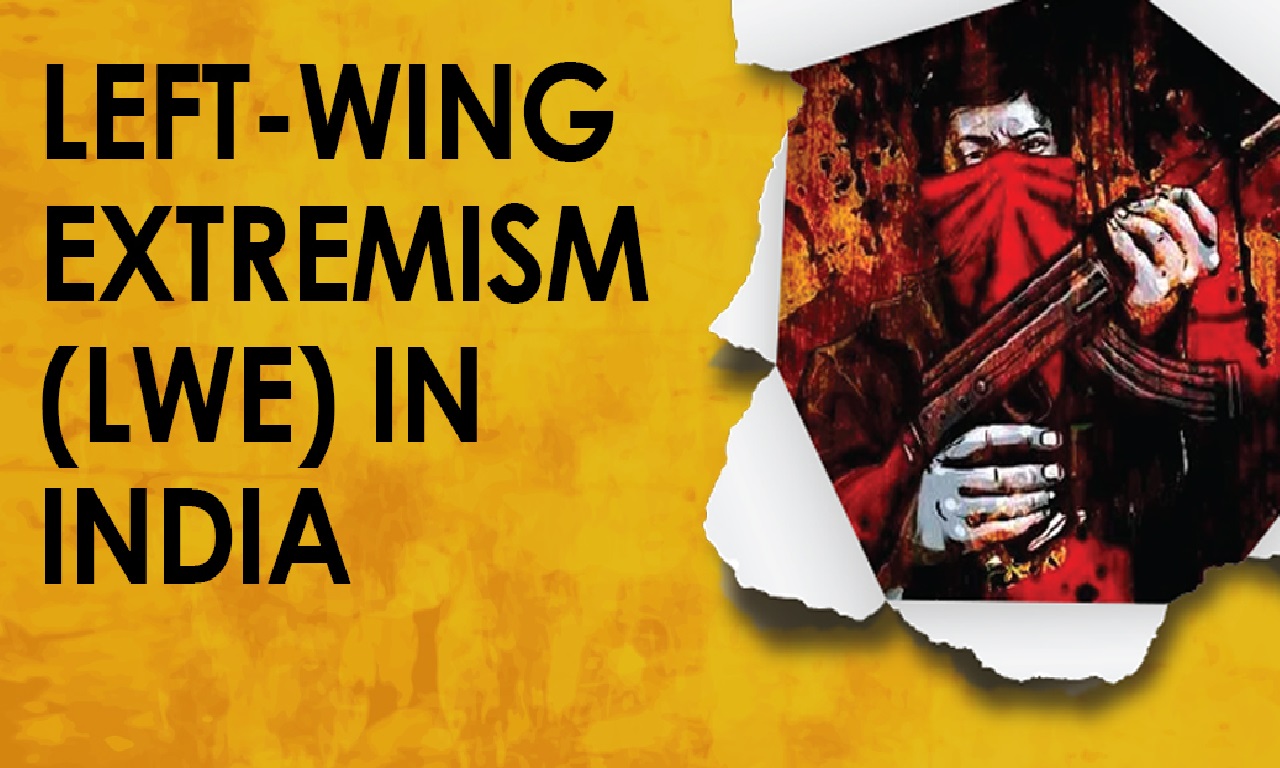
In a landmark moment in India’s counter-insurgency history, security forces have delivered a crippling blow to Left Wing Extremism (LWE) across the Chhattisgarh-Telangana border. From April 21 to May 11, 2025, Indian forces executed one of their most successful anti-Maoist campaigns in the Karreguttalu Hill region (KGH), historically a Maoist fortress. The result: 31 Maoists neutralized, including 16 women combatants, without a single casualty among security personnel.
But this is more than a tactical victory. It marks a defining moment in India’s decades-long battle against Naxalism—a movement born in 1967 in West Bengal’s Naxalbari, once spread across a vast “Red Corridor,” and responsible for over 10,000 deaths. Today, the state is not just pushing back; it is reclaiming ground, restoring governance, and rewriting the narrative.
From Bloodshed to Breakthroughs: The Recent Campaigns
The spring 2025 operations were strategic, swift, and surgical. In Bijapur, CoBRA commandos and Chhattisgarh Police arrested 22 Maoists and recovered advanced arms and IEDs. In Sukma, 33 Maoists surrendered peacefully—including 11 in Badesetti Panchayat, now officially declared “Naxal-free.” Then came the biggest success: On May 21, a joint operation in the Abujmarh forests of Narayanpur district resulted in the elimination of 27 Maoists.
These successes are not isolated. They reflect a systemic collapse of Maoist morale, coordination, and ideological hold—an outcome of India’s integrated counter-extremism strategy launched nearly a decade ago.
Understanding the Maoist Crisis
Maoism in India arose from socio-economic neglect, tribal marginalization, and disenchantment with democratic processes. Maoists have long claimed to represent the rights of Adivasis and Dalits. Yet, their methods—ambushes, extortion, destruction of schools and roads, child recruitment, and killing of local leaders—betrayed the very people they claimed to champion.
At its peak in 2010, LWE violence touched 1,936 incidents across 126 districts. Today, the number has dropped to 374 violent events in just 38 districts—a reduction of over 80%. Civilian and security fatalities are down by 85%. This shift is neither incidental nor coincidental—it is the result of hard policy decisions.
The Integrated Strategy: Beyond the Barrel of a Gun
Recognizing that LWE cannot be countered by force alone, the Indian government in 2015 launched the National Policy and Action Plan to Combat LWE, a comprehensive initiative merging firepower with development.
Key components include:
· Security Investments:
₹3,260 crore through the Security-Related Expenditure (SRE) scheme; 280 security camps and 68 night-landing helipads built since 2019. Fortified police stations surged from 66 in 2014 to 612 in 2024.
· Infrastructure Development:
17,589 km of roads sanctioned; 14,618 km completed. 10,505 mobile towers planned, with 7,768 already functional—ensuring communication even in forested interiors.
· Civic Engagement and Welfare:
The Civic Action Programme (CAP) has spent ₹196 crore on community welfare. Over 1,000 bank branches, 937 ATMs, and 37,000 banking correspondents now serve previously disconnected populations.
· Education and Skills:
Launch of 48 Industrial Training Institutes (ITIs), 61 skill centers, and 178 Eklavya Model Residential Schools tailored for tribal youth.
· Legal and Financial Crackdown:
The National Investigation Agency (NIA) and Enforcement Directorate (ED) are now aggressively targeting Maoist financiers. In December 2023 alone, 380 Maoists were killed, 1,194 arrested, and over 1,045 surrendered.
A Political and Social Commitment
The fight against Naxalism is now deeply political. Prime Minister Narendra Modi’s launch of the Dharti Aaba Janjatiya Gram Utkarsh Abhiyan in October 2024 underlined this resolve. With plans to uplift 15,000 villages and impact 1.5 crore tribal citizens, the campaign underscores a shift from military victory to democratic inclusion.
Moreover, the reduction in most-affected districts—from 12 in 2010 to just 6 by 2024—is a clear indication that hearts and minds are being won, not just land.
A Nation Reclaims Its Heartland
India’s battle against Maoist extremism has reached a turning point. The bloodied trails of the Red Corridor are giving way to roads, schools, and ATM kiosks. With zero security force casualties in the latest operations, the Indian state is demonstrating more than just tactical superiority—it is showcasing moral legitimacy.
But this success is fragile if not followed by sustained engagement. Infrastructure must be complemented by justice; security by social empowerment. The goal is not just to eliminate Maoists but to remove the reasons they once thrived.
If the current trajectory continues—with robust governance, tribal upliftment, and sustained pressure—India could indeed realize its vision: a peaceful, integrated, and development-driven heartland, free from the shadows of extremism.
The battle may not be over, but the tide has turned.
(With agency inputs)