High-Stakes Contest as Bengal Heads to Polls
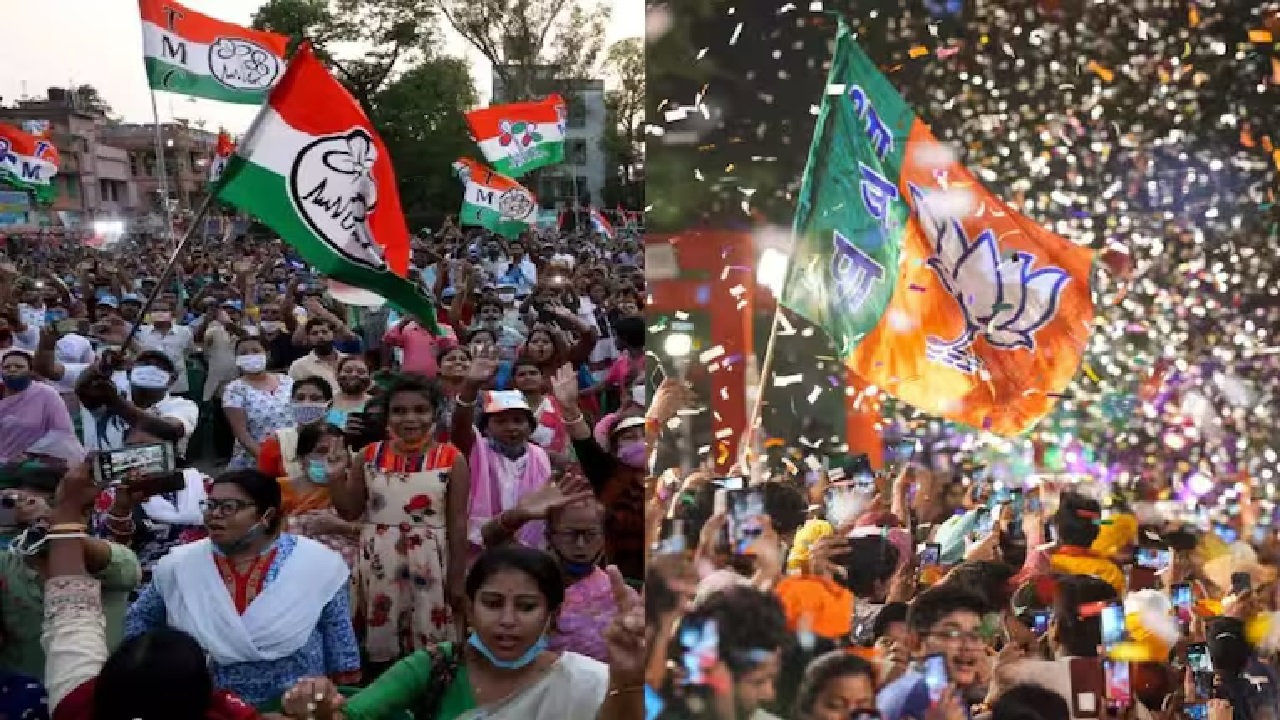
Can the Bharatiya Janata Party halt Mamata Banerjee from securing a fourth consecutive term in West Bengal? That question defines one of India’s most closely watched political battles, with assembly elections scheduled in multiple phases from April 23 to April 29, and results to be declared on May 4. The contest pits the ruling All India Trinamool Congress (TMC) against an increasingly assertive BJP seeking to expand its footprint in eastern India.
From Left Collapse to TMC Dominance
Mamata Banerjee’s rise in 2011 marked the end of 34 years of Left Front rule, reshaping Bengal’s political landscape. Since then, TMC has consolidated its position with successive victories—winning 184 seats in 2011, 213 in 2016, and 215 in 2021. Welfare schemes such as Lakshmir Bhandar and Swasthya Sathi have strengthened its support base, particularly among women and minority communities.
However, the BJP has steadily emerged as the principal challenger. From just three seats in 2016, it surged to 77 in 2021, backed by strong performance in the 2019 general elections. This transformation has turned Bengal into a direct TMC vs BJP contest.
Current Electoral Dynamics and Key Issues
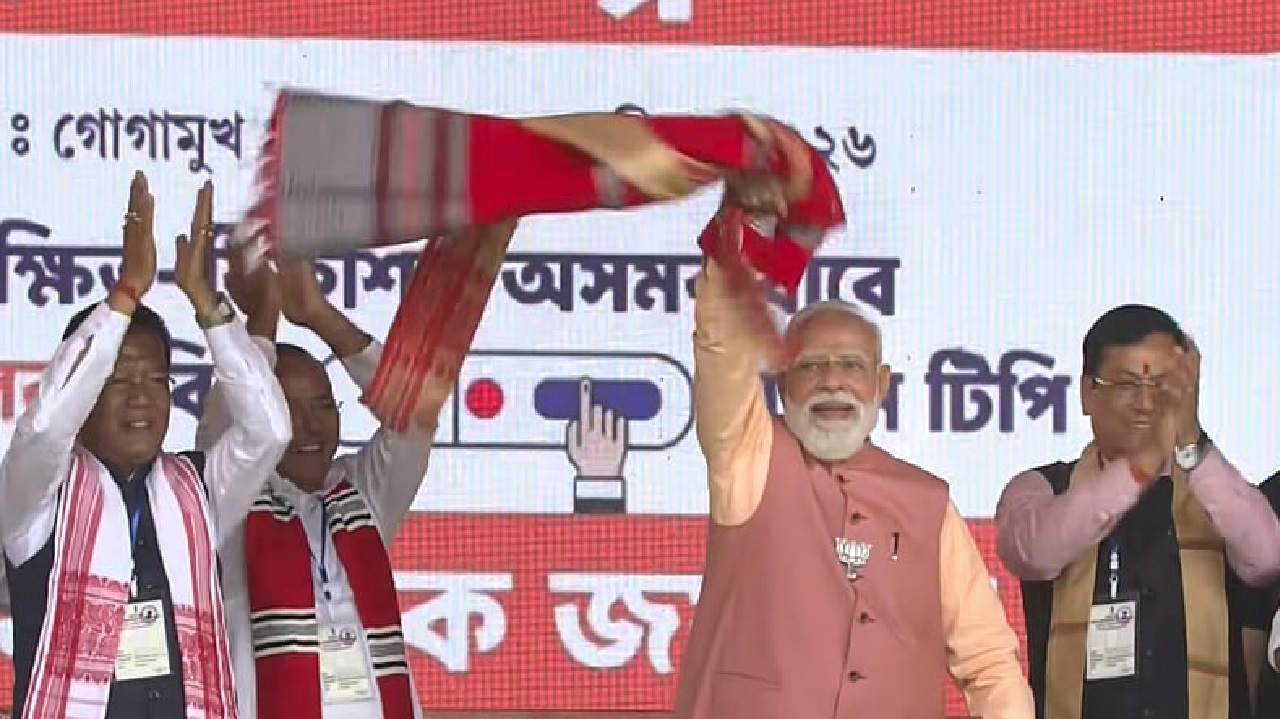
Opinion surveys suggest TMC remains ahead, projected to win between 180 and 200 seats, while BJP is expected to secure 70–90. The BJP campaign focuses on issues such as corruption, unemployment (hovering around 8%), and allegations of political violence. It is also banking on infrastructure development narratives driven by Prime Minister Narendra Modi.
TMC, on the other hand, is leveraging its welfare record and grassroots network, particularly in rural areas. It has also accused BJP of attempting to polarize voters along religious lines, while presenting itself as a defender of Bengal’s social fabric.
Vote Splits and Emerging Political Factors
New alliances and shifting voter blocs could influence outcomes. The entry of smaller players, including AIMIM-linked formations, may split minority votes in select constituencies—potentially benefiting BJP in tightly contested seats. Meanwhile, the Left and Congress struggle to regain relevance, with their vote share often indirectly aiding TMC.
Electoral roll revisions and campaign narratives around “outsiders” versus regional identity have further sharpened the contest, making voter mobilization a critical factor.
Why This Election Matters for BJP and TMC
For TMC, retaining power would reaffirm Mamata Banerjee’s dominance and strengthen her position as a key national opposition leader. A fourth consecutive win would also validate her governance model centered on welfare and regional identity.
For BJP, victory—or even significant gains—would mark a major breakthrough in a state where it has historically been weak. It would bolster the party’s expansion strategy beyond its traditional strongholds and carry momentum into future national and regional elections.
A Defining Electoral Moment
West Bengal stands at a crucial political moment. While TMC appears to have the edge, BJP’s steady rise ensures a competitive contest. The final outcome will depend on turnout, vote consolidation, and how effectively each party addresses voter concerns. Whether it results in continuity or a shift, this election will play a defining role in shaping both Bengal’s future and India’s broader political narrative.
(With agency inputs)