Pannun and the Strain on India-Canada Relations
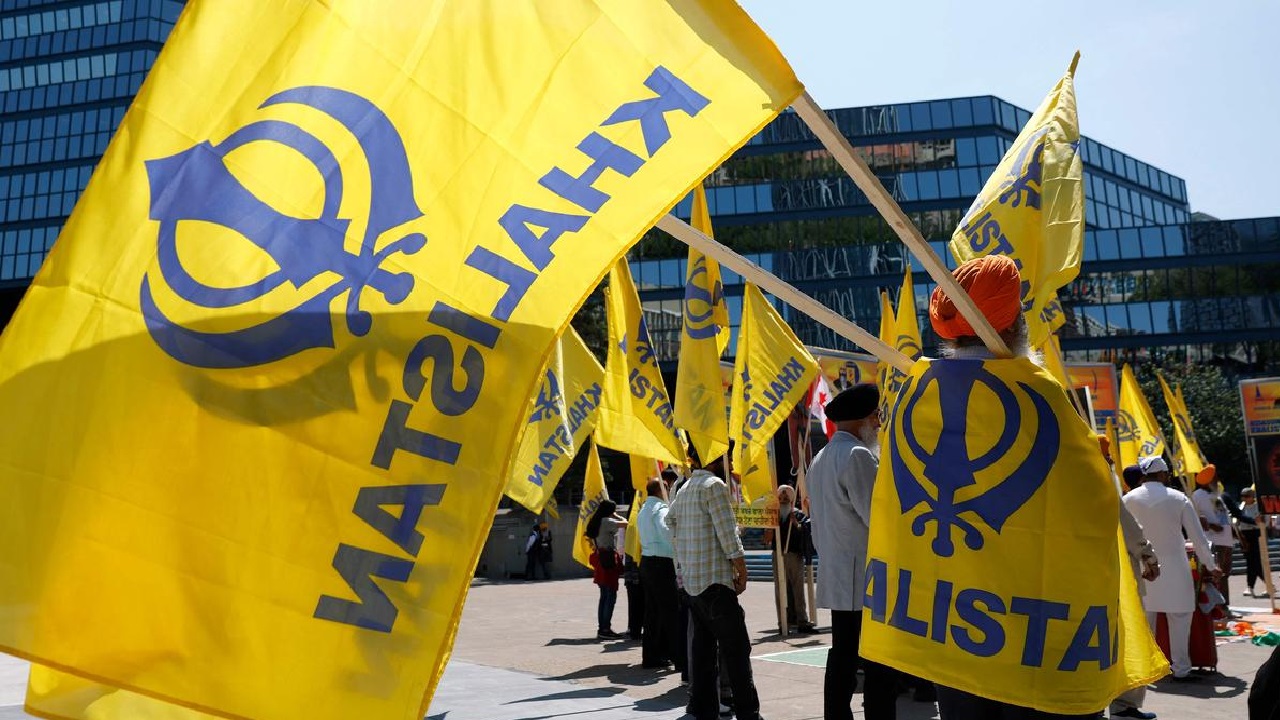
India-Canada relations faced unprecedented tension after the 2023 killing of Hardeep Singh Nijjar, a pro-Khalistan activist, in Canada. The incident, and subsequent allegations by then-Prime Minister Justin Trudeau linking India to the killing, prompted a major diplomatic fallout. India recalled its high commissioner and several diplomats, while Canada responded in kind. At the heart of this tension has been Gurpatwant Singh Pannun, a dual US-Canadian citizen and chief of the Sikh for Justice (SFJ) organization, designated a terrorist by India in 2019. Pannun’s activities, including organizing separatist campaigns under the guise of free speech, have long aggravated Indo-Canadian relations.
Arrest of Inderjit Singh Gosal
In a significant development, Canadian authorities arrested Inderjit Singh Gosal, a 36-year-old key aide and right-hand man of Pannun. Gosal, who also served as Pannun’s personal security officer, became a principal organizer for SFJ in Canada following Nijjar’s death in June 2023. He was detained in Ottawa on multiple charges, including firearms possession.
This marks Gosal’s second arrest within a year. In November 2024, he was arrested in connection with an attack on Hindu worshippers at a temple in the Greater Toronto Area (GTA) and for organizing the so-called Khalistan referendum in Canada. Despite his previous arrest, he had been granted conditional release by Peel Regional Police, highlighting earlier leniency towards separatist activities on Canadian soil.
Pannun’s Influence and Terror Network
Gosal’s arrest underscores the operational reach of Pannun, who has over 100 cases registered against him and SFJ, with around 60 in Punjab alone. India has consistently flagged Pannun’s activities as a serious threat to national security. SFJ’s campaigns, including organizing referendums for Khalistan in foreign countries, aim to mobilize the diaspora and provoke unrest in India. Gosal’s role as Pannun’s deputy makes him a critical figure in this network, facilitating planning, security, and outreach in Canada.
Thaw in India-Canada Relations
The arrest comes at a pivotal time as India and Canada are working to reset bilateral ties. Last month, both nations reappointed their high commissioners, signaling a return to normal diplomatic operations. Talks between National Security Advisors Ajit Doval and Nathalie Drouin focused on counterterrorism cooperation and transnational crime, marking a constructive shift from prior confrontations.
The April parliamentary election in Canada, which brought Liberal leader Mark Carney to power, provided a political context conducive to dialogue. High-level meetings, including discussions between Prime Minister Narendra Modi and Carney during the G7 summit, emphasized restoring stability and pursuing collaborative steps to prevent separatist activities from undermining bilateral relations.
Implications and Path Forward
Gosal’s arrest is likely to be seen by New Delhi as a concrete step towards holding separatist elements accountable and a sign of Canada’s evolving stance on domestic support for foreign terrorist organizations. It could pave the way for enhanced intelligence sharing, coordinated action against cross-border terror networks, and more trust in bilateral engagements.
However, India will continue to monitor Pannun and SFJ operations abroad, pressing for stricter enforcement to prevent diaspora-based radicalization. Maintaining this momentum will be crucial to ensure that India-Canada relations can fully recover from the strain of the past two years and evolve into a partnership capable of jointly addressing terrorism and global security challenges.
(With agency inputs)