India’s Infamous Gang Crosses Borders
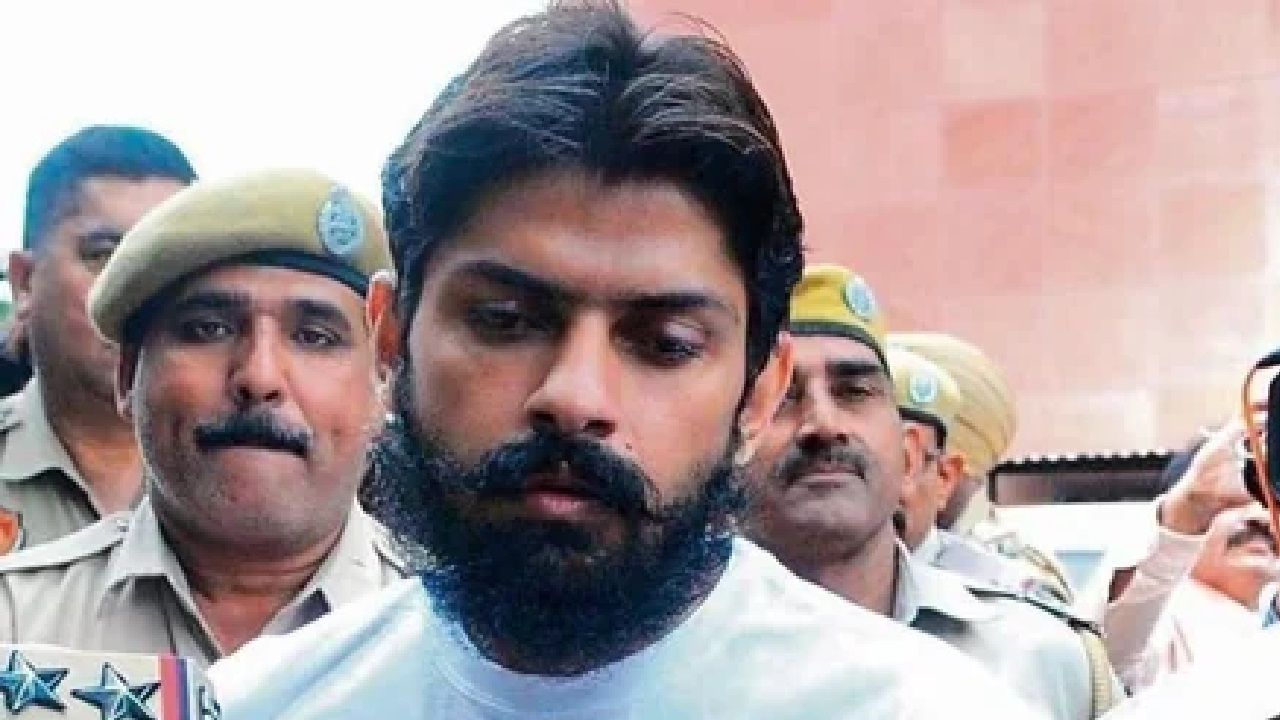
The Lawrence Bishnoi gang, one of India’s most feared organized crime syndicates, has now been formally branded a terrorist organization by Canada. The group, long notorious for its extortion rackets, contract killings, and intimidation in Punjab, Haryana, and Delhi, has increasingly extended its shadow overseas. Its leader, Lawrence Bishnoi, even from behind bars, commands influence through networks that stretch beyond India’s borders. Canada’s move is significant not just for law enforcement but also for the large South Asian diaspora in the country, many of whom have expressed concern over the gang’s growing reach.
Canada’s Official Move
On Monday, Canadian Public Safety Minister Gary Anandasangaree announced that the Bishnoi gang was being added to the list of terrorist entities under the Criminal Code. In a statement, he wrote: “Violence, terror, and intimidation of communities will never be tolerated in Canada.”
According to Public Safety Canada, the gang’s activities meet the legal definition of terrorism because they deliberately target specific communities to instill fear. The designation gives authorities sweeping powers: assets tied to the gang can now be frozen or seized, and providing support—financial or otherwise—to the group is criminalized. Immigration and border officials will also be able to deny entry to individuals with gang connections.
Impact on Law Enforcement
Canadian police, particularly in regions with a sizable South Asian population such as Peel Region, welcomed the decision. In a statement, they said the listing will strengthen their ability to fight crimes linked to the Bishnoi gang, including extortion, threats, and contract killings. The police emphasized that this measure is especially crucial for protecting Indian-origin communities who have often been the gang’s targets.
Bishnoi Gang’s Operations in India
In India, the Bishnoi gang has cultivated an image of raw power and notoriety. Its jailed leader, Lawrence Bishnoi, continues to pull strings with the help of close aides like Goldy Brar, who is based abroad. The gang became infamous worldwide following the murder of Punjabi singer Sidhu Moosewala in May 2022, killing police say was orchestrated as part of a gang rivalry.
The group has also made repeated threats to high-profile personalities. Bollywood star Salman Khan has lived under tight security after threats linked to the blackbuck poaching case, while other celebrities such as comedian Kapil Sharma have seen their businesses targeted—his café in Punjab was attacked earlier this year in what the gang claimed was retaliation for his ties with Khan.
Previous Instances of Criminal Groups Being Declared Terrorists
Canada’s action mirrors steps taken globally against transnational crime syndicates. For example, Italian mafia outfits and Mexican cartels have been hit with similar terror designations to curtail their international operations. In India, groups like D-Company, associated with Dawood Ibrahim, have been designated as terrorist organizations due to their cross-border criminal and terror activities. These precedents highlight how organized crime, when entwined with political intimidation and targeted violence, can move beyond conventional criminal law into the domain of counterterrorism.
A Message Beyond Borders
The decision to classify the Bishnoi gang as a terrorist group is more than a legal step; it’s a message that transnational criminal syndicates cannot exploit diaspora communities without consequences. While the move arms Canadian authorities with stronger tools to fight intimidation, the real challenge lies in dismantling the gang’s deeply entrenched cross-border networks.
For India, it underscores the need for closer global cooperation in tracking and prosecuting such criminal-terror nexuses. The Bishnoi gang may have thrived on fear and notoriety, but Canada’s decision signals a turning point: that its violent reach will now meet firm resistance on the international stage.
(With agency inputs)