A New Flashpoint in South Asia
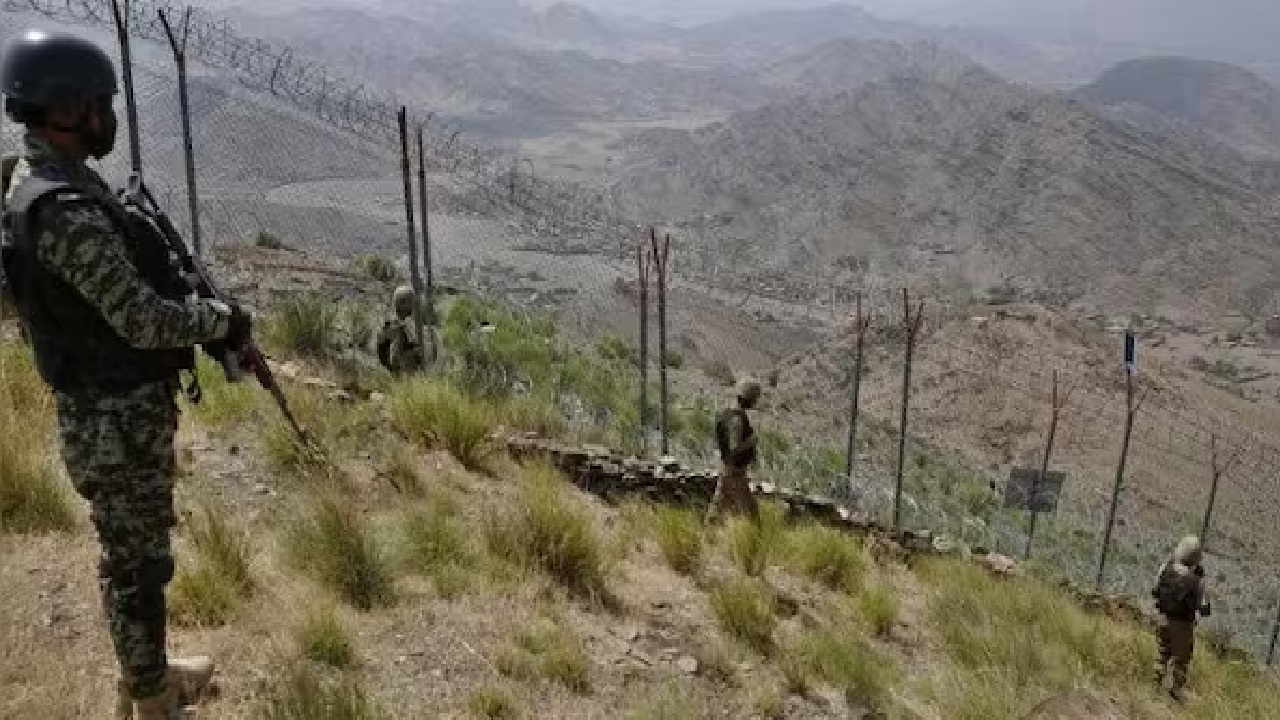
A deadly and unexpected border war has once again thrown Afghanistan and Pakistan into the global spotlight. The two uneasy neighbors, long bound by history and hostility, engaged in one of their fiercest confrontations in years, leaving hundreds dead and reigniting old tensions along the Durand Line, the colonial-era boundary that continues to divide the Pashtun heartland.
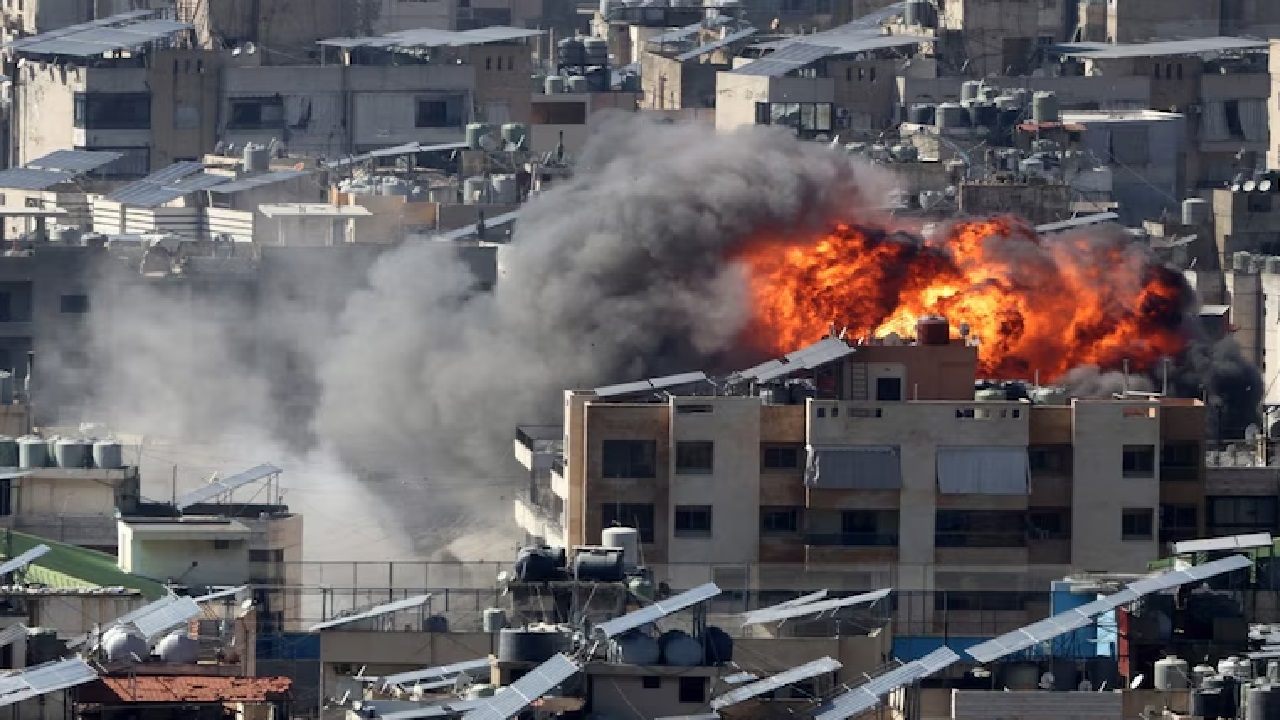
The conflict, marked by fighter jet raids, drone strikes, and mortar fire, erupted into full-scale warfare earlier this week before both sides agreed to a 48-hour ceasefire. What followed was not just a fragile pause in hostilities but a battle of words — over who actually sought peace first.
The Battle and the Claims
As calm tentatively returns to the Durand Line, the question echoing across the region remains: Who blinked first — Islamabad or Kabul?
According to Afghan officials, the Taliban-led Islamic Emirate of Afghanistan forced Pakistan to the negotiating table through sheer battlefield dominance. Ali Mohammad Haqmal, a senior official in Spin Boldak, declared that the Mujahideen “inflicted a heavy defeat” on Pakistani forces, prompting Islamabad to beg for a ceasefire.
Taliban spokesperson Zabihullah Mujahid reinforced this version, claiming that Pakistan requested the truce after suffering losses. He stated that Afghan forces had been instructed to observe the ceasefire “unless violated.”
Across the border, however, Pakistan’s narrative is dramatically different. Citing a senior military official, Karachi-based Dawn reported that the Taliban requested the ceasefire after facing a “powerful response” from the Pakistan Air Force and ground troops. Islamabad’s Foreign Office described the truce as a “mutual decision”, initiated by Kabul and effective for 48 hours starting 6 p.m. local time.
While Afghanistan called it open-ended, Pakistan insisted it was time-bound, setting off yet another war — this time of contradictory claims.
Behind the Ceasefire: Qatar Steps In
Though both governments initially avoided naming a mediator, diplomatic leaks soon pointed toward Qatar as the quiet broker. According to Dawn, Doha played a crucial role in facilitating communication between the warring sides.
Shortly after the ceasefire was declared, Pakistan’s Foreign Minister Ishaq Dar received a message from Qatar’s Minister of State for Foreign Affairs, Abdulaziz Al-Khulaifi, who praised Islamabad’s “constructive engagement.” Pakistan, in turn, thanked Qatar for its “positive role in promoting regional peace.”
Sources later confirmed that Pakistan had also reached out to Saudi Arabia, pleading for mediation amid fears of the conflict spiralling further. As one Pakistani official reportedly said, “For God’s sake, stop Afghans from fighting.”
The Fragile Line of Peace
Despite the truce, few believe the calm will last. There is no formal mechanism for sustained dialogue between Islamabad and the Taliban regime.
The Durand Line, drawn by the British in 1893, remains the core of their dispute. The Taliban never officially recognized it, and border skirmishes have been common since the group’s return to power in 2021. This time, however, the violence was deadlier than usual — stretching across Kandahar, Jalalabad, and Paktika, and even reaching Kabul, where explosions killed and wounded dozens.
Pakistan accused Kabul of harbouring Tehreek-e-Taliban Pakistan (TTP) militants who, Islamabad claims, use Afghan territory to attack Pakistani forces. Kabul denies this, countering that Pakistan routinely violates its sovereignty with cross-border strikes.
In a political twist, Pakistan’s Defence Minister Khawaja Asif attempted to blame India, alleging that “Kabul is fighting a proxy war for Delhi” — a claim New Delhi has not dignified with a response.
Operation Sindoor Revisited
Observers have drawn parallels between this episode and Operation Sindoor, a previous border standoff during which Pakistan sought mediation after suffering tactical setbacks. Once again, Islamabad’s appeal for third-party intervention — this time via Qatar and Saudi Arabia — suggests a familiar pattern.
Reports indicate that after suffering heavy Taliban counterattacks in Spin Boldak, Pakistan launched airstrikes deep inside Afghan territory, killing over 200 people, according to Kabul’s estimates. The Taliban responded by displaying captured Pakistani uniforms and weapons, claiming victory.
The death toll on both sides remains unclear, but the fighting marks the deadliest Pak–Afghan clashes in years.
A Ceasefire on Borrowed Time
For now, the guns have fallen silent — but peace remains precarious and politically loaded. Each side claims triumph; each insists the other sued for peace first. The involvement of Qatar as a mediator indicates that regional diplomacy stepped in where military might fail.
Analysts suggest that Islamabad blinked first, given its outreach to foreign mediators and its history of seeking external help to de-escalate border crises. Yet, beyond the propaganda, both nations face a shared burden — spiralling instability, militant threats, and economic exhaustion.
The 48-hour truce may temporarily halt the bloodshed, but without genuine dialogue and border clarity, the Durand Line remains a powder keg — one spark away from another devastating war between two uneasy neighbors.
(With agency inputs)