

Reimagining the Heart of India’s Capital
The Central Vista Redevelopment Project, unfolding in the core of New Delhi, is more than a physical makeover—it’s a transformative vision for the nation’s governance, public spaces, and democratic spirit. Designed to modernize administrative infrastructure, enhance coordination among ministries, and promote environmental sustainability, the project is a bold step toward creating a capital that mirrors India’s rising global stature.
Spearheaded by the Indian government, the initiative reflects a deep-rooted ambition to blend functionality with symbolism. Prime Minister Narendra Modi is set to inaugurate Kartavya Bhawan, the first of several new Secretariat complexes that will redefine how India’s government operates.
Kartavya Bhawan: A Hub of Modern Governance
Spanning around 1.5 lakh square metres across seven floors and two basement levels, Kartavya Bhawan will accommodate the offices of key ministries such as Home, External Affairs, Rural Development, Petroleum, MSME, and others. It aims to centralize operations that were once scattered across multiple buildings, fostering greater administrative efficiency.
Beyond structural sophistication, the complex is equipped with advanced features for energy conservation, including systems that reduce power usage by 30% and generate over 5.34 lakh units of electricity annually through renewable means. This aligns seamlessly with India’s commitment to climate-conscious development.
The Soul Behind the Stone: Central Vista as a National Symbol
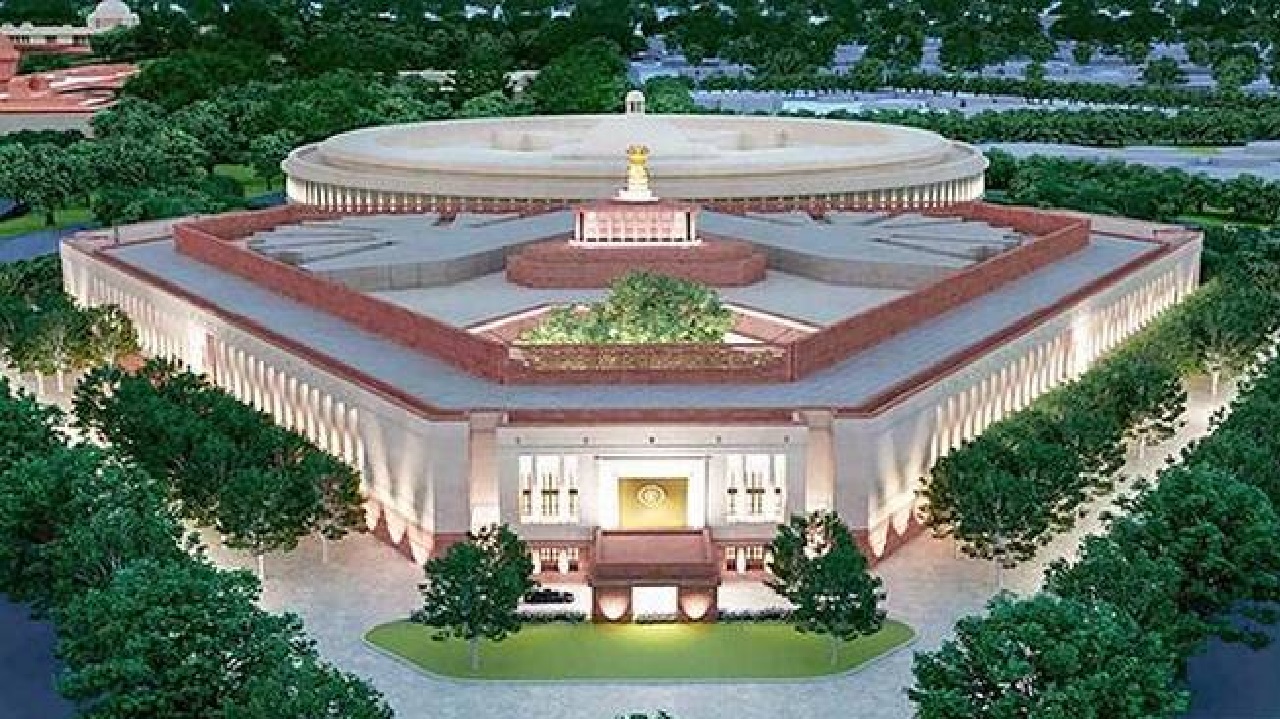
The Central Vista Redevelopment is not merely an infrastructure upgrade—it symbolizes the soul of a resurgent India. The master plan includes a new Parliament building, integrated Secretariat blocks, and revitalized public spaces, positioning the capital as both a nerve center for governance and a place for citizens to connect with their country’s democratic ethos.
By placing all 51 ministries in 10 interconnected buildings, the project ensures closer inter-departmental coordination and faster decision-making. Modular layouts and smart design will offer the flexibility to adapt to future administrative needs, fostering a more dynamic and responsive government apparatus.
From Rajpath to Kartavya Path: A Cultural Reawakening
The renaming of Rajpath to Kartavya Path is one of the project’s most significant symbolic gestures. Moving away from a legacy of imperial grandeur, the new name—meaning “Path of Duty”—invokes a spirit of collective responsibility. It signals a shift from hierarchical power to participatory governance and underscores the vital role of citizens in building the nation.
The rejuvenated Kartavya Path, stretching toward India Gate, is now a people-centric promenade featuring enhanced landscaping, pedestrian pathways, and civic amenities—creating a vibrant social space in the heart of the capital.
A Sustainable Future Through Green Design
A key focus of the redevelopment is environmental sustainability. By promoting the use of public transport, ensuring walkable zones, and increasing green cover, the project seeks to reduce carbon emissions while creating a healthier urban ecosystem.
The use of energy-efficient materials and eco-friendly technologies in construction further reinforces India’s climate goals. Not just future-proof, the Central Vista complex is also globally benchmarked, integrating infrastructure and technology that meet international standards.
Public Benefit: Museums, Parks, and Civic Spaces
The transformation extends beyond administration. Around 80,000 sq m of space in the iconic North and South Blocks will be converted into a National Museum complex, opening up heritage-rich zones to the public. Cultural landmarks such as the National Museum, Indira Gandhi National Centre for the Arts (IGNCA), and the new India Gate Plaza will offer immersive historical experiences.
Designated areas for public events, tourism, and recreation will turn the redeveloped space into a social and cultural magnet, fostering civic engagement while preserving architectural heritage.
India’s Capital, Reimagined for the People
The Central Vista Project stands at the intersection of heritage and modernity. It represents a profound rethinking of how India’s capital functions—not just as an administrative hub but as a living, breathing symbol of democracy. With its state-of-the-art workspaces, green public realms, and people-first philosophy, it brings governance closer to the citizens while paving the way for a sustainable and integrated future.
This isn’t just a facelift; it’s the emergence of a new India, where streamlined governance, ecological responsibility, and public participation are at the core of national progress.
(With agency inputs)