A Star Banker and a Scandal That Shook India’s Banking Sector
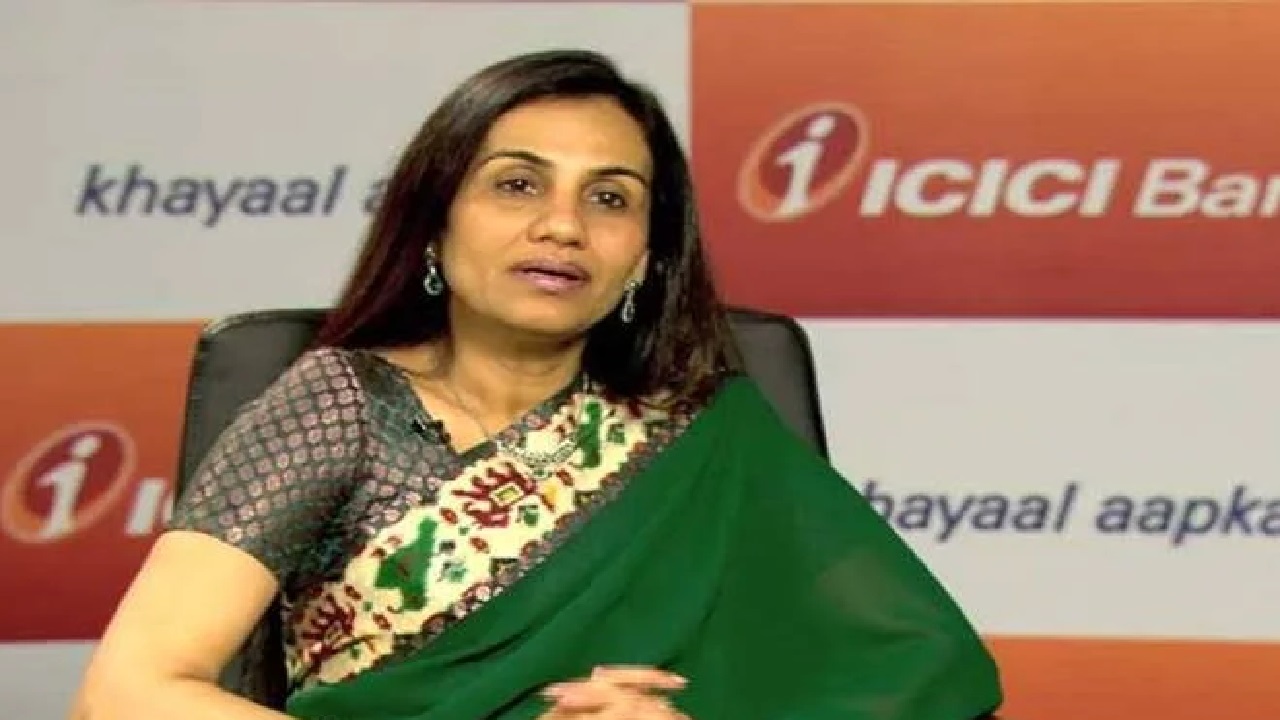
Chanda Kochhar was once hailed as a trailblazer in Indian finance—a symbol of merit, ambition, and women’s leadership in corporate India. As CEO and Managing Director of ICICI Bank, the country’s second-largest private lender, Kochhar wielded significant influence over India’s banking landscape. However, that reputation began to unravel in 2018 following allegations of impropriety in a loan sanctioned to the Videocon Group.
What followed was a years-long investigation into alleged conflict of interest, corporate malfeasance, and abuse of power at the highest levels of banking. Now, with a July 2025 ruling by the SAFEMA Appellate Tribunal, Kochhar has been formally found guilty of receiving a ₹64 crore bribe tied directly to her sanctioning of a ₹300 crore loan to Videocon in 2009.
The Loan That Sparked the Scandal
The ICICI–Videocon loan case dates back to June 2009, when ICICI Bank—under Chanda Kochhar’s leadership—approved a ₹300 crore loan to Videocon International Electronics Ltd, a company led by industrialist Venugopal Dhoot. This loan was part of a larger ₹1,875 crore credit facility extended by the bank to multiple Videocon group companies.
The controversy erupted when it emerged that just a day after the loan was disbursed, ₹64 crore was transferred from Videocon to NuPower Renewables Pvt Ltd, a company owned by Kochhar’s husband, Deepak Kochhar. The funds were routed via Supreme Energy Pvt Ltd, which had links to Videocon, clearly indicating a possible quid pro quo arrangement.
SAFEMA Tribunal’s Verdict: Clear Evidence of Bribery
On July 3, 2025, the Appellate Tribunal under the Smugglers and Foreign Exchange Manipulators (Forfeiture of Property) Act (SAFEMA) overturned a 2020 ruling that had released Kochhar’s seized assets. The tribunal ruled that the ₹64 crore transfer constituted a bribe, directly linking it to the ₹300 crore loan sanctioned by ICICI Bank.
The tribunal criticised the earlier adjudication for relying on “irrelevant considerations” and ignoring key facts. It accepted the Enforcement Directorate’s (ED) assertion that the funds received by NuPower Renewables were “proceeds of crime,” and upheld the attachment of Kochhar’s assets, including a high-end flat in Mumbai’s Churchgate.
Importantly, the tribunal rejected Kochhar’s defense that the loan was approved by a committee and that she was unaware of her husband’s dealings. As MD and CEO, it held, she bore responsibility for the bank’s decisions.
The Investigation: From Whistleblower to Courtroom
The first signs of trouble appeared in 2016, when whistleblower complaints highlighted a potential conflict of interest in ICICI’s loan disbursements to Videocon. This led to a preliminary enquiry by the Central Bureau of Investigation (CBI) in 2018, culminating in a formal First Information Report (FIR) in 2019 against Chanda Kochhar, Deepak Kochhar, and Venugopal Dhoot.
In December 2022, the trio was arrested under charges of criminal conspiracy, cheating, and misuse of official position. Though they were later released on bail, investigations continued under the supervision of the Supreme Court of India.
The ED’s probe, supported by financial and transactional records, played a key role in tracing the fund flow between Videocon and NuPower—confirming the chain of events that has now led to this landmark ruling.
Implications for ICICI Bank and Corporate Governance
This case has once again spotlighted the glaring gaps in corporate governance within India’s banking sector. The tribunal’s ruling affirms that top executives cannot operate above scrutiny, especially when personal gain intersects with fiduciary responsibilities.
While ICICI Bank has distanced itself from Kochhar since her resignation in October 2018, the scandal remains a cautionary tale. The bank has not issued any fresh statement following the tribunal’s decision, but the impact on its institutional memory and brand equity remains significant.
The ruling also strengthens the ED’s case, sending a strong signal that regulatory agencies are willing to pursue high-profile offenders—even when the evidence is complex and politically sensitive.
What Lies Ahead: Legal Battles and Broader Lessons
Though the tribunal’s verdict is a major milestone, the legal proceedings are far from over. Appeals are likely, and both the ED and CBI continue to develop their respective cases. With the Supreme Court monitoring developments, the matter will stay in public and judicial focus for months, if not years, to come.
For India, this case is not just about one executive’s fall from grace. It is about the growing public demand for accountability at the highest levels of corporate leadership. As regulatory institutions assert their authority, the ICICI–Videocon scandal stands as a defining episode in India’s evolving fight against financial crime and high-level corruption.
A Fall from Grace, and a System Awakening
Once a celebrated face of Indian banking, Chanda Kochhar’s dramatic downfall is now legally enshrined as a case of corruption and breach of public trust. The ₹64 crore bribe she received has cost more than money—it has eroded faith in corporate ethics and re-emphasised the need for stronger checks within India’s financial system.
But in that downfall lies a lesson: that even the most powerful figures must answer for their actions, and that no institution—however influential—is immune to scrutiny.
(With agency inputs)