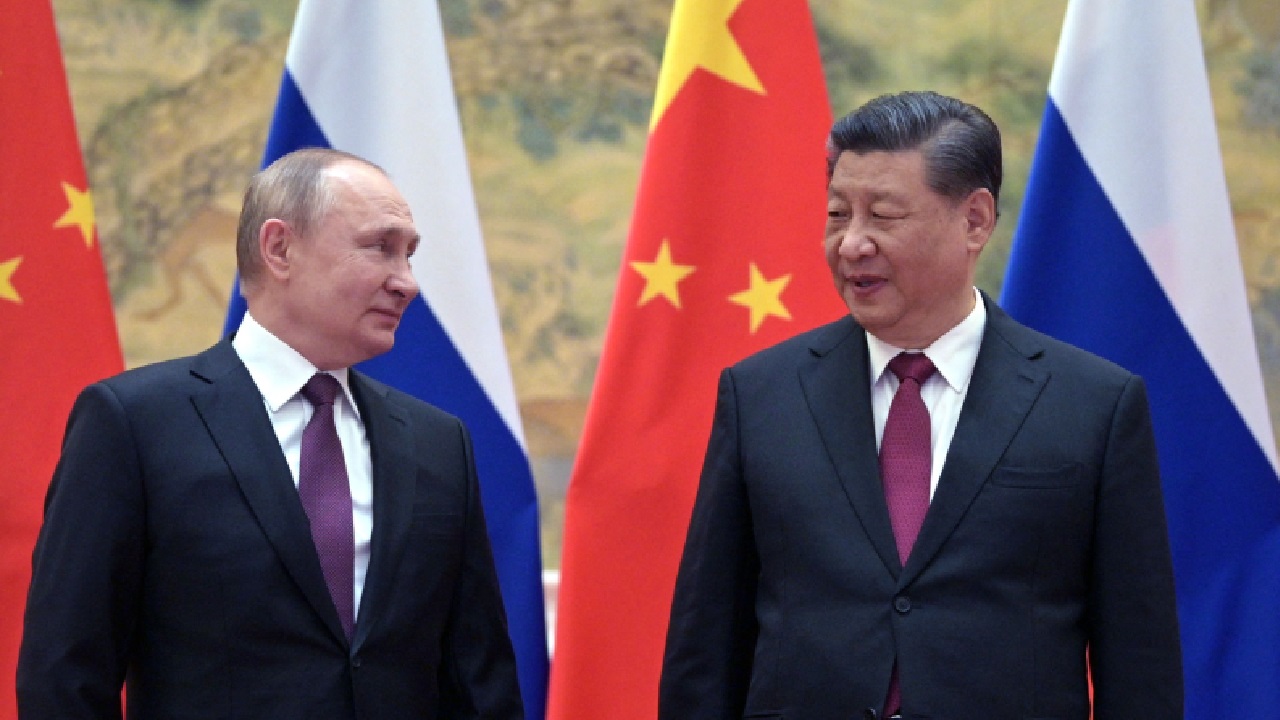
China’s Grip Over Moscow: A New Strategic Reality
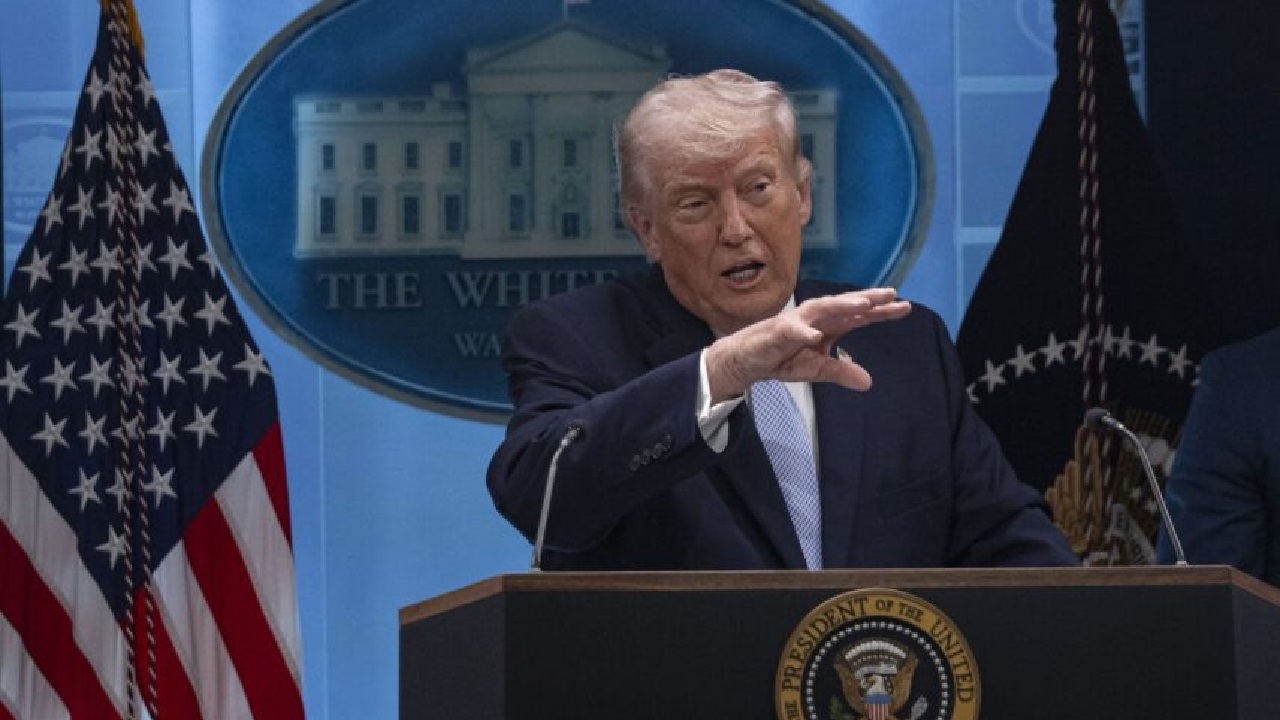
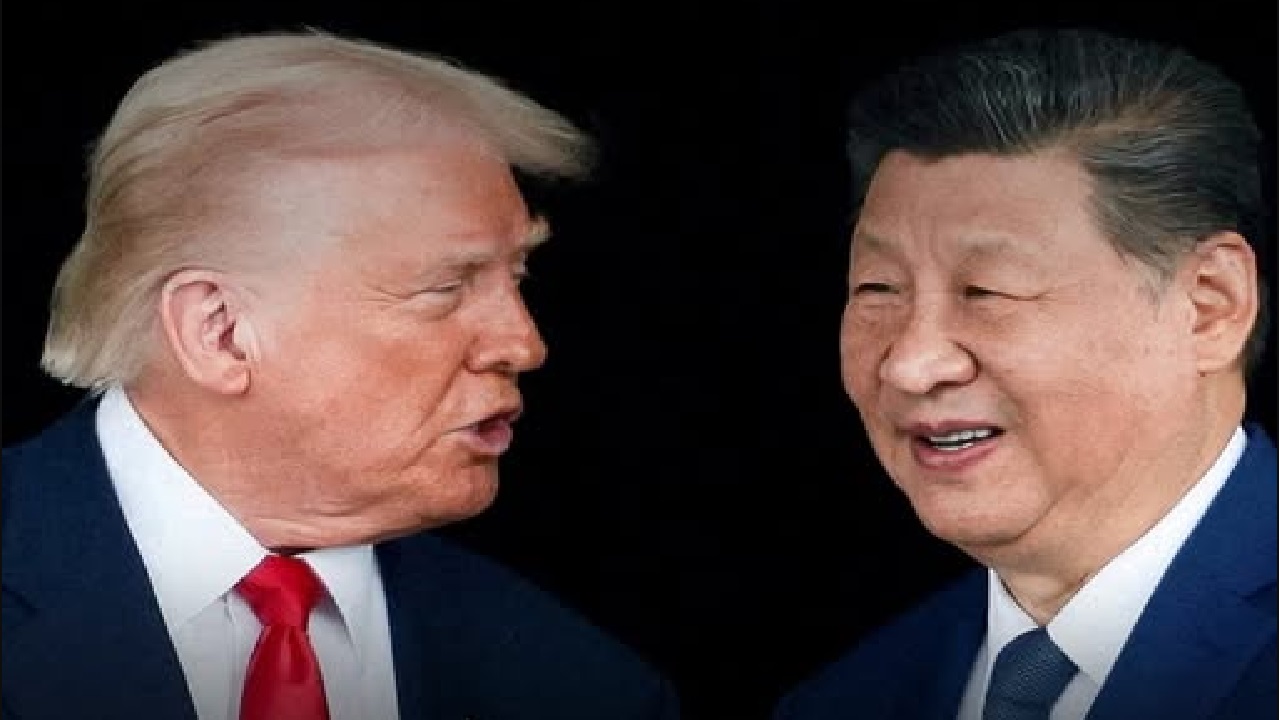
The global debate over the Ukraine conflict has increasingly shifted toward Beijing’s role in sustaining Moscow’s war effort. Long seen as Russia’s closest strategic partner, China now faces mounting pressure from Washington and European capitals. U.S. President Donald Trump bluntly remarked that Beijing “has a strong grip over Russia,” while Ukrainian President Volodymyr Zelenskyy stressed that influencing China is key to ending the nearly four-year conflict. Analysts widely agree that Russia’s reliance on Beijing—economically and politically—has deepened to the point where Moscow appears the junior partner in this alliance.
From India to China: Shifting Western Focus
Until recently, India had been singled out for buying Russian crude, with U.S. officials accusing New Delhi of indirectly “funding the war machine.” Washington even imposed tariffs of up to 50% on Indian exports in response to oil imports worth $56 billion last year. But the spotlight has now turned toward Beijing, reflecting a recalibration of priorities in Western capitals. While India remains a significant buyer of discounted Russian oil, its role is increasingly viewed through a strategic prism of balancing relations with both Washington and Moscow. For now, the sharper criticisms are directed at China’s deeper, systemic support for Russia’s economy.
Zelenskyy’s Plea to the West
Speaking at the Yalta European Strategy (YES) Annual Meeting in Kyiv, Zelenskyy underscored the urgency of persuading Beijing to use its influence constructively. “Russia will, in any case, remain dependent on China,” he said, urging the U.S., Europe, and G7 nations to find ways to motivate Beijing toward a path without war. Yet, he admitted that no signs of willingness have emerged from China so far. His comments came amid ongoing frustrations with Russia, which continues to escalate strikes despite diplomatic overtures, including Putin’s meeting with Trump in Alaska last month.
Trump’s Growing Frustration and Sanctions Push
General Keith Kellogg, Trump’s envoy for Ukraine, warned that the U.S. president is becoming increasingly impatient with Moscow’s maneuvers. Trump himself has threatened sweeping sanctions—not just on Russia but also on China. He suggested NATO collectively impose tariffs of up to 100% on Chinese goods, with the promise of lifting them once the war concludes. He also insisted that further sanctions on Russia would only work if NATO nations uniformly stopped purchasing Russian oil, an area where European states remain deeply entangled.
European Allies Signal Tougher Measures
European leaders echoed this hardening stance at the Kyiv forum. Finnish President Alexander Stubb emphasized the need for “secondary sanctions” on third countries enabling Russian exports, pointing to earlier measures that nudged India into talks with Washington. British Foreign Secretary Yvette Cooper stressed targeting the Russian “shadow fleet” and companies facilitating energy sales, signaling that the net of sanctions could soon widen. The European Union’s latest package already restricts refined Russian crude products processed in India, underscoring its willingness to tighten controls on global energy flows.
A Pattern of Reluctant Partners
The West’s frustration is compounded by a broader pattern: Russia continues to find buyers for its resources, despite sanctions designed to strangle revenues. The EU itself remains a major importer of Russian gas and minerals, spending over €67 billion in 2024 alone. Critics argue that this undercuts the moral clarity of sanctioning others while Europe remains tethered to Russian supplies. By contrast, China has cemented its role as Moscow’s lifeline, providing markets, technology, and political backing that collectively blunt the West’s punitive measures.
Testing Global Resolve
The renewed focus on Beijing marks a pivotal turn in the Ukraine conflict’s diplomatic theater. By framing Russia as a junior partner increasingly dependent on China, Western leaders aim to shift pressure toward the one actor capable of altering Moscow’s calculus. Yet the challenge lies in motivating Beijing without triggering broader geopolitical confrontation. For India, the change in Western rhetoric provides temporary relief, though its balancing act remains delicate. Ultimately, unless China recalibrates its stance, the war is unlikely to see resolution through economic pressure alone. Instead, this moment tests whether the U.S., Europe, and their allies can align strategy, sanctions, and diplomacy to reshape the incentives of both Moscow and Beijing.
(With agency inputs)