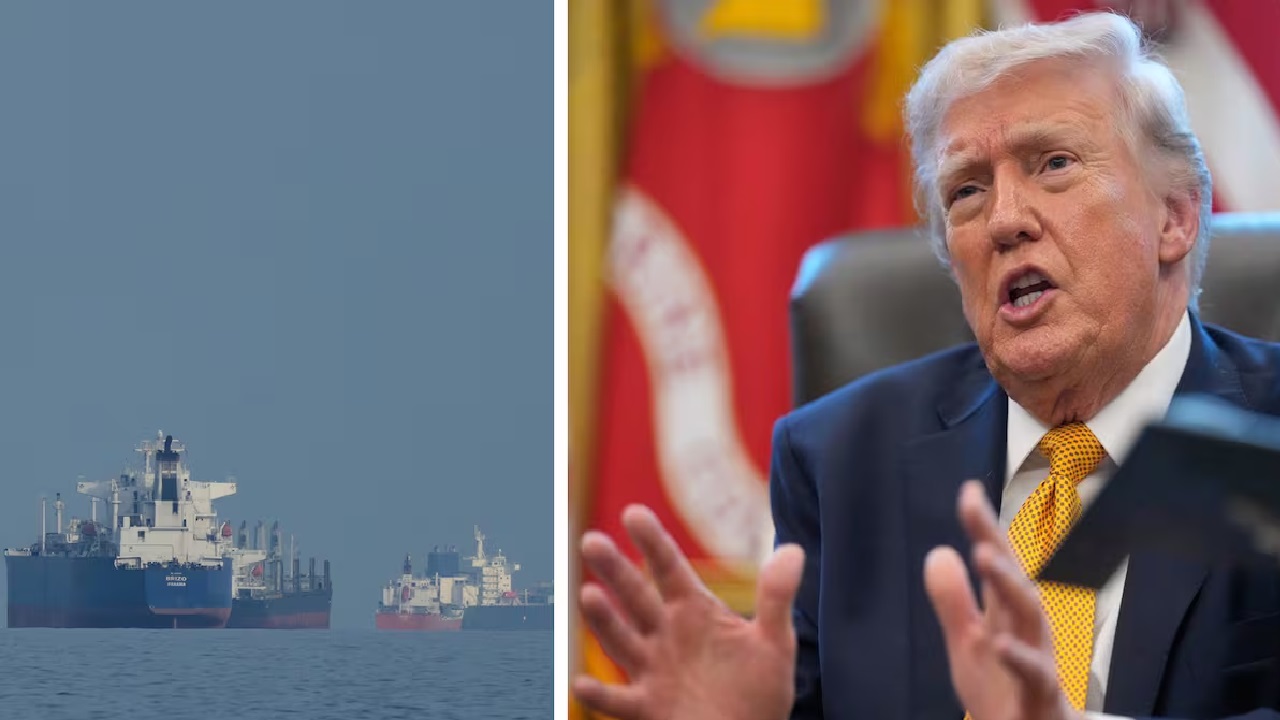



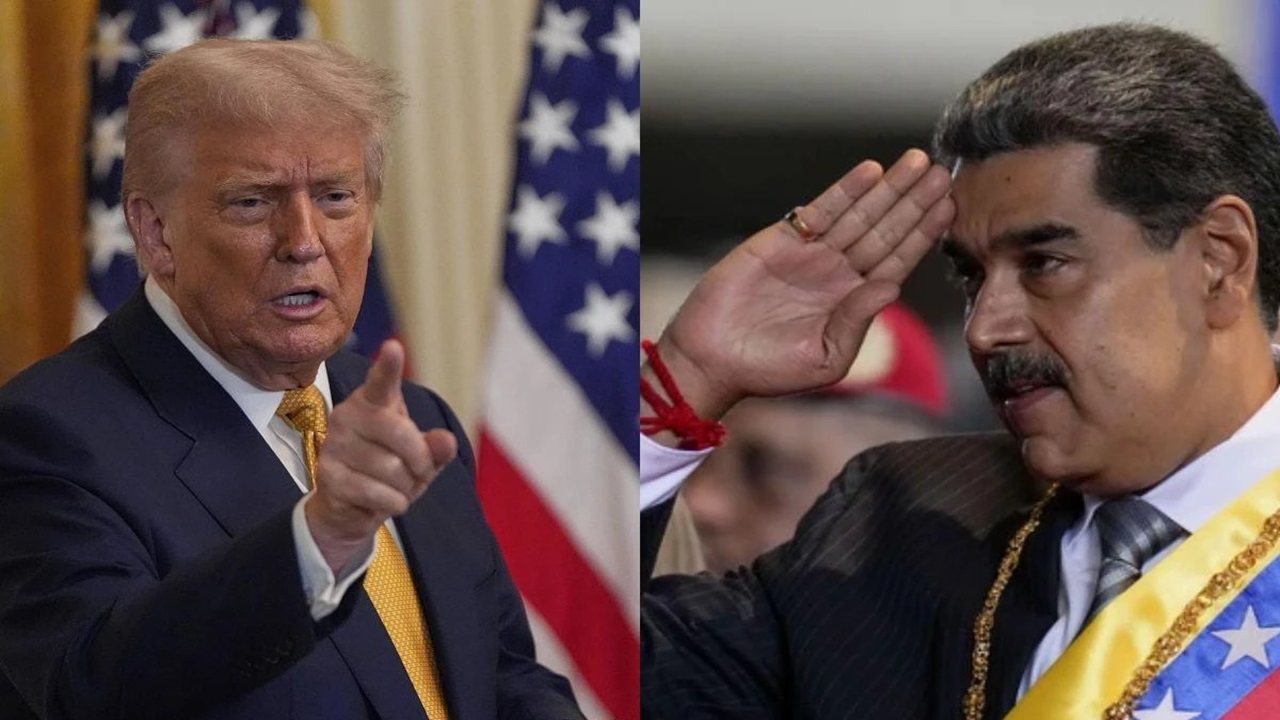
In early December 2025, President Donald Trump sharply escalated Washington’s confrontation with Caracas by announcing a sweeping blockade on oil tankers linked to Venezuela. Declared through a public statement, the move called for stopping all sanctioned vessels transporting Venezuelan crude in and out of the country. The announcement followed the U.S. interception of a large oil tanker off Venezuela’s coast, signaling that the administration was prepared to move beyond financial sanctions toward direct maritime enforcement.
A Long and Bitter U.S.–Venezuela Standoff
Relations between the United States and Venezuela have been strained for over two decades, deteriorating rapidly after Nicolas Maduro consolidated power following Hugo Chavez’s death. Washington has accused Maduro’s government of authoritarianism, election manipulation, corruption, and involvement in transnational crime. In response, successive U.S. administrations-imposed layers of sanctions targeting Venezuelan officials, state institutions, and—most critically—its oil industry.
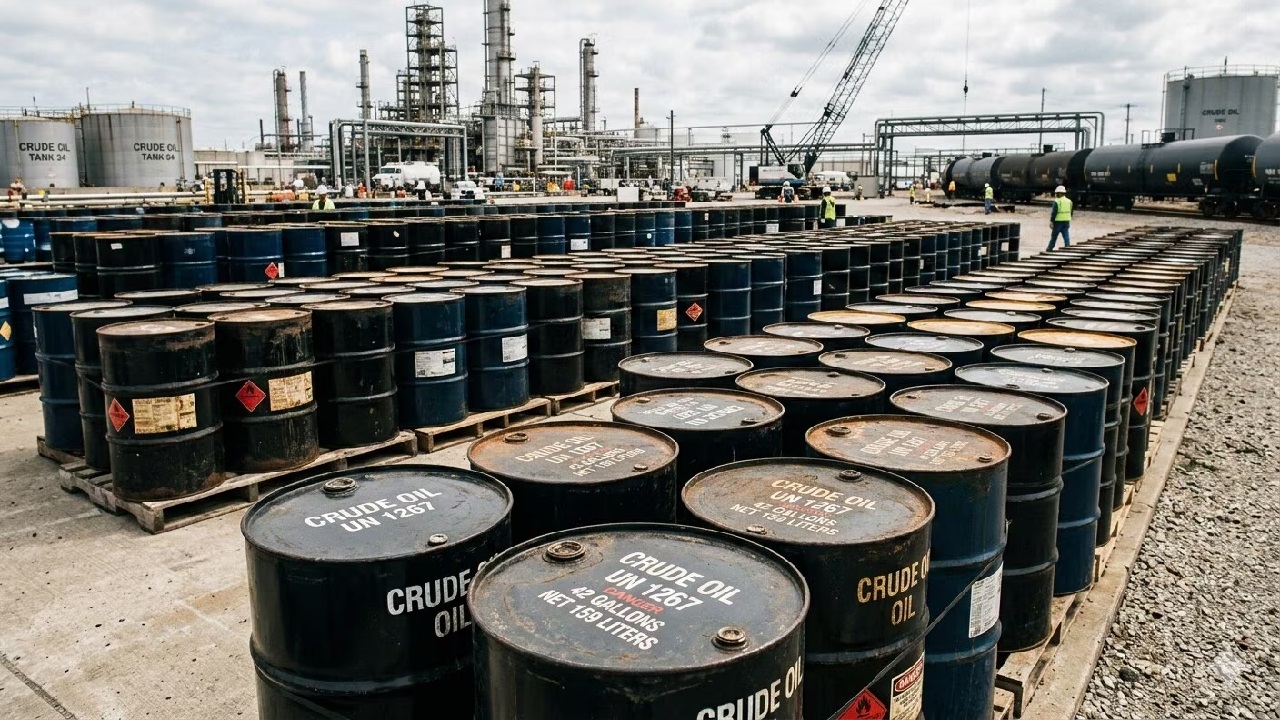
Oil remains Venezuela’s economic backbone, accounting for the vast majority of export earnings and government revenue. Sanctions since 2019 severely curtailed production and exports, but Caracas adapted by using informal trading networks and “shadow fleets” to sell crude primarily to Asian buyers, allowing the regime to survive despite economic collapse.
What the Blockade Seeks to Do
The tanker blockade represents a qualitative shift in U.S. strategy. Rather than merely penalizing transactions, Washington is now attempting to physically disrupt Venezuela’s oil exports. By branding Maduro’s government as a terrorist-linked entity, the Trump administration is asserting broader legal authority to interdict vessels suspected of sanctions evasion—even beyond U.S. waters.
The immediate objective is straightforward: deprive the Maduro government of its last significant revenue stream. The longer-term goal appears to be forcing political concessions, whether through negotiations, internal fracture, or regime collapse.
Why Trump Chose This Moment
Timing is central to understanding the move. Venezuela’s oil production, already weakened by years of mismanagement and underinvestment, remains highly vulnerable. At the same time, global energy markets are unsettled, making enforcement actions more visible and impactful. Domestically, Trump’s hardline stance reinforces his broader narrative against authoritarian and socialist governments, a message that resonates strongly with his political base.
Internationally, the blockade also serves as a warning to other sanctioned states that U.S. enforcement is becoming more muscular, not less.
How the Strategy Could Unfold
Operationally, enforcing a tanker blockade is complex and risky. It requires sustained naval presence, intelligence coordination, and cooperation—or at least acquiescence—from allies. Countries purchasing Venezuelan oil, particularly China, may quietly seek alternative supplies rather than openly challenge U.S. interdictions, while Russia and Iran could increase logistical or technical support to Caracas.
The humanitarian consequences are likely to be severe. Reduced oil income would further limit Venezuela’s ability to import food, medicine, and fuel, intensifying an already dire social crisis and potentially accelerating migration across the region.
High Stakes, Uncertain Payoff
Trump’s Venezuela oil tanker blockade marks the most confrontational phase of U.S. policy toward Caracas in years. While it may significantly weaken the Maduro government’s finances, it also risks regional instability, legal disputes, and humanitarian fallout. Whether this strategy forces political change or merely entrenches defiance will depend on international cooperation and how long Washington is willing to sustain the pressure. What is clear is that the U.S.–Venezuela conflict has entered a far more volatile and consequential stage.
(With agency inputs)