



A Festival of Harmony Turns Tense
For centuries, Cuttack, the millennium-old city on the banks of the Mahanadi, has stood as a living emblem of communal harmony and cultural brilliance. Each year, during Durga Puja, the city dazzles with handcrafted silver filigree medhas (ornate backdrops) — often made by Muslim artisans — symbolizing unity in diversity.
But this year, that harmony faltered. What began as a dispute over loud music during an idol immersion procession spiraled into street clashes, curfews, and an internet blackout, shaking the city’s foundations of brotherhood.
The Flashpoint: A Night of Chaos at Dargah Bazaar
The first signs of unrest appeared in the early hours of Saturday, when a Durga idol immersion procession from the Jhanjirmangala Bhagabat Sahi Puja Committee reached Dargah Bazaar, en route to the Kathajodi river. Locals objected to the high-decibel music being played late at night.
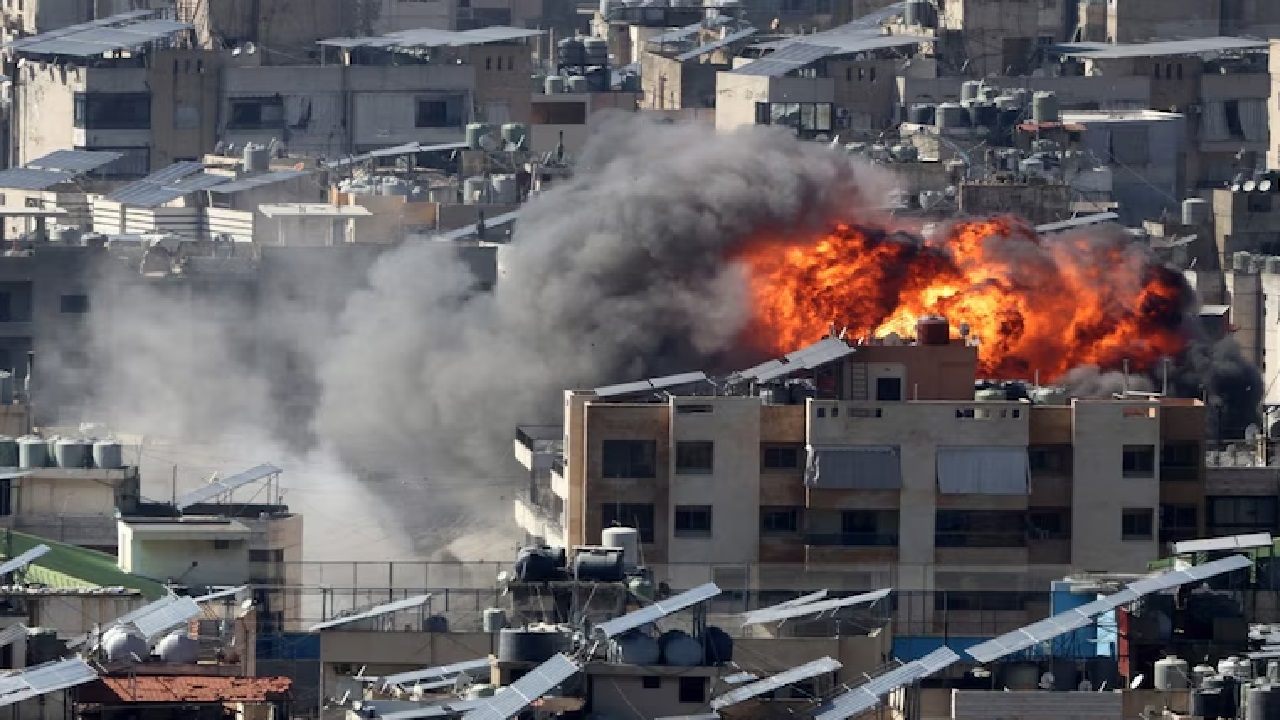
What should have been a brief disagreement soon turned violent. Stones and glass bottles were hurled, rooftops became flashpoints, and panic swept through narrow lanes. Among those injured was Cuttack’s Deputy Commissioner of Police (DCP) Rishikesh Dnyandeo, who tried to control the mob.
The Odisha government, alarmed by the escalating tension, imposed a 36-hour curfew in sensitive zones — including Dargah Bazaar and its surrounding localities — and later suspended internet services to prevent further provocation.
Internet Ban: Shielding Peace or Silencing Voices?
In an unprecedented step, the Home Department ordered a 24-hour suspension of internet and social media across the Cuttack Municipal Corporation (CMC), Cuttack Development Authority (CDA), and the 42 Mauza region.
Officials cited the misuse of social media platforms like WhatsApp, Facebook, X, Instagram, and Snapchat for spreading inflammatory messages. The shutdown, enforced under the Indian Telegraph Act (1885) and the Temporary Suspension of Telecom Services Rules (2017), was aimed at curbing misinformation and restoring calm.
While some citizens welcomed the move as a necessary safeguard, others viewed it as a double-edged sword—restricting communication at a time when authentic information was most needed. Experts argue such shutdowns reflect India’s growing struggle between public order and digital freedom.
Rising Tensions: The VHP Rally and Bandh Call
Even as police patrolled tense neighborhoods, fresh unrest flared on Sunday evening when the Vishwa Hindu Parishad (VHP) organized a motorcycle rally that allegedly defied administrative orders.
The rally passed through Dargah Bazaar, the very site of earlier clashes, leading to vandalism, damaged CCTV cameras, and shops set ablaze near Gourishankar Park. Law enforcement used mild force to disperse agitators.
The VHP has since called a 12-hour bandh, accusing officials of mishandling the situation and demanding the transfer of the District Collector and DCP. The organization blamed local authorities for failing to protect the city’s longstanding spirit of bhaichara (brotherhood).
Voices from the Top: Calls for Calm Amid Political Blame
Chief Minister Mohan Charan Majhi expressed deep concern, appealing to citizens to uphold Cuttack’s legacy of unity. “A few miscreants have tarnished our centuries-old harmony,” he said, promising strict legal action and free treatment for the injured.
Former Chief Minister and BJD leader Naveen Patnaik, now in Opposition, called the violence “deeply distressing,” blaming the new administration for police failures. Congress MLA Sofia Firdous echoed similar sentiments, urging accountability and swift punishment for those identified via CCTV and drone footage.
The Broader Picture: A Mirror to Modern India
The Cuttack clashes expose a larger national dilemma — the fragility of peace amid polarized sentiments. A dispute over loud music during a religious celebration became a symbol of how quickly communal trust can erode in a hyperconnected era.
The government’s recourse to internet blackouts, while intended to curb chaos, also underscores India’s dependence on such measures, which often disrupt communication and livelihoods.
Yet, amid the smoke and uncertainty, the people of Cuttack — Hindus and Muslims alike — have begun clean-up drives and peace marches, reaffirming their belief in the city’s shared heritage.
Rebuilding Brotherhood, Byte by Byte
Cuttack’s recent turmoil is not just a local law-and-order issue; it is a wake-up call for India’s urban communities where faith, festival, and technology intersect. The suspension of the internet may mute misinformation for a day, but restoring trust demands something deeper — dialogue, empathy, and accountability.
As the dust settles, Cuttack must look inward, reclaiming its identity as the City of Brotherhood, where artisans of all faiths once wove silver into the fabric of devotion — and where peace, too, must be reforged with the same patience and precision.
(With agency inputs)