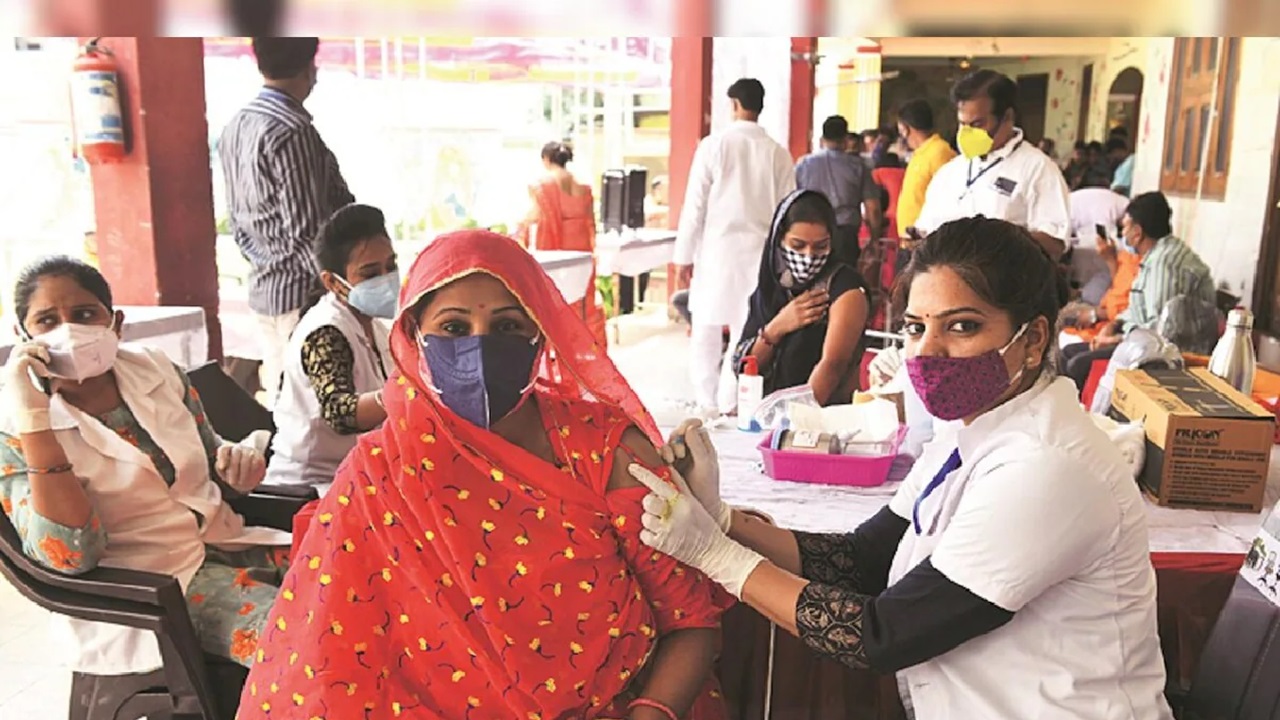
A Familiar Threat Resurfaces
Covid-19, once the world’s most feared virus, is subtly making a return to headlines in India. With over 1,000 active cases recorded as of May 26, new subvariants are emerging, prompting public health discussions about booster vaccines and the reintroduction of masks. While the numbers are not alarmingly high, the stealthy nature of the virus and its evolving variants are enough to warrant caution. Are we facing another wave, or is this just a ripple? Let’s dive deep.
The Variant Watch: What’s New in the Covid Landscape
Two new subvariants—NB.1.8.1 and LF.7—are being closely monitored by the World Health Organization. Though not yet classified as Variants of Concern, their rapid spread in parts of Asia and recent detection in India are cause for heightened surveillance. Both are offshoots of the JN.1 variant, which earlier triggered mild to moderate infections.
India’s health ministry has confirmed the presence of these subvariants in the country. While there’s no evidence yet of increased severity, the virus’s unpredictability underscores the need for vigilance.
The Numbers Game: State-Wise Covid Snapshot
India currently reports 1,010 active Covid cases, with Kerala leading at 430 cases. Maharashtra follows with 210, including 154 in just the past week. Delhi has reported 99 new cases, raising its total to 104. Other states seeing infections include:
· Gujarat: 83
· Tamil Nadu: 69
· Karnataka: 47
· Uttar Pradesh: 15
· Rajasthan: 13
· Others: Smaller counts across several states
While the numbers may seem modest, regional spikes like Kerala’s and Maharashtra’s highlight potential pockets of concern.
Booster Shots: Necessary or Not Yet?
There’s no blanket recommendation from the government yet regarding booster vaccines. Still, many health experts are urging caution, especially for older adults and those with weakened immune systems.
“There is no recommendation currently for a booster dose. We must wait for more data,” says Dr. Sharad Joshi of Max Healthcare.
Yet others, like Dr. Piyush Ranjan of AIIMS, suggest a targeted approach:
“A booster may not be urgent for all, but for high-risk individuals and those who haven’t had a dose in over a year, it’s advisable.”
Still, some medical voices like Dr. Rajeev Jayadevan, co-chair of the IMA COVID Task Force in Kerala, question the long-term effectiveness of repeated doses:
“Another vaccine dose may offer only short-lived protection. By the time a new variant arrives, immunity may already wane.”
The consensus? High-risk groups should strongly consider boosters, but mass revaccination is not currently warranted.
Masking and Safety Measures: Time to Suit Up Again?
While the central government hasn’t mandated masks yet, experts recommend voluntary precaution:
· Wear masks in crowded or closed spaces
· Maintain social distancing
· Practice respiratory hygiene
· Regular handwashing
“Basic precautions are essential to protect the vulnerable,” notes Dr. Joshi.
Delhi has already issued an advisory to hospitals, asking them to prepare beds, oxygen, and ventilators. Chief Minister Rekha Gupta assured the public: “We are fully prepared. There is no reason to panic.”
Karnataka’s CM Siddaramaiah echoed a similar message of preparedness, while emphasizing caution.
Are We at Risk? A Reality Check
Current infections remain mild in most cases, with home isolation sufficient for recovery. There’s no sign of a full-blown wave, and public health officials repeatedly stress: no need for panic.
But complacency can be dangerous. The virus has shown time and again that it thrives in environments where it’s underestimated.
Calm, Not Complacent
India is not in a crisis—but it’s at a crossroads. The emergence of new subvariants, rising case counts in specific states, and a vulnerable population still recovering from past waves remind us that Covid is not entirely behind us.
The message is clear: Be alert, not alarmed. For high-risk individuals, a booster may be wise. For everyone, masks and hygiene remain powerful tools. The virus may have changed form, but the basics of protection remain timeless.
Let us not forget: public health is a shared responsibility. By staying informed and acting responsibly, we can ensure that this flare-up doesn’t become a wildfire.
(With agency inputs)