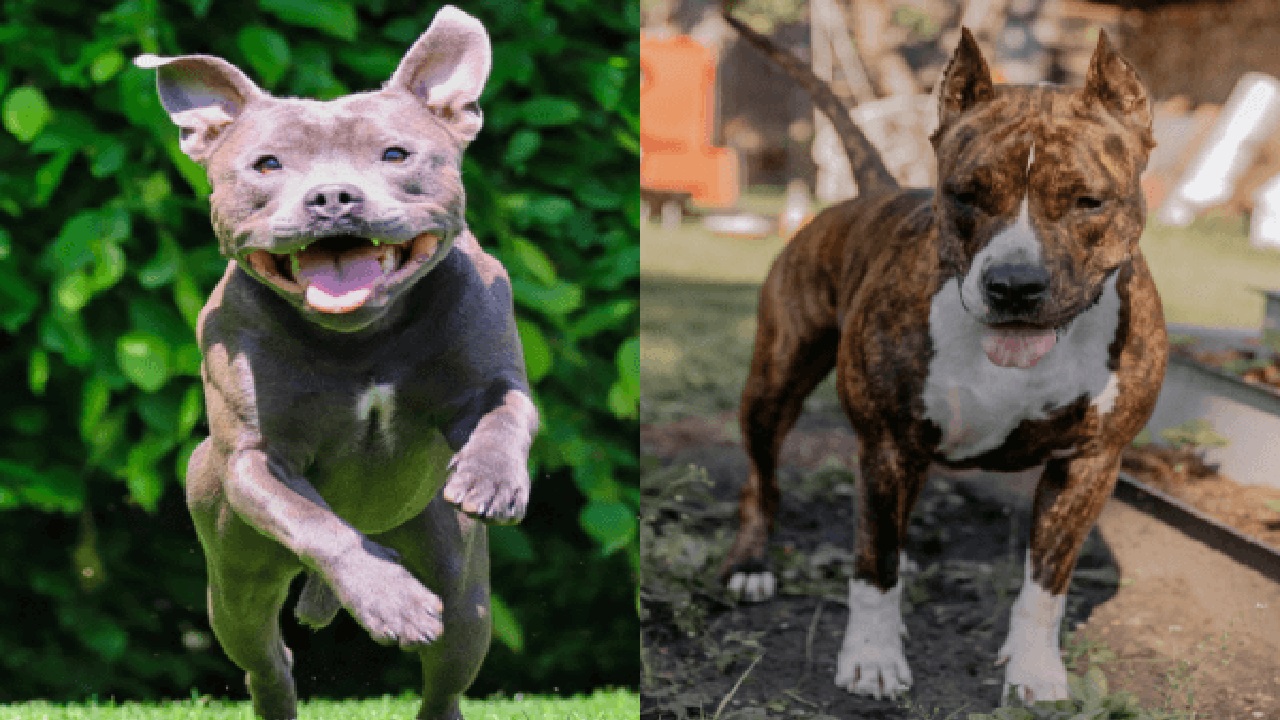
A quiet northwest Delhi Lane turned horrific when a six-year-old boy was savaged by a neighbour’s Pitbull in Prem Nagar. CCTV footage shows the child playing outside moments before the dog broke free from its enclosure, lunged at him, tore off his right ear, and inflicted multiple deep wounds on his head. Adults rushed in, but the damage was done. The dog’s owner, Rajesh Pal, was arrested under IPC provisions for causing grievous hurt through a negligent act, and police are verifying reports that the same Pitbull had attacked residents earlier—a critical detail in determining criminal liability.
The Policy Backdrop: India’s Attempted Breed Ban
The gruesome attack revived a simmering national debate: should India prohibit so-called “dangerous” breeds? In March 2024, the Union government issued a sweeping circular banning the import, sale, and breeding of 23–24 breeds—including pitbulls, Rottweilers, and Tosa Inu—and mandating sterilisation of existing pets. The directive followed repeated judicial prodding, especially from the Delhi High Court, amid rising urban maulings.
Yet the circular sparked immediate backlash. Breeders, trainers, and animal welfare groups called it unscientific, rushed, and unsupported by data or expert consensus. They argued that aggression is not hardwired into breeds but shaped by upbringing, handling, and socialisation.
Courtroom Clashes and a Ban in Limbo
Legal resistance soon stalled the ban’s rollout. In March 2024, the Karnataka High Court stayed the Centre’s circular, ruling that such a prohibition required recommendations from an expert committee and broad consultation with stakeholders. It also found the circular inconsistent with the Prevention of Cruelty to Animals Act and beyond the scope of the Animal Birth Control Rules.
Shortly after, the Centre told the Bombay High Court it was not enforcing the ban pending review. The result: India’s breed prohibition remains suspended in legal uncertainty, with no clear national mandate.
The Core Question: Do Bans Work?
The policy tug-of-war reveals a deeper tension. Behaviourists widely contend that breed is a poor predictor of aggression; factors such as training, confinement, past abuse, and irresponsible ownership matter more. Breed-specific bans, they warn, may push such dogs into unregulated spaces, undermining oversight and potentially increasing danger.
Conversely, victims’ families and many urban residents argue that powerful, high-prey-drive dogs pose unacceptable risks in densely populated neighbourhoods where children play in shared, unsegregated streets. For them, stricter controls—or outright bans—seem essential.
The Legal Lens: Owner Accountability
The Prem Nagar attack underscores that current law places responsibility squarely on owners. Negligent handling, failure to restrain or muzzle a known aggressive dog, and disregard for prior complaints can attract criminal charges. Municipal bylaws require registration, vaccination, and sometimes muzzling of certain breeds. Civil compensation suits remain an underused but potent avenue for victims seeking redress.
Beyond Bans—A Multi-Layered Safety Model
Preventing future tragedies requires more than banning breeds. India needs rigorous enforcement of licensing, leashing, and muzzling rules; mandatory behavioural training and assessments for high-risk breeds; systematic municipal tracking of complaints; and empowered authorities to intervene against chronic offenders. Equally crucial is public education on safe pet management and child–dog interactions.
The Prem Nagar mauling is not merely a story about a Pitbull—it is a stark reminder of how regulatory gaps, inadequate enforcement, and irresponsible ownership intersect in India’s rapidly urbanising landscape. The solutions must focus on people, not just pets.
(With agency inputs)