Glamour Overshadowed by Unrest
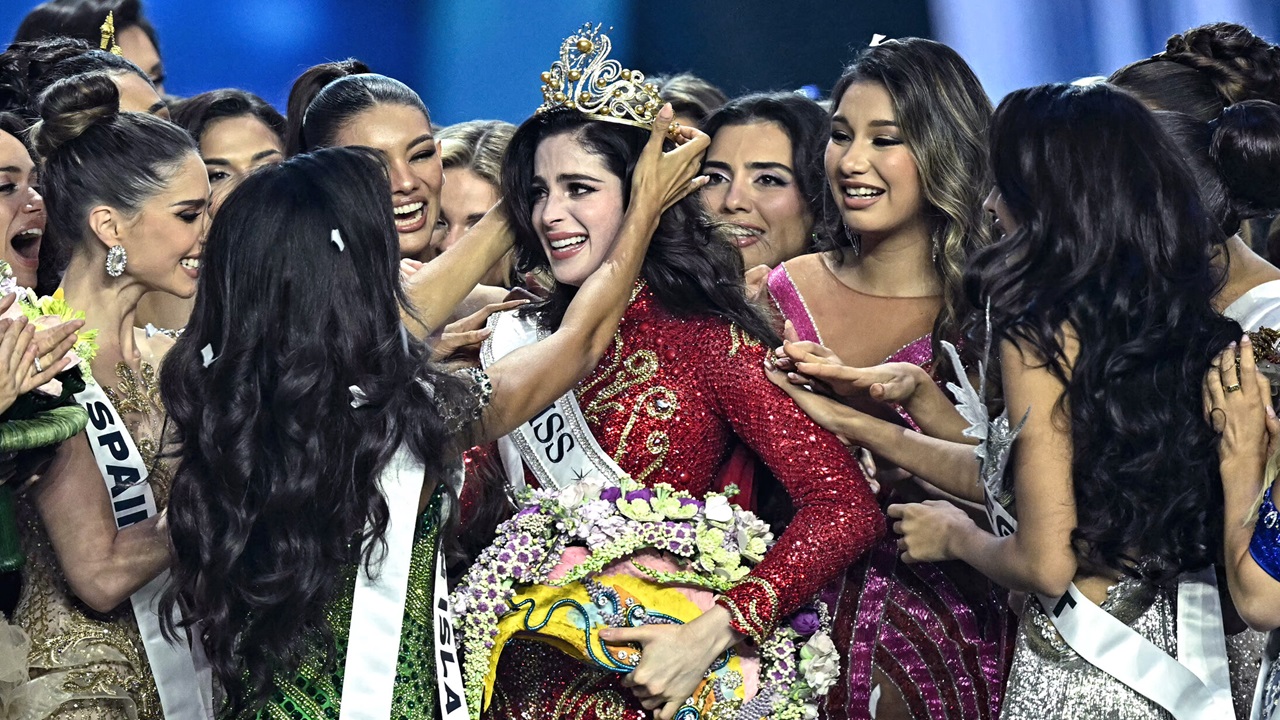
The Miss Universe 2025 pageant in Thailand unfolded not merely as a global celebration of beauty and culture but as a contentious event marked by protests, public confrontations, and allegations of misconduct. While Mexico’s Fatima Bosch ultimately secured the crown, her victory came amid unprecedented turbulence—raising pressing concerns about the pageant’s credibility and its place in a rapidly evolving cultural landscape.
A Contestant Walkout That Sparked Global Debate
The controversy began weeks before the finale, when Fatima Bosch and several contestants staged a walkout during a pre-pageant event. Their protest was triggered by remarks from Nawat Itsaragrisil, the Thai National Director and chief organizer, who publicly berated Bosch—calling her a “dumbhead”—after she declined to promote Thailand in a manner, she felt compromised her dignity.
Bosch’s refusal to comply with what she perceived as coercive demands quickly escalated. When she defended herself, Nawat allegedly summoned security, threatened disqualification, and warned contestants supporting her of severe consequences. Dozens of participants, including reigning Miss Universe Victoria Kjaer Theilvig, walked out in solidarity. Their collective stand underscored deeper concerns about respect, fairness, and women’s autonomy within pageant structures.
Organizational Condemnation and Leadership Intervention
The Miss Universe Organization (MUO) swiftly condemned Nawat’s behavior, labeling it “malicious” and inconsistent with the pageant’s core values of dignity and empowerment. MUO president Raul Rocha issued a public reprimand and dispatched senior executives to Thailand to assume oversight. Although Nawat later issued an apology, the incident cast a long shadow, suggesting fractures between local leadership and the international governing body.
These tensions highlighted a recurring challenge: the struggle to enforce global standards of governance and ethics while navigating national organizers’ influence and cultural pressures.
Judges’ Resignations Spotlight Transparency Concerns
Compounding the turmoil, two judges resigned just days before the final competition. Omar Harfouch, a Lebanese-French musician, alleged corruption in the selection of the Top 30 finalists, claiming an “impromptu jury” had pre-selected candidates without official consent. Shortly after, former French football star Claude Makelele also stepped down, citing personal reasons. Their departures intensified scrutiny of the pageant’s internal operations and raised doubts about procedural fairness.
These resignations signaled a growing crisis of confidence—not only among judges but also among international audiences who increasingly demand transparency in global competitions.
A Crown Earned Through Resilience and Principle
Despite the chaos, Fatima Bosch’s eventual win emerged as a narrative of perseverance and conviction. Her willingness to challenge authority transformed her into a symbol of empowerment, reinforcing the idea that pageants can serve as platforms for women’s agency rather than mere spectacle. Bosch emphasized that Miss Universe should elevate women’s voices and uphold respect—values she embodied throughout the ordeal.
A Defining Moment for Miss Universe
Miss Universe 2025 will be remembered as a watershed moment—a blend of triumph and turbulence that exposed deep fissures within the pageant’s governance and culture. While Bosch’s victory stands as a powerful testament to resilience and integrity, the controversies—from contestant walkouts to judge resignations—underscore the urgent need for organizational reform. Whether the pageant can restore trust and remain relevant in a world demanding greater accountability will define its future trajectory.
(With agency inputs)