The Rising Threat of Online Betting Scams
Illegal online betting platforms have quietly become a major public menace across India. With their aggressive digital advertising, flashy promotions, and false promises of quick riches, these platforms lure unsuspecting individuals into financial traps. Beneath the surface, these operations are not only duping people of their hard-earned money but also fuelling large-scale money laundering and tax evasion. Now, India’s Enforcement Directorate (ED) is stepping up its fight — and has summoned tech giants Meta and Google in an ongoing money laundering probe.
ED’s Focus: Role of Digital Platforms in Enabling Illegal Content
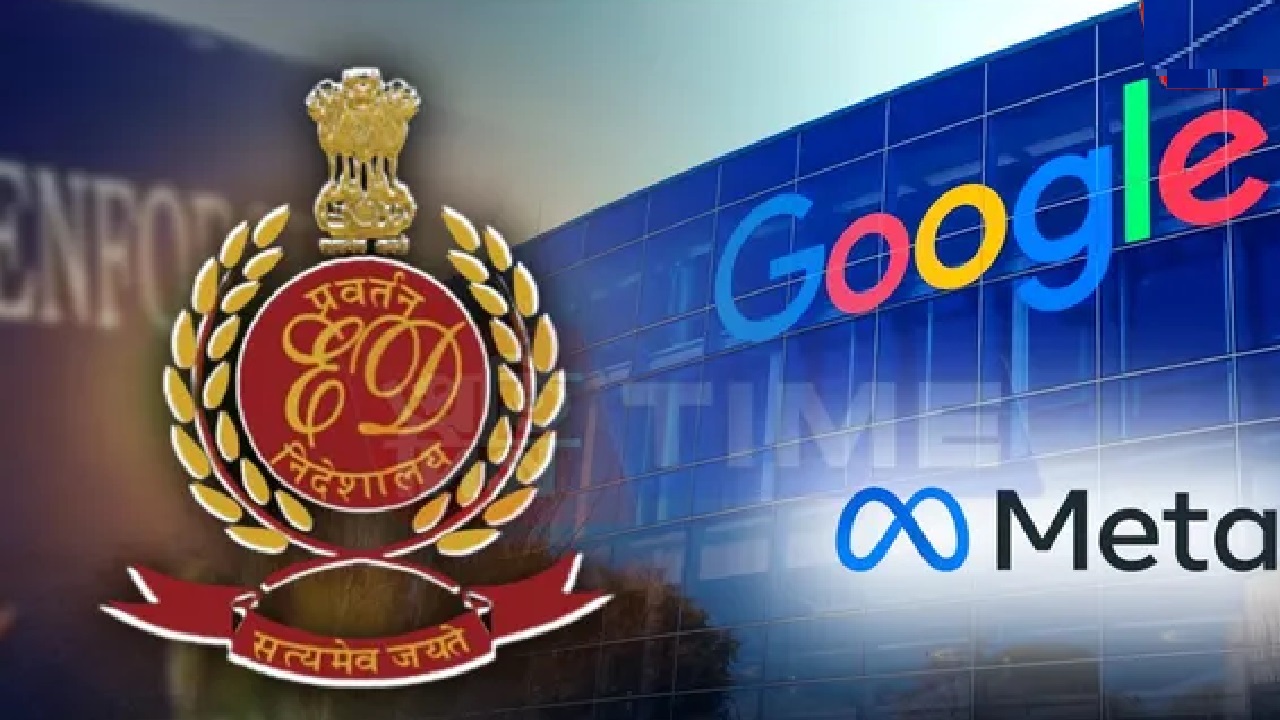
The Enforcement Directorate has issued summons to representatives from Meta and Google, directing them to appear on July 21 and record their statements under the Prevention of Money Laundering Act (PMLA). This move signals a broader effort by the agency to scrutinize how illegal betting platforms gain visibility and credibility via mainstream digital platforms.
According to official sources, the ED is investigating how these platforms manage to advertise and monetize their content through Google and Meta’s ecosystems — which include platforms like YouTube, Facebook, Instagram, and search ads. It aims to understand the advertising mechanisms, content vetting processes, and potential monetization routes that may have enabled these scams to flourish unchecked.
Celebrity Endorsements Under Scanner
The investigation has widened to include influencers, actors, sports personalities, and social media figures who may have unknowingly or knowingly promoted these illegal apps. Sources indicate that several celebrities could be summoned soon. Given their reach and influence, these endorsements often play a significant role in legitimizing such platforms in the eyes of the public — especially younger users.
The ED believes that some of these personalities may have received payments sourced from illicit funds. Their involvement, even if indirect, adds another layer of complexity to how online frauds are normalized and scaled via digital platforms.
How Tech Giants May Share Responsibility
Though platforms like Meta and Google claim to maintain strict ad policies and content standards, loopholes in moderation systems allow dubious advertisers to exploit their reach. These platforms have global operations, and content filtering often struggles to keep up with region-specific illegalities — particularly when it comes to grey areas like online betting and gaming apps.
The ED’s summons to these companies suggest that digital platforms cannot remain passive conduits when such scams are proliferating. Whether through algorithmic failure, insufficient monitoring, or negligence in vetting paid promotions, tech platforms could be enabling fraud, even if unintentionally.
The Need for Precaution and Regulatory Oversight
This investigation spotlights the urgent need for stronger regulatory frameworks and corporate accountability in digital advertising. Tech giants must implement more robust filters to detect and block illegal ads. Meanwhile, the government could consider real-time ad auditing systems and strict penalties for repeat violations.
Users, too, must be made aware through digital literacy campaigns about the risks of online betting and how to identify deceptive platforms. Clear warnings and disclaimers, along with visible redress mechanisms, should become industry norms.
Time to Clean Up the Digital Space
The ED’s move to summon Meta and Google marks a critical moment in India’s battle against digital financial fraud. As illegal betting platforms exploit technology to deceive the public, regulators and tech companies must work together to shut these operations down. This is not just about financial crime — it’s about restoring public trust in the digital space. Ensuring that the online world remains safe, transparent, and accountable must now become a shared responsibility.
(With agency inputs)