


A Renewed Bid for a Six-Nation Gulf Pact
India is once again exploring a sweeping trade arrangement with six Arab economies—Saudi Arabia, the United Arab Emirates, Qatar, Kuwait, Oman, and Bahrain—under the Gulf Cooperation Council (GCC). After years of stalled discussions, negotiators have revived plans for a comprehensive free trade agreement (FTA) that could reshape commercial, energy, and labour ties across the Arabian Peninsula. The proposed pact signals New Delhi’s intent to deepen economic integration with a region central to its energy security, diaspora welfare, and export ambitions, while capitalising on evolving geopolitical alignments and Gulf diversification strategies.
A Broader Trade Strategy in Motion
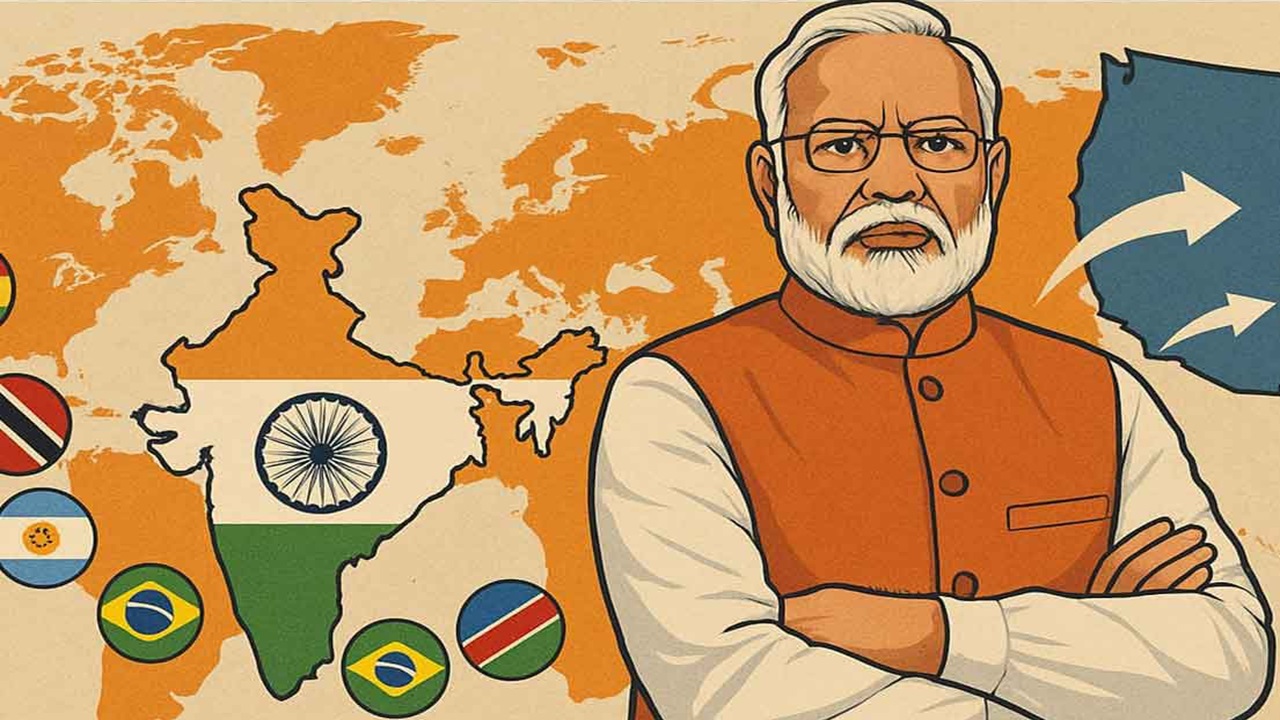
The GCC negotiations form part of India’s expanding global trade outreach. In recent years, New Delhi has accelerated efforts to sign or upgrade trade pacts with major markets, aiming to boost exports, embed itself in global value chains, and reduce overdependence on any single partner. The revival of talks with the Gulf bloc follows successful bilateral arrangements with the UAE and Oman, and comes amid ongoing negotiations with Western economies. Together, these initiatives underline a pragmatic strategy: diversify trade partnerships while securing long-term energy and investment flows.
Why the GCC Deal Matters for India
An FTA with the six-nation Gulf bloc would carry substantial economic and strategic weight. The GCC already ranks among India’s largest trading partners, with commerce spanning hydrocarbons, machinery, chemicals, gems, and food products. Energy imports from the region remain critical, supplying a significant share of India’s crude oil and natural gas needs. A comprehensive agreement could stabilise supply lines, reduce tariff barriers, and encourage long-term energy contracts, strengthening India’s resilience amid global market volatility.
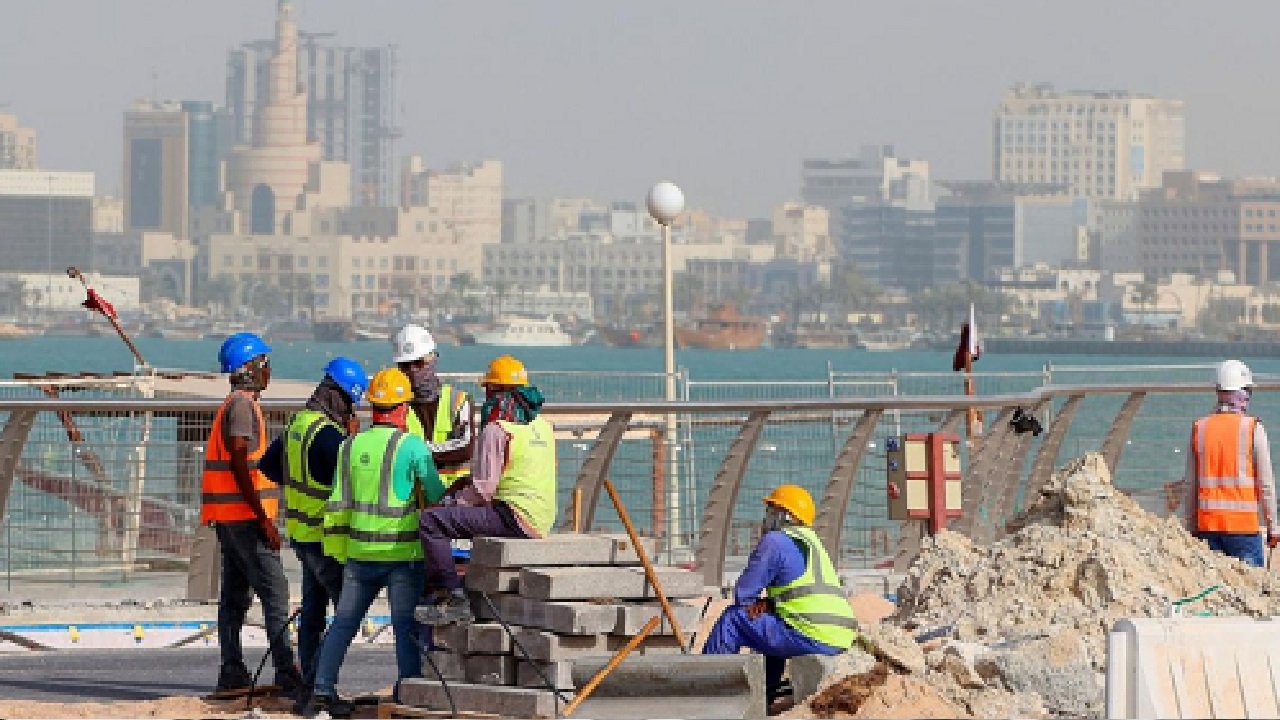
Beyond energy, the Gulf is a key destination for Indian exports and a major source of remittances from millions of Indian workers employed there. A bloc-wide agreement could streamline labour mobility frameworks, simplify visa regimes, and enhance social security coordination—improving conditions for the Indian diaspora while sustaining a vital flow of foreign exchange. It could also open new opportunities in sectors such as infrastructure, food processing, digital services, and petrochemicals, while attracting Gulf sovereign wealth investments into India’s growth sectors.
Strategically, the FTA would reinforce India’s presence in a region undergoing rapid economic transformation. As Gulf economies diversify beyond oil under long-term development visions, India stands to benefit as a partner in technology, services, and industrial development. A stronger economic footprint would also help balance competing global influences in the region.
Building on UAE and Oman Precedents
The proposed GCC pact does not emerge in isolation. It builds on the momentum of bilateral agreements already signed or initialled with individual Gulf states. The India-UAE Comprehensive Economic Partnership Agreement (CEPA), for instance, eliminated duties on a large share of traded goods and spurred rapid growth in bilateral commerce, particularly in sectors like gems, jewelry, and services. Similarly, the recently initialled agreement with Oman offers near-universal duty-free access on most tariff lines and expands investment and services cooperation.
A GCC-wide arrangement would scale these bilateral successes across the entire bloc. It would harmonise rules of origin, extend tariff concessions, and standardise regulatory frameworks, enabling Indian businesses to operate more seamlessly across multiple Gulf markets. It would also broaden provisions on investment, professional mobility, and supply-chain integration, creating a unified commercial environment rather than a patchwork of country-specific deals.
Toward Deeper Gulf Integration
If finalised, an India–GCC FTA could mark a transformative step in New Delhi’s trade diplomacy. By combining energy security, export expansion, labour mobility, and investment flows, the agreement would anchor India more firmly in the Gulf’s evolving economic landscape. Building on existing bilateral successes with the UAE and Oman, a bloc-level pact offers scale, predictability, and strategic depth. For India, it represents not just a trade deal, but a long-term partnership with a region central to its economic future.
(With agency inputs)