


From Help to Humiliation: How the Aid Backfired
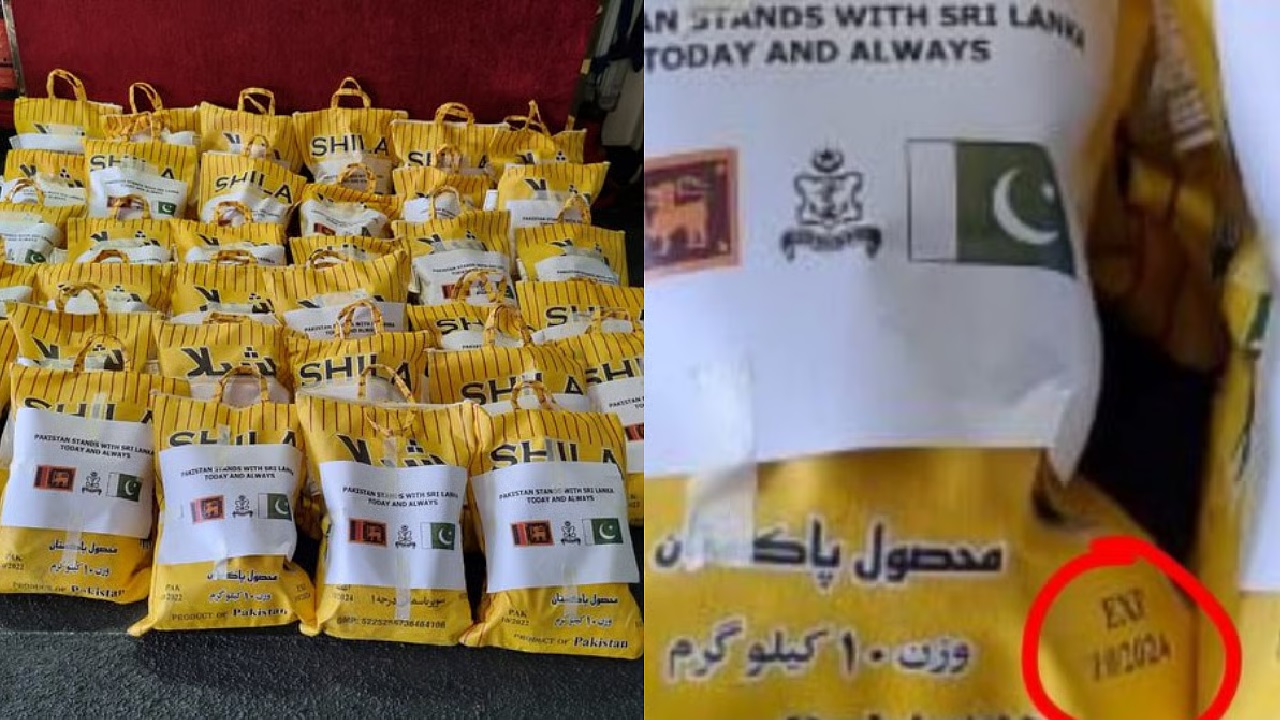
What was meant to showcase solidarity after Cyclone Ditwah battered Sri Lanka instead spiralled into a diplomatic fiasco. Images released by the Pakistani High Commission depicting cartons of food and medicines — marked with an “October 2024” expiry — triggered a wave of public outrage when they surfaced online. Rather than being seen as humanitarian help, the shipment became evidence of either negligence or worse, an insult to the cyclone-hit communities it was supposed to assist.
What Went Wrong: Expiry Labels Exposed
The relief consignment — reportedly containing essentials such as foodstuff, milk, water, and medical supplies — was dispatched from Islamabad soon after flood and landslide damage around Colombo and the southern provinces. The problem emerged when the High Commission itself shared photos on social media showing relief cartons clearly labelled with Pakistani and Sri Lankan flags and expiry dates from October 2024. The post quickly spread on social media platforms, where users magnified the date stamps and condemned the shipment as long past its safe usage period.
That social-media fallout forced the High Commission to delete the post — a move that deepened suspicion and ignited harsh criticism from across South Asia. What had been pitched as goodwill aid was now being widely ridiculed for failing basic humanitarian standards.
Official Reactions: Murky at Best
On one side, Pakistani authorities have maintained a position of general solidarity. Their removed social-media post had described the effort as a demonstration of “unwavering support” for Sri Lanka. After the backlash, Islamabad shifted tone — accusing neighboring India of obstructing timely airspace permissions for the relief flight, a charge New Delhi denied. Notably, there has been no detailed breakdown from Pakistani officials addressing how items with outdated expiry dates ended up in a supposedly emergency consignment.
On the Sri Lankan side, while there is no public press release naming Pakistan, multiple government and disaster-management sources have reportedly conveyed serious concern. According to media reports, officials privately flagged “several” expired food and medical packages and raised internal objections through formal diplomatic channels. The reaction — conveyed through discreet diplomacy rather than public outrage — underscores Colombo’s reluctance to dramatize the affair amid ongoing aid efforts, but also signals a clear erosion of trust in Pakistan’s relief credibility.
Why It Matters: More Than Just an Embarrassment
This isn’t just about a mishandled aid package — it’s about diplomatic image, credibility and regional goodwill. For Pakistan, the debacle undermines its attempt to portray itself as a willing humanitarian partner at a time when regional influence often hinges on relief diplomacy. In contrast, India’s parallel aid mission under its “Neighbourhood First” policy gains salience: well-received, timely and functioning.
Moreover, the incident raises uncomfortable questions about governance and oversight in crisis-time relief logistics. In countries under economic stress, relief stockpiles and donated goods are susceptible to poor inventory control; this episode suggests that items nearing or past expiry may be offloaded under the guise of aid. That undercuts the very spirit of humanitarian support — turning goodwill into grounds for resentment.
Lessons in Trust and Transparency
The expired-aid fiasco in Sri Lanka offers a sharp reminder that humanitarian gestures must meet minimum standards of honesty and responsibility. Good intentions alone do not sustain goodwill if the execution is shoddy. For Pakistan, the event leaves a dent in diplomatic capital — not just in Colombo but across the region. For Sri Lanka and other aid recipients, it reinforces the importance of transparency, quality checks and resilient supply chain verification before relief goods are distributed. Humanitarian diplomacy demands accountability; without that, a helping hand can quickly become a political liability.
(With agency inputs)