Sanctions, Strategy, and a Risky Trade
Since Russia’s full-scale invasion of Ukraine in 2022, the United States has warned the world of severe consequences for aiding Moscow’s war effort. A critical part of this deterrence campaign involves sanctions targeting entities supplying military-grade materials to Russia. Despite this, a startling revelation has emerged: an Indian company shipped $1.4 million worth of HMX—a high explosive used in advanced weaponry—to Russian defense-linked firms in late 2023.
This transaction, although not necessarily illegal under Indian law, underscores the delicate balancing act New Delhi must perform between its growing strategic alignment with Washington and its long-standing ties with Moscow. It also raises new questions about the enforcement of global sanctions regimes and the grey areas surrounding dual-use exports.
India’s HMX Shipment: What We Know
Customs data reviewed by Reuters confirmed that Ideal Detonators Private Limited, an Indian firm based in Telangana, exported HMX (also known as octogen) to two Russian buyers—Promsintez and High Technology Initiation Systems—in December 2023. Both firms are located in Russia’s Samara Oblast, and at least one, according to Ukraine’s SBU security service, is directly linked to the Russian military-industrial complex.
HMX is no ordinary chemical. Widely used in missile warheads, torpedoes, and rocket motors, it is considered by the U.S. Department of Defense as “critical to Russia’s war effort.” While Indian officials assert the substance also has limited civilian uses—such as in mining or demolition—the scale and nature of the shipment suggest its primary application in military technology.
Despite repeated U.S. warnings to global partners, including India, about the risks of transacting with Russian defense-related entities, these shipments went ahead—unreported and unchallenged, until now.
U.S. Reactions and Strategic Silence
The U.S. State Department, while not commenting directly on the identified shipments, reiterated its position in a statement: “We have made it clear to all partners, including India, that doing business with Russia’s military-industrial base exposes companies and financial institutions to sanctions.” However, officials also emphasized that India remains a “strategic partner,” and engagements on such issues occur in “full and frank dialogue.”
Indeed, the U.S. response has so far been muted. Sanctions lawyers note that Washington retains the authority to penalize those aiding Russia’s military logistics. But punitive actions have been selective, especially when it comes to key geopolitical allies like India. Under the Biden administration, sanctions against Indian entities were rare and calculated, and under President Donald Trump, enforcement efforts have slowed even further.
This restraint appears tactical. As the U.S. intensifies efforts to counter China, it views India as a vital regional counterweight and may avoid aggressive public rebukes that could push New Delhi closer to Moscow or Beijing.
India’s Position: Legal, But Controversial
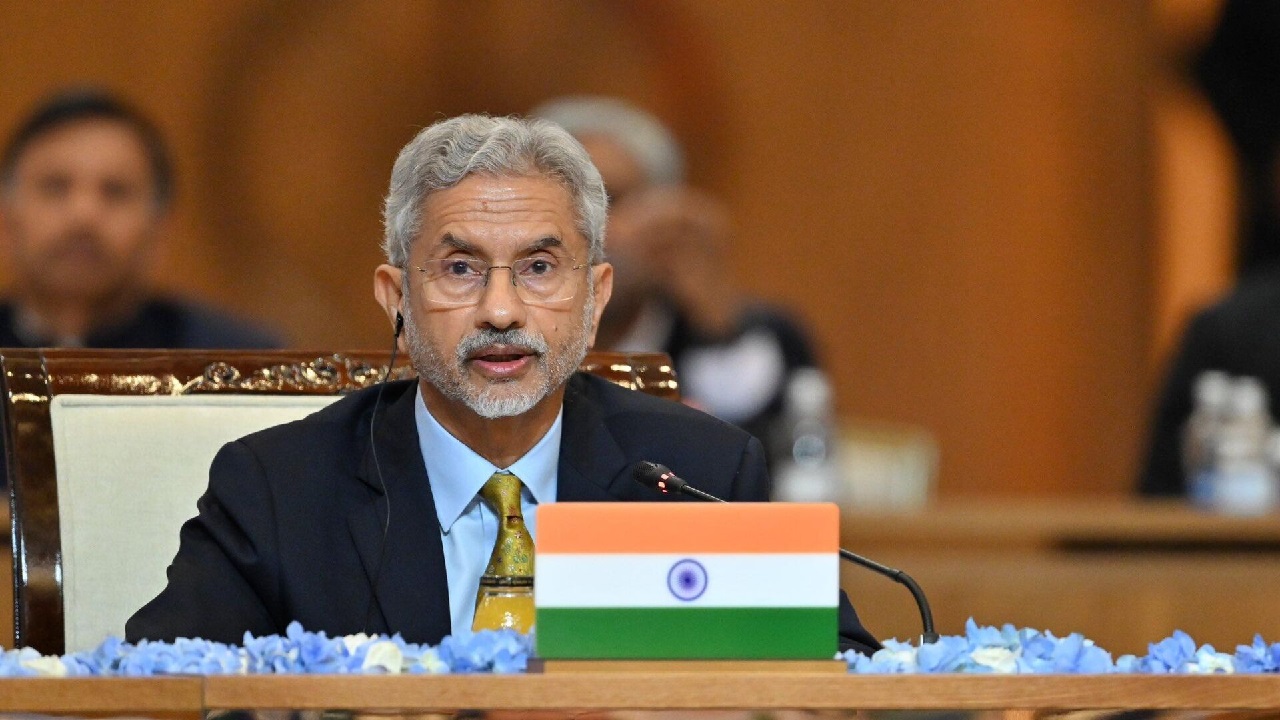
India’s foreign ministry defended the shipment in a general statement, emphasizing its “robust legal and regulatory framework” and a commitment to international non-proliferation norms. Officials pointed out that dual-use items like HMX are scrutinized before export, and compliance procedures are followed.
Nevertheless, critics argue that such sales, while technically legal, undermine the moral consensus against fueling a war that has claimed tens of thousands of lives and destabilized Europe. The optics are troubling for India’s image as a responsible global actor, especially as it seeks greater prominence on the world stage through forums like the G20 and Quad.
Ukraine and the Shadow War of Sanctions
Ukrainian officials are watching closely. Presidential adviser Vladyslav Vlasiuk confirmed that Promsintez had previously surfaced on Kyiv’s sanctions radar, including in connection with Indian business. He described the HMX exports as examples of how isolated breaches can still sustain Russia’s defense machine.
In April 2024, Ukraine reportedly targeted a Promsintez facility in a drone strike—indicating not just the firm’s military relevance but also its vulnerability in a widening shadow war between Western-aligned nations and Russian-backed enterprises.
Between Allies and Adversaries
India’s HMX shipment to Russia exposes the fragility of the global sanctions’ regime and the increasingly blurred lines between strategic partnerships and national interests. While Washington courts India as a key Indo-Pacific ally, it now confronts a reality where diplomatic engagement must coexist with uncomfortable truths.
As New Delhi walks the tightrope between its Cold War legacy and its modern ambitions, the world must reckon with the limits of sanctions diplomacy. Can allies be held accountable without fracturing strategic relationships? Or will backchannel diplomacy continue to mask contradictions in an increasingly multipolar world?
Ultimately, whether punitive action follows or not, the revelation highlights a deeper geopolitical tension: India’s desire for autonomy in foreign policy, even in a world rapidly dividing along new ideological lines.
(With agency inputs)