A New Face of Cybercrime
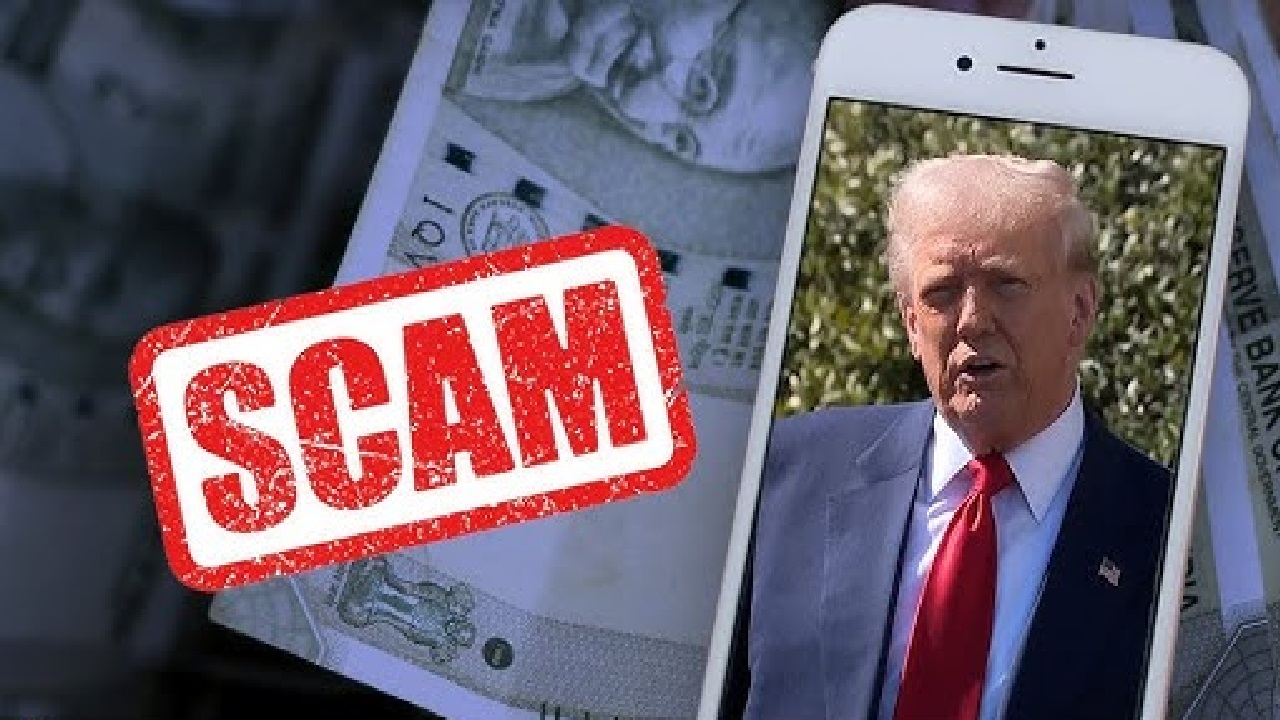
In a disturbing display of how artificial intelligence can be weaponized for fraud, over 200 people across Karnataka have been duped out of more than ₹2 crore using an AI-generated video of US President Donald Trump. The video promoted what appeared to be a lucrative investment opportunity in “Trump Hotel rentals” — a scheme entirely fabricated by cybercriminals.
From Bengaluru to Tumakuru, Mangaluru to Haveri, unsuspecting citizens — including professionals, government employees, and small business owners — fell victim to the scam. Lured by promises of quick returns and work-from-home opportunities, they watched what looked like a convincing endorsement by Trump and invested, only to lose their hard-earned money.
How the Scam Unfolded: The Mechanics of Deception
According to Karnataka police, the fraud operated with chilling precision:
Step 1: AI-Generated Trump Video
The scam began with YouTube Shorts and social media ads showing a lifelike AI video of Donald Trump inviting viewers to invest in his hotel chain.
Step 2: Fake Mobile App
The link redirected viewers to download a mobile application, masked as a legitimate investment portal.
Step 3: Account Creation & Micro-Earnings
Victims were asked to fill out personal details including bank accounts and IFSC codes, then pay a ₹1,500 setup fee. Once enrolled, they received daily payouts of ₹30, withdrawable only after a ₹300 balance — a tactic to build trust.
Step 4: Escalating Investments
As trust grew, users were asked to invest larger amounts (₹5,000 to ₹1,00,000), with the app showing growing returns on a dashboard — all entirely fabricated.
Step 5: Final Trap – Tax and Withdrawal Fee
When users attempted to withdraw, they were asked to pay additional “taxes” or fees, after which communication ceased and funds vanished.
One 38-year-old advocate, defrauded of nearly ₹6 lakh, told the media:
“The scheme looked professional and reliable at first. I was even able to withdraw small amounts. Then came bigger asks and promises. I ended up losing everything.”
Not the First, Not the Last: A Pattern of AI-Powered Cybercrimes
The Karnataka Trump scam isn’t an isolated case. Around the world, deepfakes and AI-generated content have been increasingly used in financial fraud. Some notable examples:
· Elon Musk Crypto Scam
In 2023, an AI-generated video of Elon Musk promoting a fake crypto giveaway circulated on X (formerly Twitter) and YouTube. Many lost thousands trying to double their Bitcoin or Ethereum in fake schemes.
· AI-Created News Anchors Promoting Fraud
Scammers have used AI avatars resembling news anchors or influencers to promote fake trading platforms or real estate investments, lending false legitimacy.
· Fake Celebrity Endorsements
AI-edited images and videos of Amitabh Bachchan, Ratan Tata, and other Indian celebrities have been used in phishing ads on Facebook and Instagram, often targeting older internet users.
· Fake Zoom Calls with CEOs
Globally, employees have been tricked into transferring company funds after receiving deepfake Zoom calls appearing to be from their CEOs, using stolen voice samples and AI-generated video feeds.
Digital Literacy Is the First Line of Defence
The Karnataka Trump scam is a stark reminder that AI tools, once considered harmless novelties, are now central to sophisticated financial fraud. As generative technology advances, the line between real and fake grows dangerously thin.
This also reveals a deep vulnerability in digital literacy. Victims across age and education levels are falling prey to scams that seem technologically impressive and emotionally convincing.
While law enforcement must adapt and innovate to catch such cybercriminals, the public must remain skeptical and informed. No genuine business will offer guaranteed double returns overnight, especially endorsed by a global political figure through an app.
In a world where you can no longer trust what you see or hear online, critical thinking — not convenience — must guide our clicks.
(With agency inputs)