Bihar’s Political Seasoning—Spicy, Scandalous, and Serious
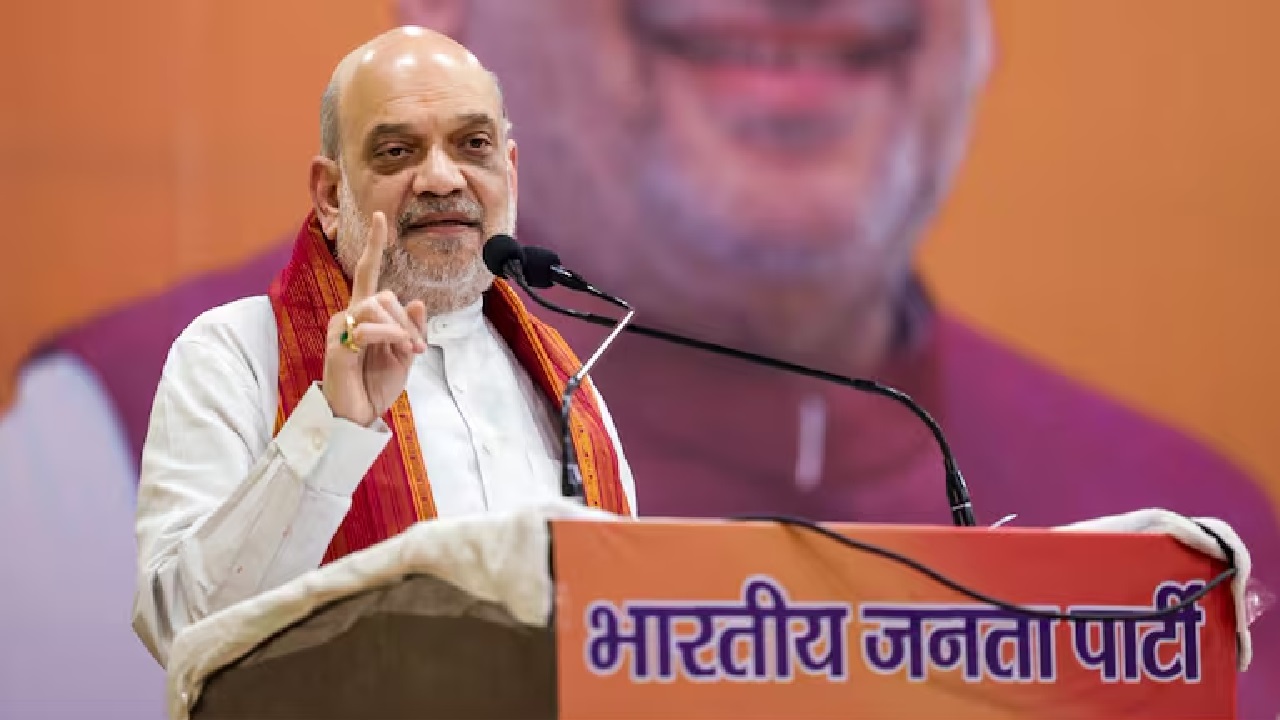
As Bihar marches toward its 2025 Assembly elections, the campaign trail has turned into a political theatre where barbs are sharper than promises. In a thunderous rally at Darbhanga, Union Home Minister Amit Shah pulled no punches, launching a fiery tirade against what he dubbed India’s “family-run politics.” His prime targets: Lalu Prasad Yadav’s RJD and Sonia Gandhi’s Congress, both accused of running politics like family enterprises.
With a mix of sarcasm and swagger, Shah quipped that “both posts are not vacant”—a jibe aimed at Tejashwi Yadav’s dream of becoming Bihar’s Chief Minister and Rahul Gandhi’s ambition for the Prime Minister’s chair. His punchline resonated with the crowd, but it also set the tone for a campaign steeped in dynastic digs and corruption talk, as he revisited the fodder scam, bitumen scandal, and land-for-jobs saga from the Lalu era.
The Election Arena: A High-Stakes Battle
The two-phase Bihar election—scheduled for November 6 and 11—has become a microcosm of India’s political churn: anti-incumbency, caste coalitions, youth unrest, and governance fatigue. The NDA, led by Chief Minister Nitish Kumar and backed by the BJP, faces the formidable Mahagathbandhan (INDIA bloc) with Tejashwi Yadav as its youthful spearhead.
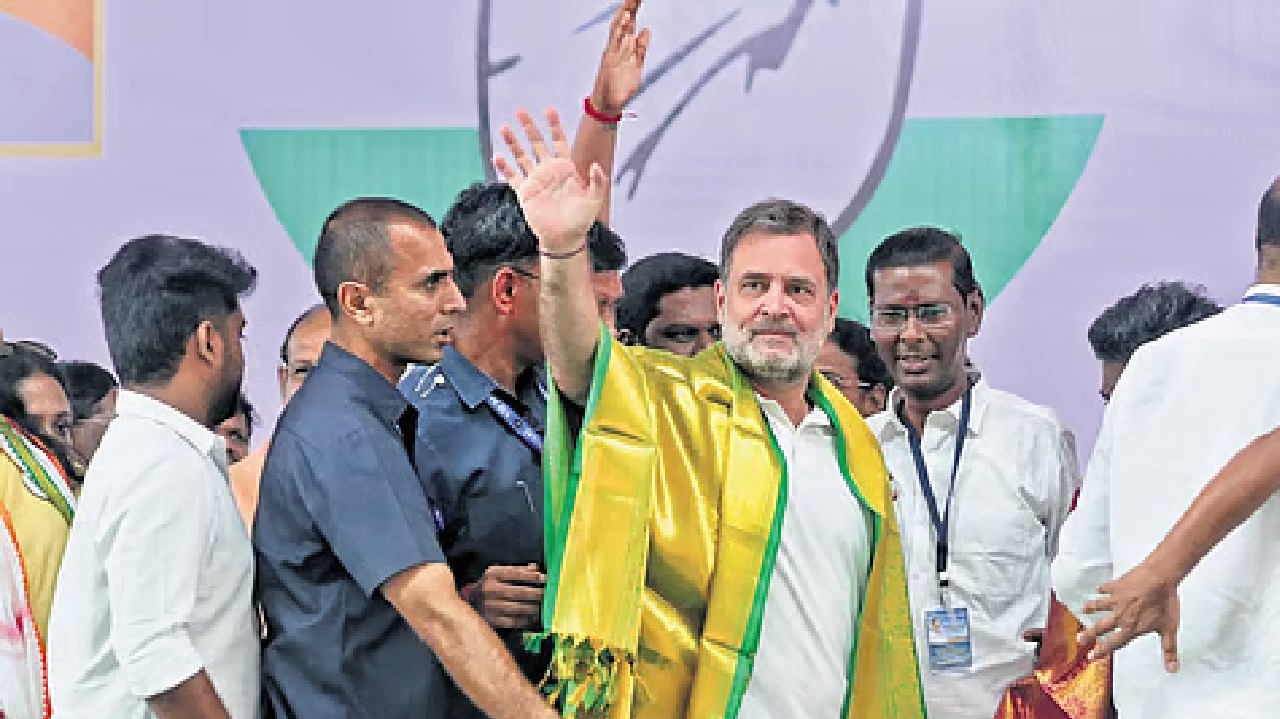
Tejashwi, RJD’s official Chief Ministerial candidate, is betting big on his youth appeal and a promise of jobs. The Congress, meanwhile, is hoping to piggyback on Rahul Gandhi’s rising visibility and swelling crowds. Both sides know that Bihar’s 243 assembly seats could set the tone for the 2026 Lok Sabha elections, making every speech, slogan, and scandal matter.
Shah’s Playbook: Scams, Surnames, and Stability
Amit Shah’s campaign strategy in Bihar seems straight from the BJP’s political workshop: mock the dynasty, magnify the development. Instead of repeating the old “Jungle Raj” script, Shah has repackaged the message to emphasize corruption versus competence.
According to Shah, the Yadav family’s resume reads like a “crime chronicle”:
· Fodder Scam—public funds allegedly devoured by phantom cattle.
· IRCTC and Land-for-Jobs scams—where, he claims, political influence turned into personal gain.
· Bitumen theft case—the lesser-known but oft-repeated example of bureaucratic rot.
The BJP frames Tejashwi Yadav as the “sequel no one asked for”—a rerun of corruption and chaos in new packaging. Simultaneously, the Congress is painted as the “global franchise of family politics,” accused of promoting lineage over leadership.
In contrast, the NDA touts itself as the torchbearer of “double-engine growth”—the combination of Nitish’s governance model and Modi’s development push. Citing improvements in roads, electrification, and welfare schemes, NDA leaders claim nearly 47% of voters credit Nitish for Bihar’s relative stability.
Public Pulse: Torn Between Legacy and Leap
The voter mood, however, refuses to be predictable. Polls indicate a tight race—NDA leading narrowly at 40%, with Mahagathbandhan close behind at 38.3%. Curiously, Tejashwi Yadav outshines both Nitish Kumar and Prashant Kishor as the preferred CM face, with 36.5% approval. His youthful charisma and focus on employment, education, and migration resonate strongly, especially among first-time voters.
But Shah’s corruption narrative still bites. Many older voters recall the “good old bad days” of Lalu’s misgovernance and worry about déjà vu. Yet, fatigue with negativity and name-calling is growing—voters increasingly say they want debates about jobs, healthcare, and urban growth, not just who stole what in the ’90s.
The Bigger Picture: Bihar’s Choice Between Past and Promise
Bihar’s electorate stands at a political crossroads. On one side lies Shah’s appeal for continuity, control, and clean governance; on the other stands Tejashwi’s call for generational change and youth-driven revival. The Congress, meanwhile, hopes the anti-incumbency breeze will carry it into double digits.
If the BJP’s narrative of “family feuds versus functional governance” clicks, the NDA could ride back to power comfortably. But if voters decide that new faces deserve a chance, Tejashwi might script a comeback that rewrites Bihar’s political history.
The Joke’s on the Ballot
Amit Shah’s punchlines may dominate the headlines, but Bihar’s voters hold the mic for the final act. Whether they laugh with him or at him depends on what they value more—the stability of experience or the thrill of change.
As Bihar heads to the polls, one truth stands out: in this land of political drama and fodder flashbacks, the real dynasty is democracy itself—passed from one voter to the next.
(With agency inputs)