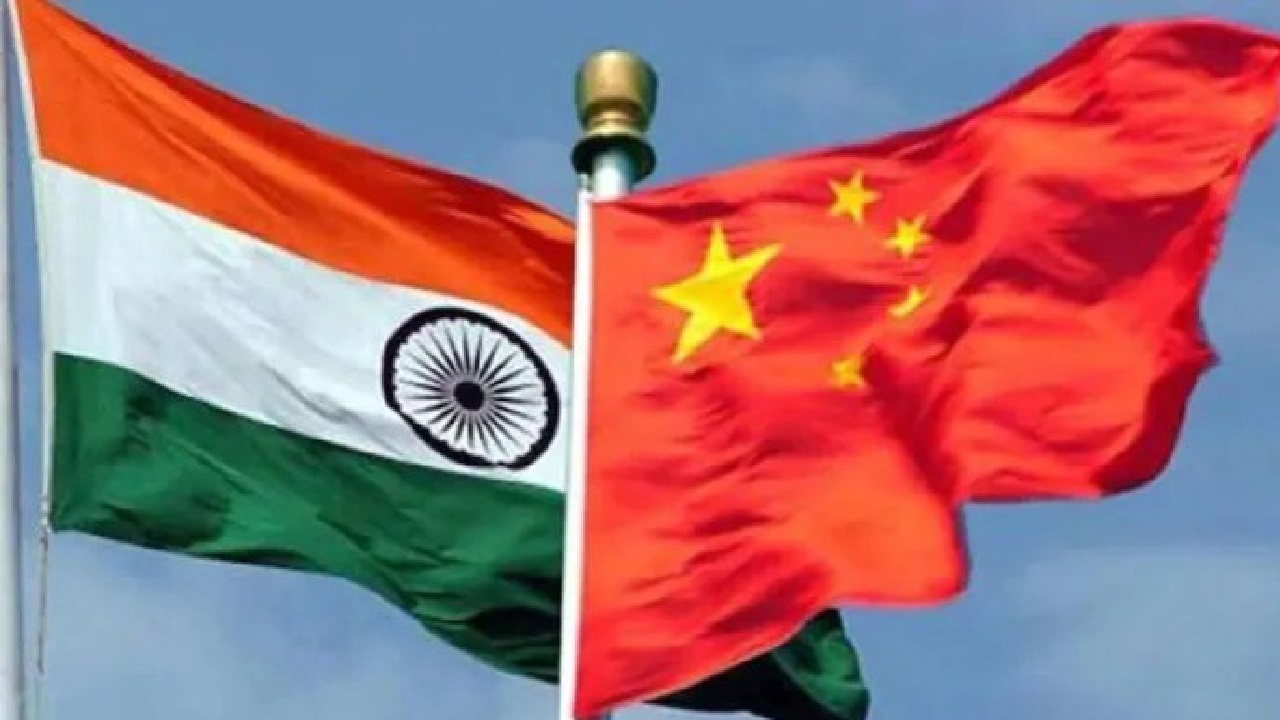
From Frosty Relations to Tentative Dialogue
For much of the last decade, India–China relations have been defined by friction—border clashes, diplomatic snubs, and economic pushback. The 2020 Galwan Valley incident plunged ties to one of their lowest points in decades, with both sides deploying troops along the Line of Actual Control (LAC) and freezing many channels of cooperation.
Yet, in recent months, subtle but significant diplomatic overtures have begun to surface. High-level conversations have resumed, confidence-building steps are appearing in trade and travel, and Prime Minister Narendra Modi’s anticipated late-August visit to China for the Shanghai Cooperation Organisation (SCO) summit is being closely watched. Many see it as a potential catalyst for rekindling a working relationship between the two Asian giants.
Direct Flights Set to Take Off Again
The most visible sign of warming ties came on August 12, when reports indicated that New Delhi and Beijing were preparing to restart direct passenger flights as early as September. The Indian government has reportedly asked Air India, IndiGo, and other carriers to be ready for short-notice operations, while a formal announcement is expected around Modi’s China trip.
Regular commercial flights between the two nations were halted at the start of the COVID-19 pandemic, forcing travellers to transit through hubs like Hong Kong or Singapore. Before that, both Indian and Chinese airlines ran frequent services linking major cities. Two previous attempts—in January and June—to revive direct flights were abandoned due to persistent diplomatic tensions. This third attempt suggests both sides are now more willing to follow through.
Trade Winds Changing Course
Passenger links aren’t the only connections being restored. In July, for the first time since 2021, Indian diesel was shipped to China—nearly half a million barrels of ultra-low sulphur fuel sailed from Gujarat’s Vadinar terminal. While modest in scale, it signals a tentative resumption of energy trade.
At the same time, New Delhi reinstated tourist visa issuance for Chinese nationals on July 24, ending a five-year freeze. Religious and cultural exchanges are also back on track, with the Kailash Mansarovar Yatra once again open to Indian pilgrims. Finance Minister Nirmala Sitharaman recently hinted that business engagements might also expand, though she cautioned that the pace will depend on political and security dynamics.
Modi’s First China Visit in Seven Years
The upcoming SCO summit in Tianjin, scheduled for August 31–September 1, will mark Modi’s first trip to China since 2018. It could also bring his first face-to-face meeting with President Xi Jinping since a brief encounter in Russia ten months ago. For Beijing, this is an opportunity to showcase that ties with Delhi are not irreparably broken; for India, it’s a platform to push for practical cooperation while keeping border issues on the table.
The renewed interaction follows an agreement last October on patrolling protocols and troop disengagement in select LAC sectors, which allowed Indian forces to regain access to certain positions and restored grazing rights for herders.
A Shared Frustration with Washington
Observers note that part of the thaw may be driven by strategic shifts involving the United States. Washington’s evolving posture toward Pakistan—perceived in Delhi as a tilt that could weaken India’s regional position—has raised eyebrows. A Foreign Policy report suggested that the U.S. might be drawing closer to both Islamabad and Beijing in certain domains, prompting India to hedge its bets.
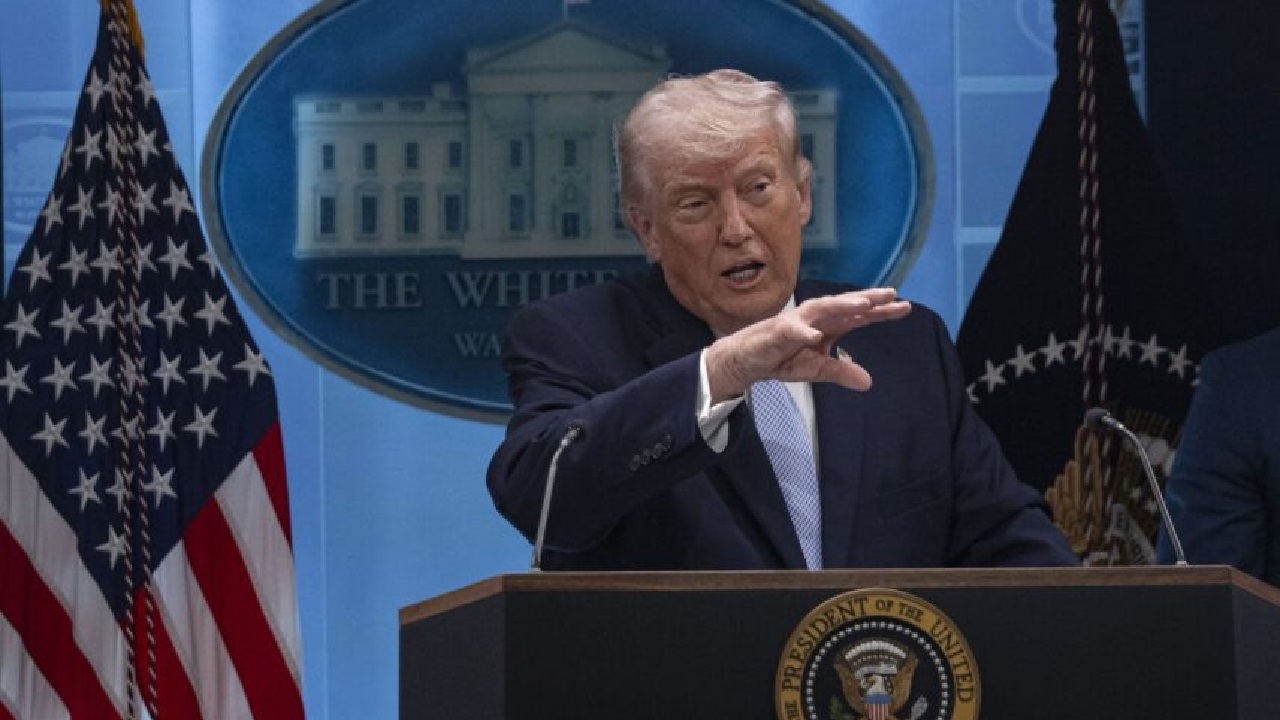
Beijing, too, remains wary of U.S.–Pakistan dynamics, fearing possible disruptions to the China–Pakistan Economic Corridor and intelligence exposure of Chinese military technology. Meanwhile, U.S. trade policies under Donald Trump—particularly steep tariffs on Indian exports—have nudged both Delhi and Beijing toward finding common economic cause.
China’s Public Gestures of Support
Interestingly, Beijing has not hesitated to voice backing for India’s sovereign choices. When Washington criticised India’s purchase of Russian oil, Chinese officials defended Delhi’s autonomy, even sharing an illustration depicting an elephant (India) resisting a baseball bat (U.S. tariffs). While largely symbolic, such public statements feed into the narrative that India and China can find areas of alignment despite deep-rooted mistrust.
Persistent Fault Lines
Despite these promising signals, the road to stable India–China relations remains fraught. The LAC is still a militarised zone, with periodic standoffs and unresolved disputes. China’s close strategic partnership with Pakistan—spanning defence cooperation, nuclear technology, and joint infrastructure—remains a major irritant for India. The fact that Pakistan deployed Chinese-origin fighter jets, PL-15 missiles, and drones during recent military actions, including Operation Sindoor, only reinforces Delhi’s concerns.
Other issues loom as well. Beijing’s plan to build a massive dam on the Yarlung Tsangpo (Brahmaputra) has triggered alarms over water security in India’s northeast. Construction of a new railway line from Xinjiang to Tibet, potentially cutting across disputed areas near the LAC, is also likely to draw protest from Delhi.
Economic and Political Incentives
Still, analysts believe both countries have pragmatic reasons to keep talking. As Dominic Rohner of the Geneva Graduate Institute told the South China Morning Post, stronger bilateral engagement can deliver “both economic and political benefits.” For India, access to China’s vast market and manufacturing capacity can complement its own growth ambitions; for China, stable ties with a large neighbour help offset Western trade pressures and strengthen its position in Asia.
Hope Tempered by Realism
The resumption of flights, trade flows, visas, and high-level visits suggests that India and China are testing the waters for a limited rapprochement. Yet, history shows that such openings can be fleeting when strategic distrust runs deep.
Modi’s trip to China could set the tone for the next phase—either cementing a pathway to cautious cooperation or proving that the current warmth is merely situational. For now, both capitals appear to see value in dialogue, even if deep-seated disputes over territory, alliances, and strategic ambition remain unsolved. The coming months will reveal whether these gestures are the start of a durable reset or just another brief interlude in a relationship defined by cycles of frost and thaw.
(With agency inputs)