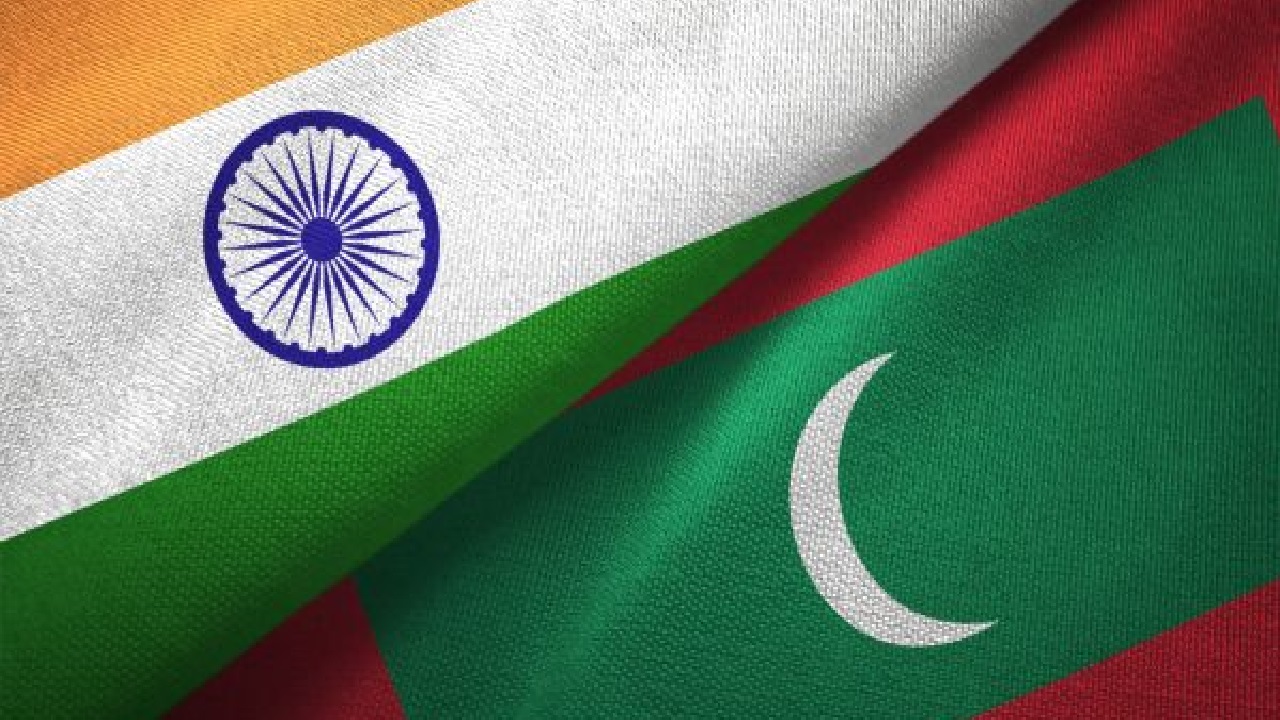
In a notable regional shift, Bangladesh and Maldives have stepped up outreach to India, signalling a pragmatic recalibration of ties amid mounting global uncertainty. What began as phases of political distancing and “India Out” rhetoric is now giving way to renewed engagement driven by immediate economic and energy needs. The unfolding crisis triggered by the Iran war has accelerated this shift, pushing regional actors to prioritise proximity and reliability over political posturing.
Energy Shock and Strategic Realignment
The Iran war has unleashed a cascading energy crisis, disrupting global oil flows and exposing the vulnerabilities of import-dependent economies across South Asia. For India’s neighbours, the shock has been particularly severe, given their limited domestic energy resources and heavy reliance on external suppliers. As supply chains falter and prices surge, geography has reasserted itself as the defining factor in regional cooperation. India’s location, infrastructure, and capacity to respond swiftly have made it the natural anchor for energy stability in the neighbourhood.
Bangladesh: From Friction to Functional Cooperation
Bangladesh’s recent outreach reflects the urgency of its domestic situation. With overwhelming dependence on imported oil and gas, the country has faced widespread power outages and industrial disruptions. Turning to India through the Bangladesh–India Friendship Pipeline, Dhaka has secured critical diesel supplies, marking a shift from earlier tensions to functional cooperation. This move goes beyond short-term relief—it signals a broader recognition that India offers the most viable and immediate pathway to energy security and supply diversification.
Maldives: Rhetoric Meets Reality
The Maldives presents a compelling case of geopolitical recalibration. Under Mohamed Muizzu, the “India Out” campaign once defined national politics, accompanied by a pivot toward China. However, the ongoing energy crisis and disruptions linked to the Iran conflict have exposed structural vulnerabilities in Male’s economic model. With tourism at stake and logistics strained, the Maldives has quietly resumed coordination with India on fuel and supply chains. The shift underscores a stark reality: strategic autonomy has limits when geography constrains options.
Sri Lanka: A Familiar Dependence
Sri Lanka, still recovering from its 2022 economic collapse, finds itself once again grappling with energy insecurity. Limited reserves and rising import costs have forced price hikes, reviving memories of past instability. Despite its engagement with China, Sri Lanka’s reliance on India for emergency support, logistics, and regional stability remains deeply embedded. The current crisis reinforces India’s role as an indispensable partner in Colombo’s economic recovery and energy planning.
The Regional Pattern: Geography Over Politics
Across South Asia, a clear pattern is emerging: political rhetoric against India tends to dissipate under the pressure of economic crises. India’s consistent diplomatic engagement, combined with tangible infrastructure such as pipelines and maritime connectivity, has positioned it as the default provider of crisis support. The “Neighbourhood First” approach is proving effective not through grand declarations, but through dependable delivery in times of need.
India as the Region’s Energy Anchor
The Iran war and its ripple effects have underscored a fundamental truth—geography cannot be wished away. For South Asia, India’s centrality is not merely political but structural, rooted in proximity, capacity, and connectivity. As neighbouring countries recalibrate their strategies, India’s role as the region’s energy stabiliser is becoming increasingly entrenched. In a world of shifting alliances and volatile markets, it is geography—not rhetoric—that ultimately determines resilience and alignment.