A Historic Victory Amidst Political Turmoil
On June 3, 2025, South Korea witnessed a significant political shift as Lee Jae-myung, representing the liberal Democratic Party, secured the presidency with 49.4% of the vote, defeating conservative rival Kim Moon-soo. This election followed the ousting of President Yoon Suk Yeol, who faced backlash over his imposition of martial law. Lee’s triumph not only marked a personal milestone but also signaled a public desire for democratic restoration and political stability.
From Humble Beginnings to Political Prominence
Lee’s life story is one of resilience and determination. Born into poverty, he worked in factories during his youth and overcame a severe arm injury. Transitioning from a human rights lawyer to the mayor of Seongnam and then governor of Gyeonggi Province, Lee built a reputation for his populist approach and commitment to social welfare. His ascent to the presidency embodies a narrative of overcoming adversity and championing the underprivileged.
Navigating Legal Challenges
Despite his electoral success, Lee’s presidency is overshadowed by ongoing legal issues. He faces five criminal trials, including allegations of election law violations, corruption, and misuse of public funds. While the South Korean Constitution grants sitting presidents’ immunity from prosecution, the applicability of this protection to pre-election cases remains uncertain. These legal entanglements pose potential risks to his administration’s credibility and effectiveness.
Economic Pressures and International Trade Relations
South Korea’s export-driven economy faces significant challenges, particularly due to the U.S. administration’s imposition of 25% tariffs on steel and aluminum imports. Lee has emphasized the urgency of renegotiating trade terms with the U.S. to mitigate economic repercussions. His administration must balance protecting domestic industries while maintaining strong international trade partnerships.
Diplomatic Balancing Act: U.S., China, and North Korea
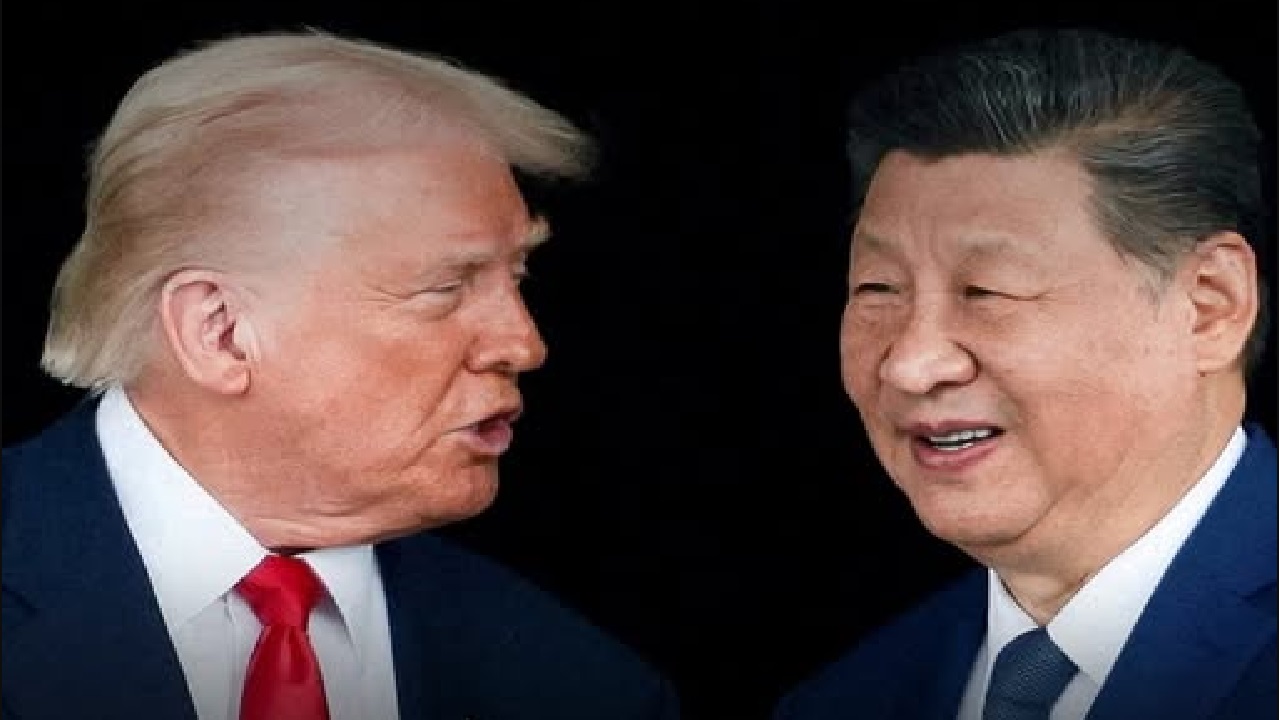
Lee’s foreign policy approach involves strengthening alliances with the U.S. and Japan while pursuing diplomatic engagement with North Korea. He advocates for dialogue with Pyongyang to address nuclear tensions, emphasizing that “peace is always cheaper than war.” Simultaneously, Lee aims to stabilize relations with China, South Korea’s largest trading partner, navigating the complexities of regional geopolitics.
Domestic Reforms and Social Challenges
Domestically, Lee confronts issues such as economic inequality, a declining birth rate, and public distrust in political institutions. He has pledged to implement policies that promote social welfare, economic revitalization, and democratic reforms. However, achieving these goals requires overcoming deep-seated political polarization and restoring public confidence in governance.
A Presidency Poised at a Crossroads
Lee Jae-myung’s presidency begins at a critical juncture for South Korea, marked by internal divisions and external pressures. His personal journey from adversity to leadership resonates with many citizens’ aspirations for change. However, the success of his administration will depend on his ability to navigate legal challenges, implement effective domestic reforms, and maintain balanced international relations. As South Korea stands at this crossroads, Lee’s leadership will be pivotal in shaping the nation’s future trajectory.
(With agency inputs)