A Battle Over Trust and Public Health
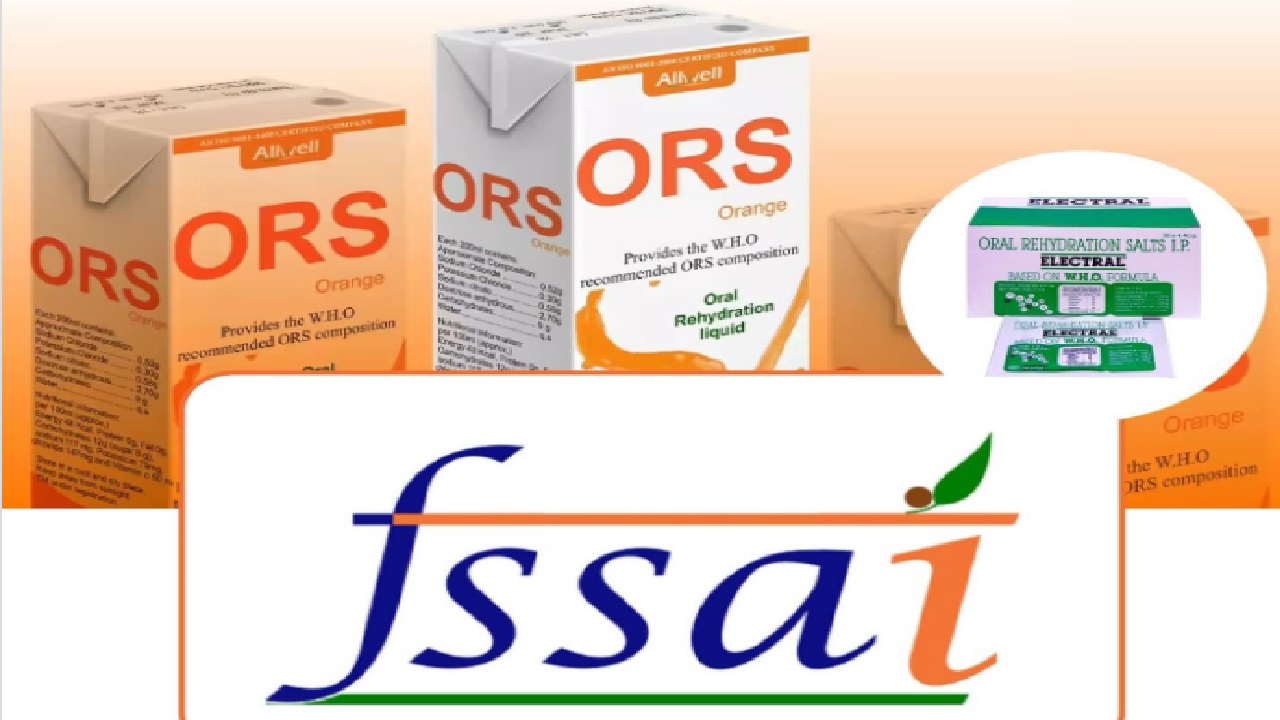
India’s food regulatory landscape is witnessing a decisive intervention as the Food Safety and Standards Authority of India (FSSAI) moves to eliminate misleading “ORS” labels from consumer beverages. The directive, issued on November 19, 2025, orders the immediate nationwide withdrawal of fruit-based drinks, electrolyte beverages, and ready-to-serve products falsely marketed as Oral Rehydration Solution. At the heart of the controversy lies a conflict between commercial branding and the integrity of lifesaving medical terminology—one that has pushed regulators to step in with unprecedented clarity and urgency.
Misuse of a Medically Critical Term
The crux of the regulatory dispute is the improper use of the term “ORS,” which is internationally reserved for a specific World Health Organization–endorsed formulation. True ORS is a scientifically balanced mix of glucose and electrolytes meant to treat dehydration, especially during diarrheal illnesses. However, a proliferation of beverages—ranging from flavored electrolytes to fruit juices—had begun adopting the “ORS” tag to imply therapeutic benefits they do not possess.
Despite earlier warnings, many companies continued to capitalize on the credibility attached to the term. Online marketplaces and aggressive advertising further amplified this misuse, creating confusion among consumers, particularly parents seeking medically effective hydration solutions for children. Compounding the risk, these drinks often contain high sugar levels and lack the precise electrolyte ratio necessary for treating dehydration, potentially endangering vulnerable patients who rely on genuine ORS.
FSSAI’s Enforcement: Scope and Safeguards
In response, FSSAI has rolled out a sweeping enforcement plan. Food safety officers across states and union territories have been directed to inspect retail outlets, pharmacies, supermarkets, and e-commerce platforms to identify and immediately remove any product using “ORS” on packaging, trademarks, or promotional material. Violations will trigger withdrawals, penalties, and possible prosecutions under the Food Safety and Standards Act, 2006.
Notably, the regulator clarified that authentic, WHO-compliant ORS is classified as a drug—outside FSSAI’s jurisdiction—and must not be targeted during enforcement. This safeguard ensures that essential medical products remain available while preventing accidental seizure of legitimate formulations.
Industry Impact and Public Health Implications
Consumer advocacy groups have long warned of the dangers of misleading labels, and this crackdown marks a significant regulatory response to their concerns. Food companies will now be compelled to rebrand, reformulate, or reclassify their products to comply with labelling standards and avoid unsubstantiated health claims. Retailers, too, must rapidly delist non-compliant products to prevent further public confusion.
Restoring Integrity in Medical Labelling
The FSSAI’s decisive action reinforces the principle that medical terminology cannot be diluted for commercial gain. By protecting the sanctity of the “ORS” label, the regulator aims to preserve consumer trust, safeguard vulnerable populations, and ensure that only scientifically validated products claim therapeutic value. This intervention marks an important step toward strengthening public health safeguards and upholding regulatory integrity in India’s fast-evolving food and beverage market.
(With agency inputs)