Ceasefire Dreams Amidst Endless War
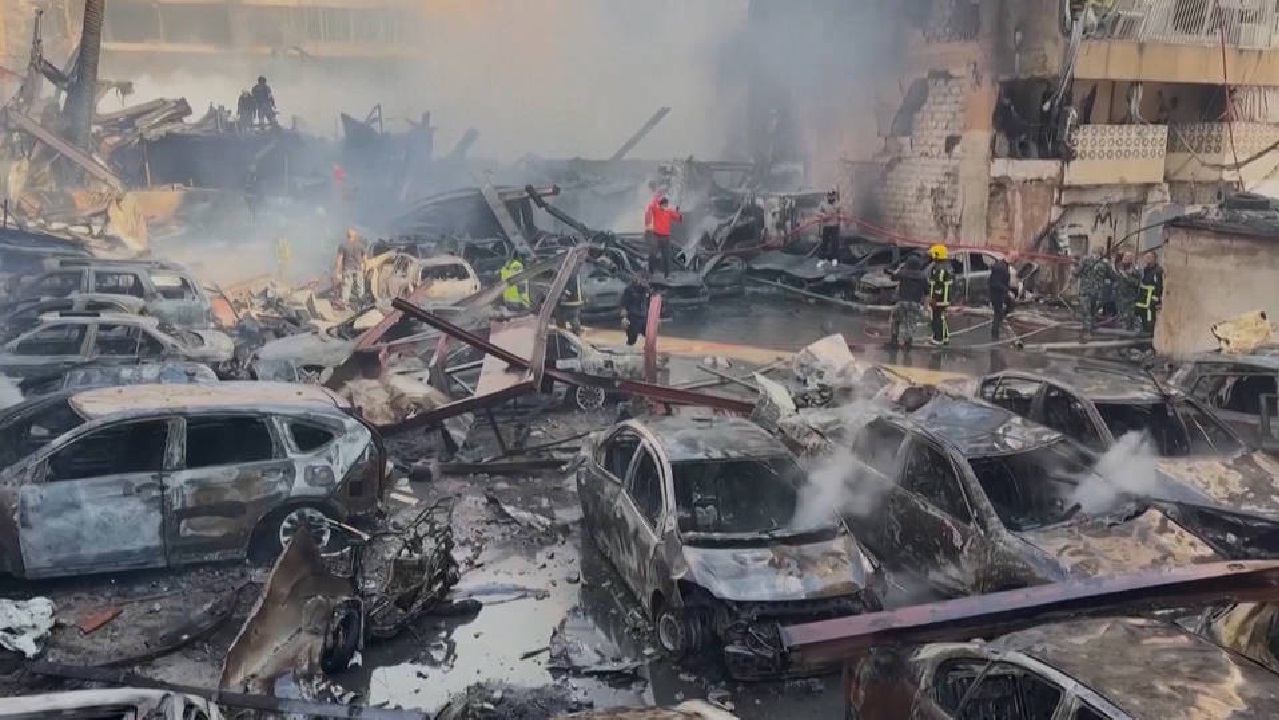
As the Israel-Hamas war drags into its second year, the world continues to watch with bated breath. Despite global calls for peace, diplomatic breakthroughs have remained elusive. The conflict, which erupted in October 2023 after Hamas launched a deadly surprise attack on southern Israel, has since spiraled into one of the deadliest and most prolonged confrontations in the region’s history. Over 57,000 Palestinians have been killed, much of Gaza lies in ruins, and a humanitarian crisis continues to unfold.
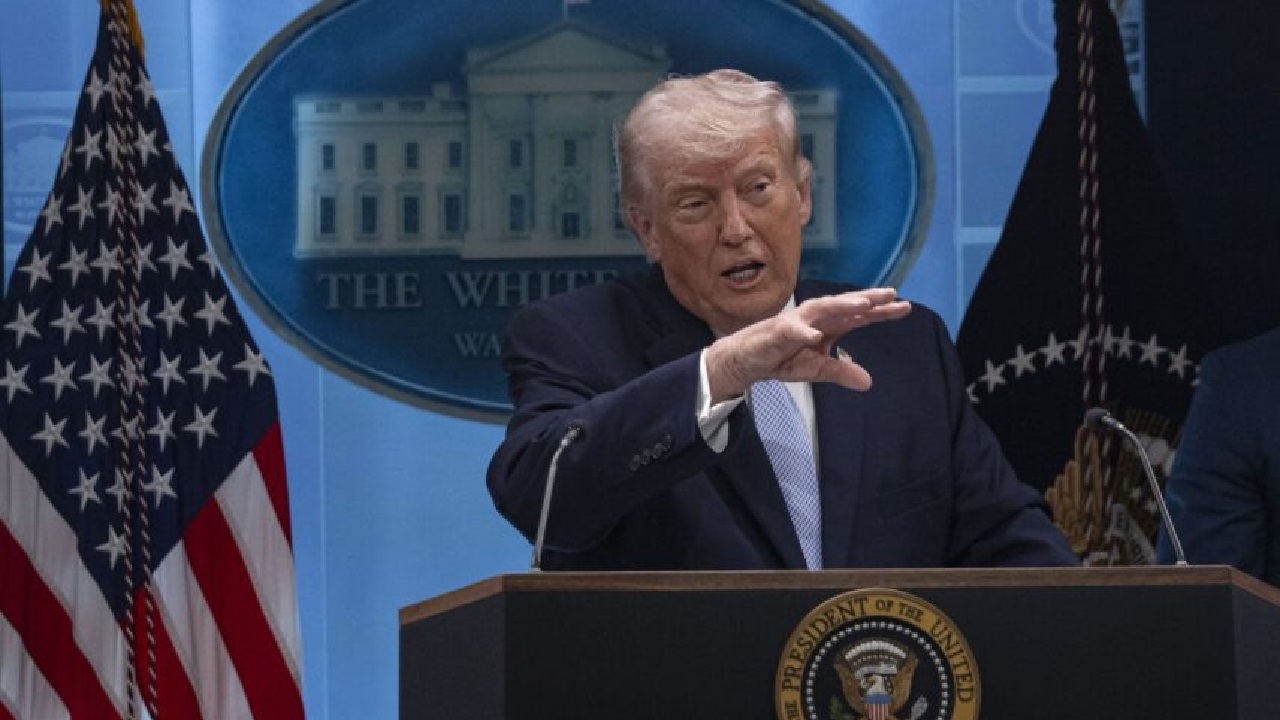
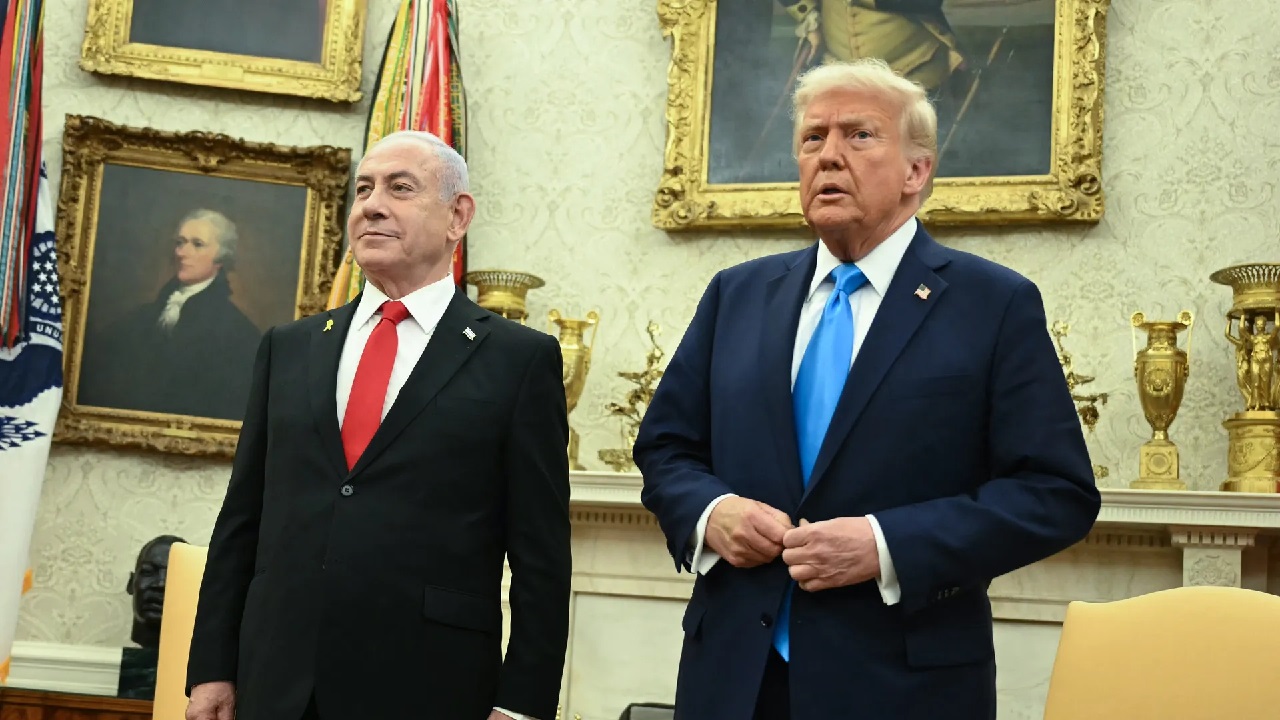
Now, as ceasefire negotiations gather pace, Israeli Prime Minister Benjamin Netanyahu has intensified talks with U.S. President Donald Trump, focusing on two core priorities: securing the release of hostages still held in Gaza and exploring a potential ceasefire with Hamas. The stakes couldn’t be higher — for Israel, for Palestine, and for the broader Middle East.
Netanyahu Meets Trump: Hostages and Hamas Dominate Agenda
During his third visit to the U.S. since Trump returned to office in January 2025, Netanyahu emphasized that freeing Israeli hostages held in Gaza remains his government’s top concern. In a statement on X (formerly Twitter), Netanyahu said his meetings with Trump revolved around both the fate of the hostages and the broader goal of dismantling Hamas’ military and governmental infrastructure.
Trump, in turn, has made renewed Middle East diplomacy a hallmark of his second term. His administration is working with mediators, particularly from Qatar, to bridge the widening gap between Israel and Hamas. According to Axios, Qatari envoys met with senior U.S. officials just before Netanyahu’s arrival, signaling a coordinated push toward a possible resolution.
Hope on the Horizon: Ceasefire Talks Gain Momentum
Encouragingly, Trump’s Middle East envoy, Steve Witkoff, offered a rare glimmer of optimism. Speaking at a Cabinet meeting, Witkoff revealed that outstanding issues between Israel and Hamas had been reduced from four to just one. He expressed confidence that a temporary ceasefire agreement could be finalized within the week.
According to Witkoff, the proposed deal would involve a 60-day ceasefire, during which ten living hostages and the remains of nine others would be released. While the deal is far from finalized, the narrowing of negotiating gaps marks significant progress after months of stalled diplomacy.
Challenges on the Ground: A Complex Political Landscape
Still, Netanyahu made it clear that Israel’s broader military campaign in Gaza is far from over. After meetings with U.S. lawmakers, including Vice President JD Vance and House Speaker Mike Johnson, Netanyahu said, “We still have to finish the job in Gaza — release all our hostages and eliminate Hamas’ capabilities.”
His remarks underscore the major hurdle in ceasefire negotiations: Israel refuses to end hostilities without total dismantling of Hamas, while Hamas continues to demand a permanent ceasefire before any further hostage releases. This fundamental deadlock has derailed previous peace attempts and could again undermine any deal unless both sides shift their red lines.
Meanwhile, Netanyahu continues to court international support. He voiced ambitions to expand the Abraham Accords, the series of normalization agreements Israel signed with several Arab states in 2020. “We are working on this with full vigour,” he said, hinting that regional normalization remains part of Israel’s long-term strategy, even amid war.
The Human Cost: Gaza’s Ongoing Devastation
The humanitarian crisis in Gaza is staggering. The Israeli air and ground campaign has killed over 57,000 Palestinians, according to Gaza’s health ministry. Entire neighborhoods have been flattened, and the United Nations estimates that more than half of Gaza’s population has been displaced, with nearly half a million people facing imminent famine.
Despite these grim numbers, hostilities persist, driven by political calculations, vengeance, and conflicting national narratives. Around 50 hostages remain in Gaza, with only 20 believed to be alive, according to Israeli sources. The fate of these individuals continues to weigh heavily on Israeli society and politics — and fuels ongoing military operations.
Diplomacy’s Narrow Window of Opportunity
The Netanyahu-Trump meetings represent a pivotal moment in the Israel-Hamas conflict. For perhaps the first time in months, there is credible talk of a ceasefire deal, even if temporary, that could offer relief to civilians and potentially open the door to further diplomacy.
But the path forward is fragile. With mutual distrust high, and political pressures rising in both Jerusalem and Gaza, even a 60-day ceasefire would be a diplomatic feat. Yet if successful, it could mark the first real step toward ending a war that has inflicted unbearable costs on both sides.
The coming days will be crucial. Whether pragmatism or hardline positions prevail will determine not only the fate of remaining hostages, but also the lives of millions trapped in a cycle of violence, displacement, and despair.
(With agency inputs)