India Set to Introduce Western Australian Curriculum in 100 Schools Nationwide
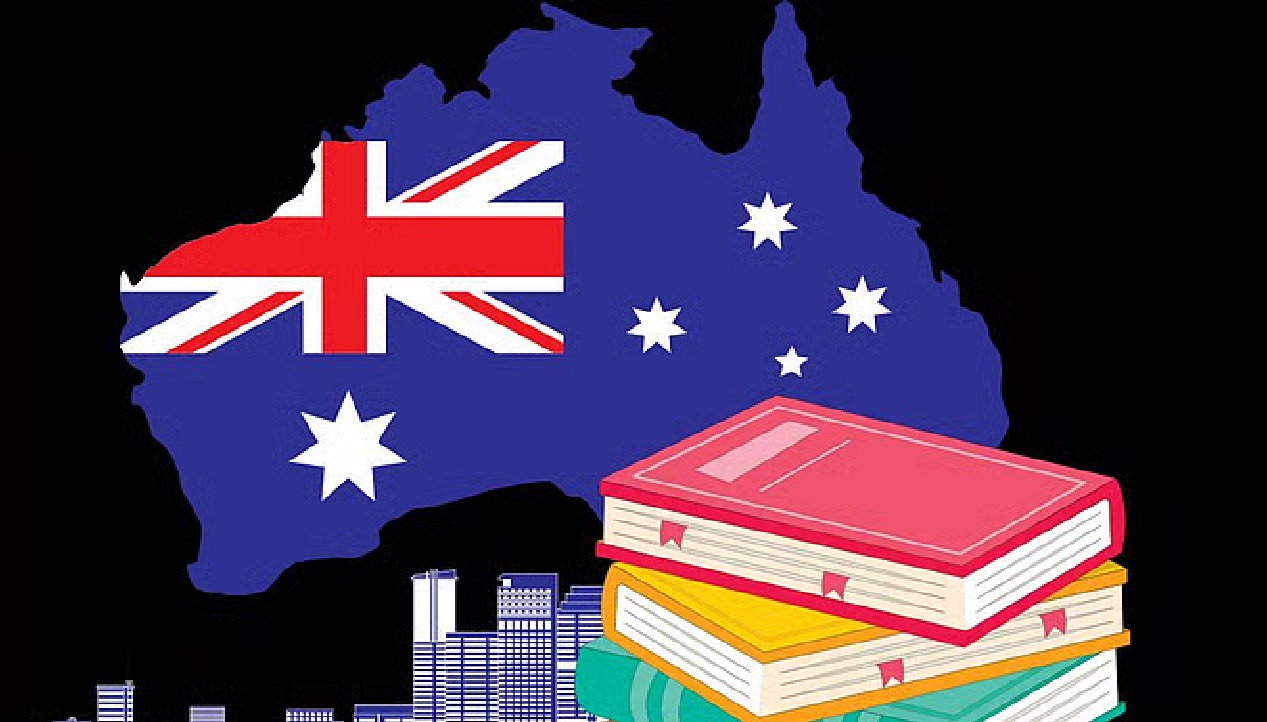
In a major shift towards globalised education, India is preparing to roll out the Western Australian Certificate of Education (WACE) in 100 partner schools across the country over the next three years. Backed by the Government of Western Australia and already adopted in countries like Singapore, Japan, China, and Malaysia, WACE marks the first time a foreign government school board has received official sanction to operate in India.
The initiative follows a landmark decision by the Association of Indian Universities (AIU) to grant equivalence to the WACE curriculum—making it formally recognised for university admissions in India. This aligns closely with the goals of India’s National Education Policy (NEP) 2020, which seeks to modernise education through global exposure, competency-based learning, and formative assessment.
WACE: What It Means for Indian Students
The WACE curriculum goes beyond traditional rote-based learning. Designed around competency, inquiry, and critical thinking, it offers a fresh alternative to India’s conventional exam-centric systems. Students will be assessed through project work, school-based evaluation, and moderated grading, in line with NEP’s push for holistic education.
Each enrolled student will be registered with the School Curriculum and Standards Authority (SCSA) in Western Australia and will receive certificates issued directly by the Australian government. Importantly, successful students will also earn an Australian Tertiary Admission Rank (ATAR)—a globally recognised university entrance score accepted by top institutions in the US, UK, Canada, Europe, and Asia.
Strategic Significance: Why This Move Matters
This isn’t just about importing a curriculum—it’s about reshaping the very structure and ambition of Indian schooling. WACE provides an internationally benchmarked K-12 pathway that could challenge dominant global players like the International Baccalaureate (IB) and Cambridge International (CIE), already present in elite Indian schools.
Unlike these private boards, however, WACE brings the legitimacy of state governance—a critical differentiator that may make it more accessible and scalable within India’s diverse school ecosystem.
A Step Toward Educational Diplomacy
The move also signals a deeper educational partnership between India and Australia, enhancing cultural and academic exchange. For Indian students, it opens a dual gateway—to both Indian and global universities—without compromising on national equivalence standards.
By combining international quality with local relevance, the WACE launch could mark the start of a new era in Indian education—one where global readiness begins right at home.
(With agency inputs)