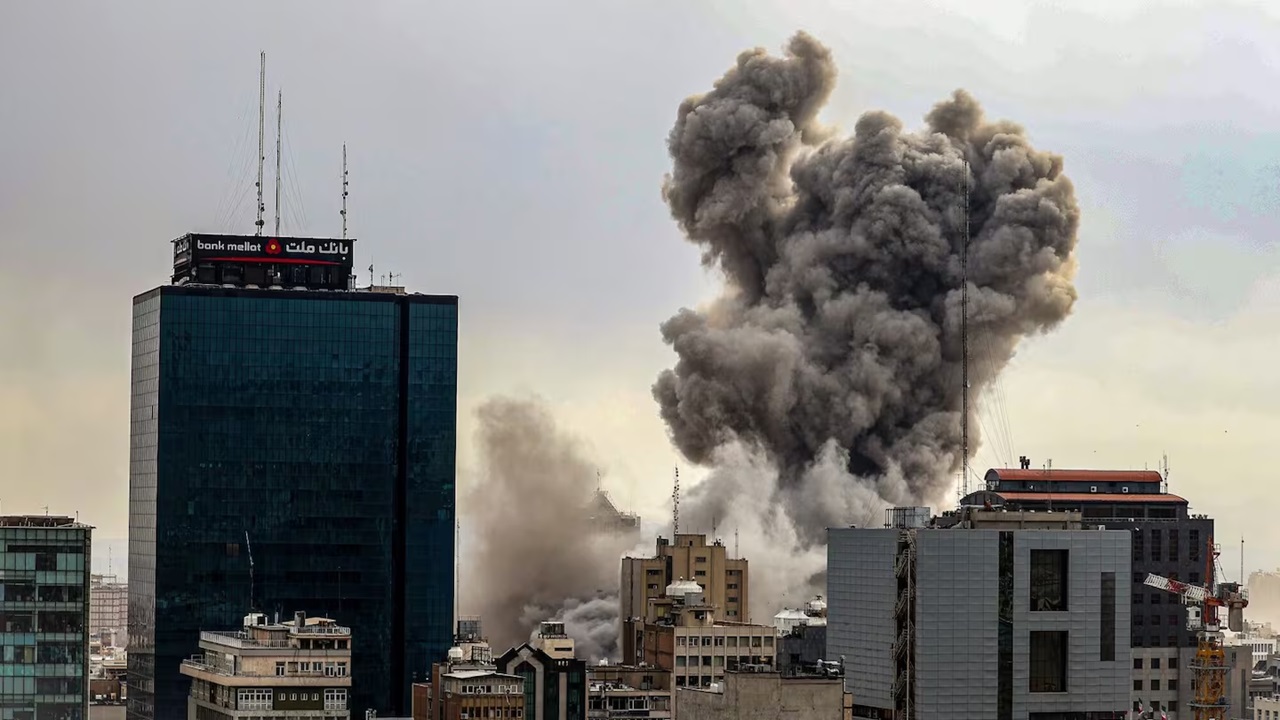
A Region on Edge: War Enters Day Four
The Iran–US–Israel war, now in its fourth day since February 28, 2026, has rapidly transformed into one of the most volatile Middle East confrontations in decades. The conflict began when the United States and Israel launched coordinated airstrikes on Iranian military infrastructure, nuclear facilities, and senior leadership under “Operation Epic Fury” and “Operation Roaring Lion.” The strikes reportedly killed Iran’s Supreme Leader, Ali Khamenei, alongside several top commanders, in what analysts describe as a direct attempt to destabilize Tehran’s regime.
Iran responded with sweeping retaliation, unleashing over 390 missiles and 830 drones across the Gulf. Targets included US military installations and allied territories in Saudi Arabia, the UAE, Qatar, Bahrain, Kuwait, and Oman. By March 3, the United States Central Command confirmed six American service members killed. Gulf air defenses intercepted most incoming projectiles, but the message from Tehran was unmistakable: the conflict would not remain confined to Iranian soil.
Drone Strike on the US Embassy in Riyadh
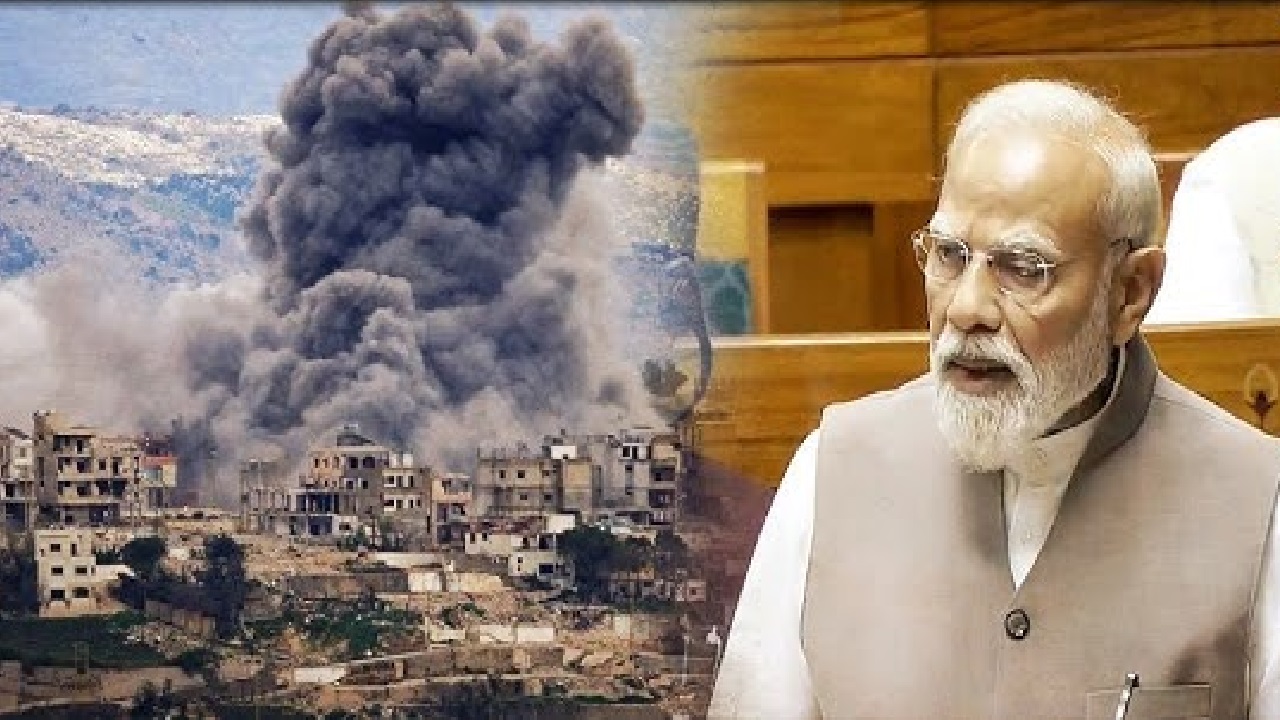
On the night of March 2 (early March 3 local time), two suspected Iranian drones struck the US Embassy compound in Riyadh’s Diplomatic Quarter. The blast caused minor structural damage, a brief fire, and thick plumes of smoke. Fortunately, the building was empty at the time and no casualties were reported. Saudi authorities confirmed that four additional drones targeting the area were intercepted.
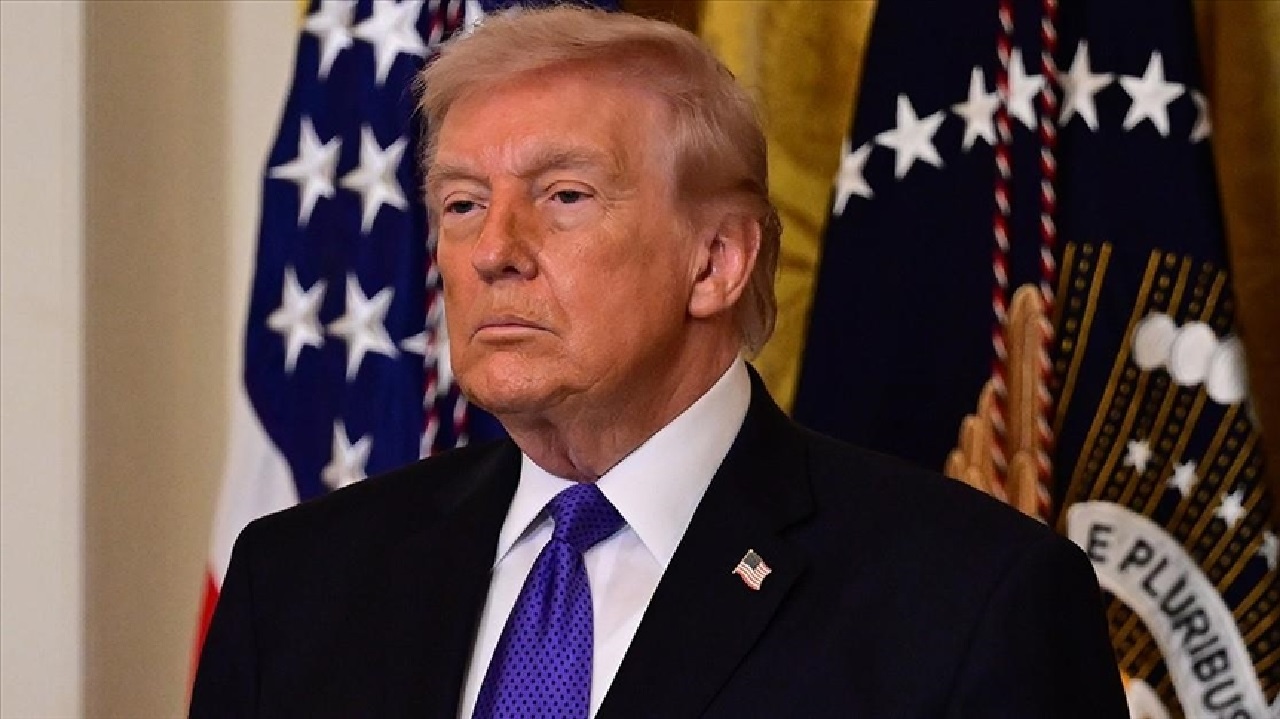
The incident marks a symbolic escalation. Embassies represent sovereign presence abroad; targeting one underscores Iran’s willingness to confront American interests directly. US President Donald Trump vowed retaliation, promising further details soon.
Heightened Security and Regional Advisories
Following the attack, the US Mission in Saudi Arabia issued a shelter-in-place directive for American citizens in Riyadh, Jeddah, and Dhahran. Consular services were suspended, and travel near military facilities was restricted. The advisory reflects broader regional anxiety, particularly as Iran deploys Shahed-136 drones—low-cost, high-volume weapons designed to overwhelm air defense systems.
Gulf states have tightened security around energy infrastructure, including strategic facilities such as Ras Tanura in Saudi Arabia. Joint condemnations from Gulf governments signal a tightening alignment with Washington and Tel Aviv, potentially reshaping regional alliances for years.
Severe Impact on Indian Nationals in the Gulf
For India, the fallout is immediate and deeply personal. Between 8 to 10 million Indians live across the Gulf, including 4.3 million in the UAE alone. Airspace closures in the UAE, Saudi Arabia, Qatar, and neighboring states have led to the cancellation of more than 1,117 flights since February 28. Thousands of Indians—workers, tourists, and students—remain stranded at airports in Dubai and Abu Dhabi.
Airlines such as IndiGo, Air India, and SpiceJet have suspended operations. SpiceJet launched four special flights on March 3 from Fujairah to Delhi, Mumbai (two flights), and Kochi, with additional evacuations planned and partial restoration of routes expected by March 4. The Indian government has activated crisis mechanisms and coordinated closely with embassies to assist affected citizens.
The economic implications are equally grave. Indians dominate sectors like construction, retail, hospitality, and logistics—industries typically hit first during instability. With remittances from the Gulf exceeding $100 billion annually, prolonged disruption could severely impact Indian states such as Kerala, Maharashtra, and Uttar Pradesh.
Broader Geopolitical Consequences
Iran’s retaliatory strategy—leveraging inexpensive drones to target high-value symbolic sites—demonstrates asymmetric resilience despite heavy losses. Meanwhile, US electronic jamming operations and continued strikes suggest this war may extend for weeks. Oil prices have already surged, reflecting fears over supply disruptions in the energy-rich corridor.
India faces a delicate diplomatic balancing act: maintaining ties with Iran for energy imports, safeguarding its vast Gulf diaspora, and preserving its strategic partnership with the United States.
A Conflict with Global Repercussions
The drone strike on the US Embassy in Riyadh is more than an isolated incident—it is a warning of a widening war that threatens regional stability and global economic equilibrium. As missile exchanges intensify and alliances harden, millions of civilians—including a vast Indian diaspora—remain exposed to uncertainty. The coming days will determine whether diplomatic channels can restrain escalation or whether the Middle East enters a prolonged and deeply destabilizing confrontation.
(With agency inputs)