A Conflict with No End in Sight
As the war between Israel and Hamas drags on, the humanitarian cost continues to rise, and diplomatic solutions remain elusive. What began as a military retaliation has evolved into one of the deadliest and most controversial phases of the conflict in recent history. At the heart of the latest escalation is Bashar Thabet, a senior Hamas commander, killed in an Israeli airstrike, marking a significant military milestone for Israel but also intensifying the human suffering in Gaza.
The crisis, however, extends far beyond the battlefield. With growing allegations of “weaponised hunger”, blockaded aid, and widespread civilian casualties, global scrutiny of Israel’s military campaign has intensified. As both sides harden their positions, civilians—especially in Gaza—are caught in a worsening humanitarian nightmare.
IDF Strikes and the Elimination of Bashar Thabet
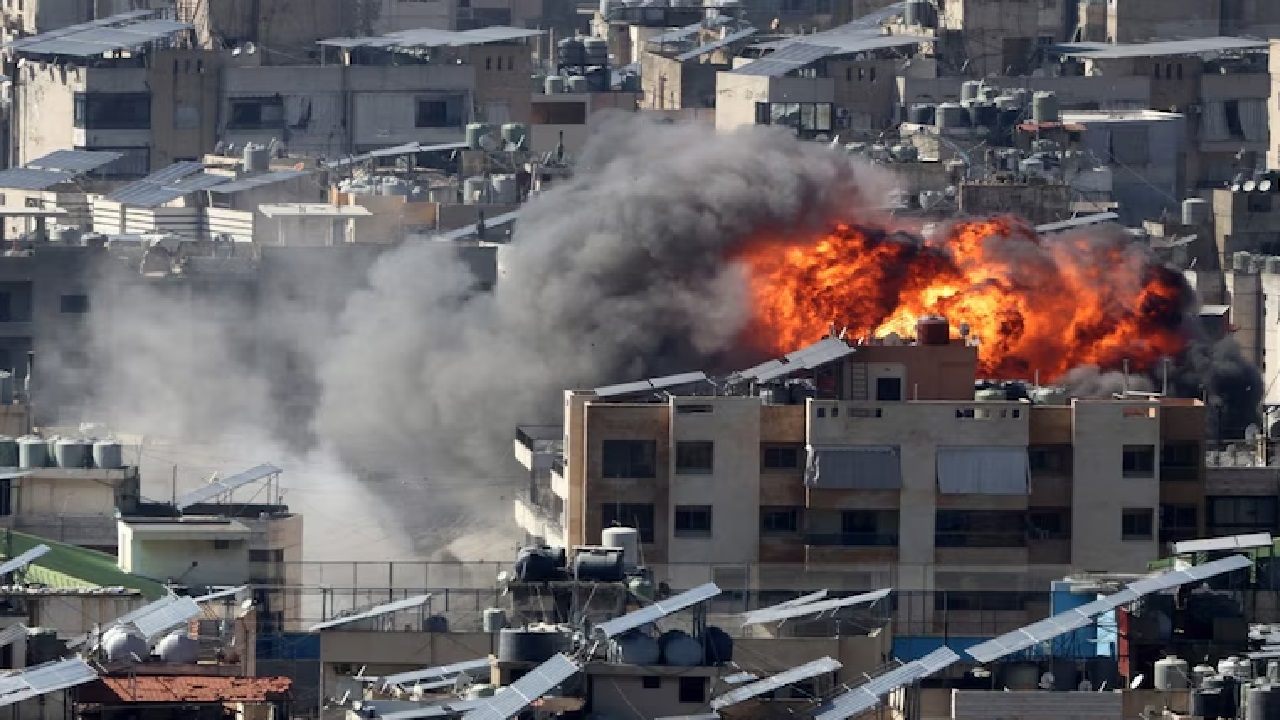
On Sunday, the Israel Defence Forces (IDF) confirmed the killing of Bashar Thabet, a high-ranking official in Hamas’ weapons development and research division. His death came during a wave of coordinated airstrikes, targeting what Israel describes as critical terrorist infrastructure, including tunnel shafts, weapons manufacturing sites, and military compounds.
The Israeli Air Force (IAF) reportedly struck 75 targets across Gaza, dismantling underground networks and engaging militant cells poised to launch attacks. “We have located and neutralised a significant portion of Hamas’ military infrastructure,” the IDF stated, presenting the operations as a necessary defense against ongoing threats.
Mounting Civilian Toll and Worsening Humanitarian Crisis
Despite Israel’s stated aim of neutralizing militant capabilities, the civilian toll continues to grow. According to the Gaza Health Ministry, 115 Palestinians were killed in 24 hours, including 92 individuals reportedly seeking aid and two civil defense workers. Another 18 people died from starvation, underscoring the devastating impact of famine in the besieged enclave.
Food, water, and medical supplies have become increasingly scarce as Israel’s blockade cuts off vital lifelines. Over 200 people have been wounded, many of them non-combatants, raising grave concerns among international observers and humanitarian organizations.
In an alarming move, Israel blocked the visa extension for the head of the UN Office for the Coordination of Humanitarian Affairs (OCHA) in Gaza. The decision came after the official testified that Israel was using starvation as a tactic of war, a statement Israeli officials vehemently denied but which added fuel to mounting global criticism.
Warnings, Evacuations, and Growing Fear
Amid expanding ground operations, the Israeli military has dropped leaflets over Deir el-Balah, urging civilians to evacuate immediately. At the same time, Israeli commanders toured war-ravaged areas such as Shujayea, signaling their intent to press forward despite the civilian exodus.
In the occupied West Bank, tensions are also escalating. Palestinian residents have accused Israeli settlers of sabotaging water supplies, further deteriorating living conditions and displacing families. The ripple effects of the Gaza war are now being felt across broader Palestinian territories, adding complexity to the already fragile situation.
Regional and Global Outcry
The response from the international community has been sharp. Mass protests erupted in Turkey, Iraq, Tunisia, Lebanon, Morocco, and Ramallah, with demonstrators denouncing the Israeli military campaign and expressing solidarity with the Palestinian people. Human rights groups have warned of irreversible damage if the blockade continues and aid access is not restored.
Despite this, Israel’s government, led by figures like Foreign Minister Gideon Saar, remains firm in its stance, emphasizing national security while dismissing foreign criticism.
A War of Attrition with a High Human Cost
The death of Bashar Thabet may mark a tactical win for Israel, but it does little to advance the prospects of peace. As the conflict escalates, the humanitarian disaster in Gaza grows more severe, with starvation, displacement, and death mounting by the day. The use of military force to suppress Hamas has come at a staggering cost to ordinary civilians, whose suffering is becoming the defining image of this war.
If this cycle is to end, it will require international intervention, humanitarian corridors, and a renewed commitment to dialogue. Until then, both the battleground and the human toll are likely to expand — leaving behind a trail of destruction that neither side can claim as victory.
(With agency inputs)